Elon Musk provides best cure for neck, back pain
Tesla CEO Musk posts cure for severe neck, back pain on X
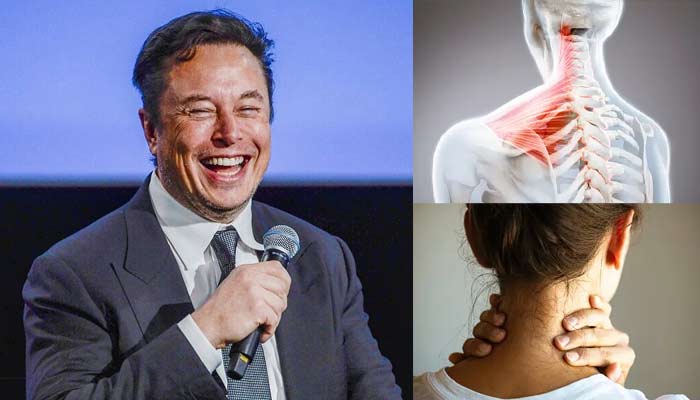
Billionaire Elon Musk stated Tuesday that patients with significant neck or back pain might find that disc replacement surgery changes everything.
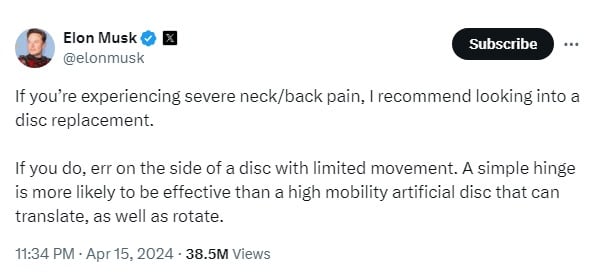
"If you’re experiencing severe neck/back pain, I recommend looking into a disc replacement," Musk shared in a post on X, formerly known as Twitter.
"If you do, err on the side of a disc with limited movement. A simple hinge is more likely to be effective than a high mobility artificial disc that can translate, as well as rotate," the 52-year-old added.
The CEO of SpaceX and Tesla said that disc replacement had assisted in lowering his pain threshold, which can vary from minor aches and pains to excruciating, incapacitating suffering, according to THIP.
"It’s a game-changer. Took my pain level from 7 to 9 out of 10 to 1 to 4," the founder of the Boring company said.
Most patients undergoing disc replacement surgery have severe back pain (lumbar disc) and neck pain (cervical disc).
During the procedure, the damaged disc tissue is removed, and an artificial disc implant is placed.
The artificial disc, which is firmly attached to the surrounding vertebral bones and allows for natural spinal motion, is composed of surgical metals (such as titanium or surgical stainless steel) and specialist plastic bearings.
Disclaimer: This may not work for everyone. Consult your doctor before trying this out.


-
 Vance’s fraud crackdown may raise health insurance costs for Americans
 -
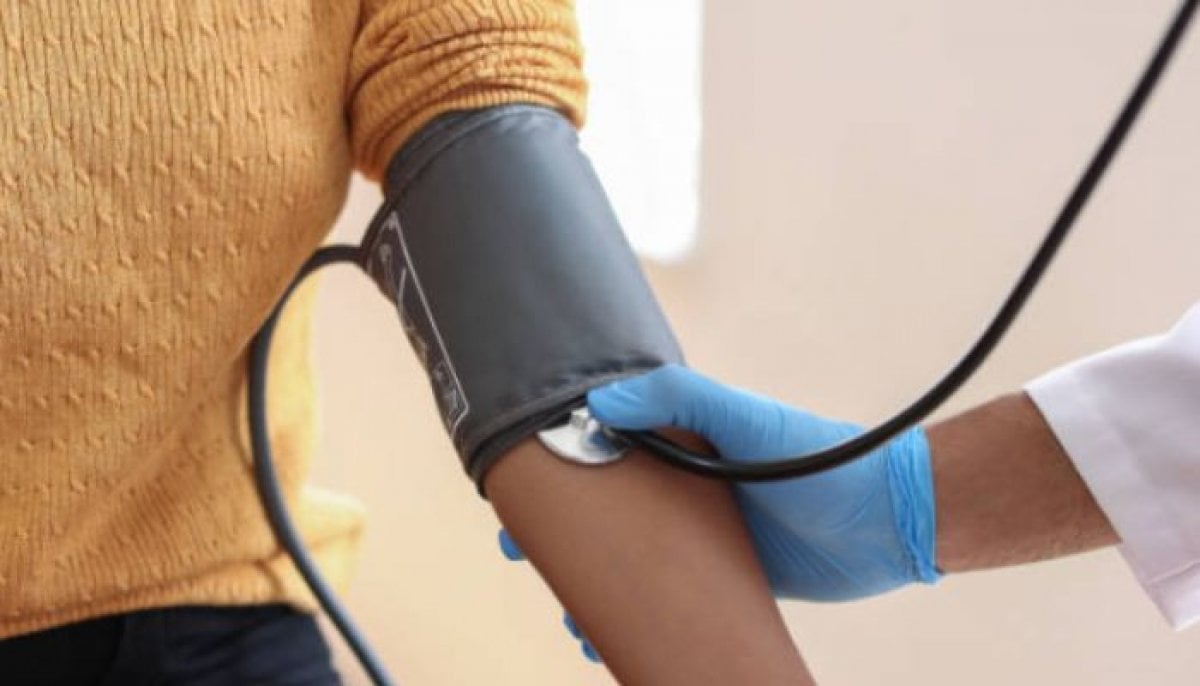 One common mistake elevates blood pressure readings by 7 points, study warns
 -
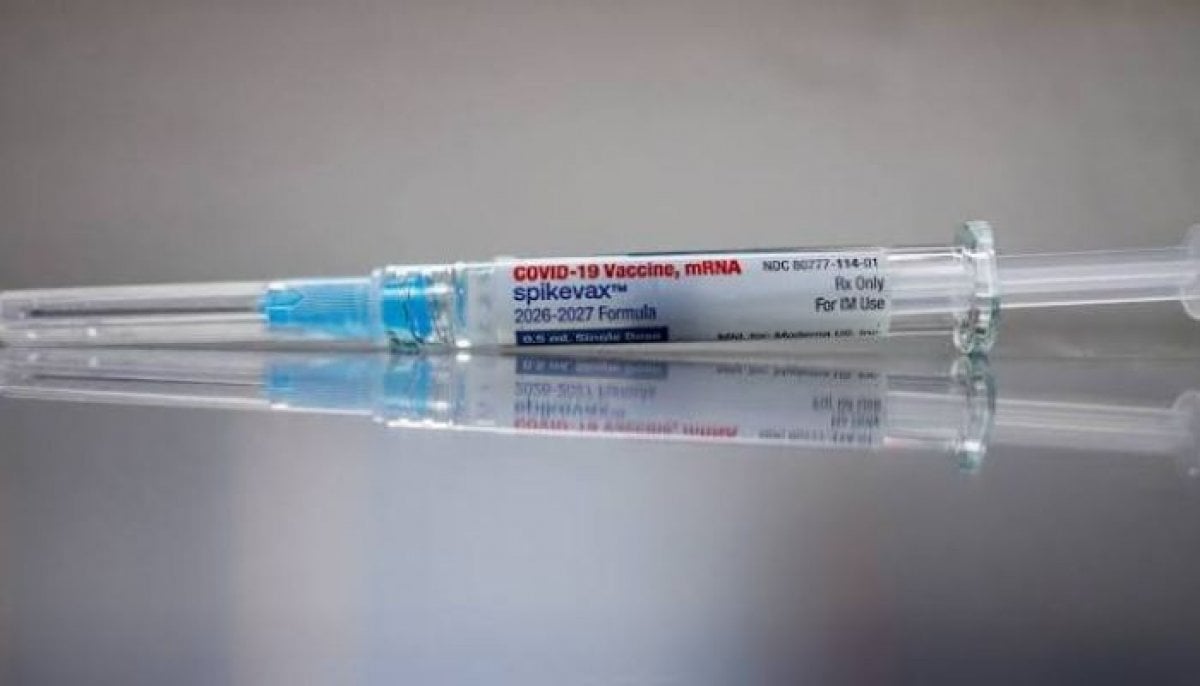 Moderna loses US government license defense in patent case
 -
 Novo says new Ozempic shows lower cardiovascular risk compared with Lilly’s Mounjaro
 -
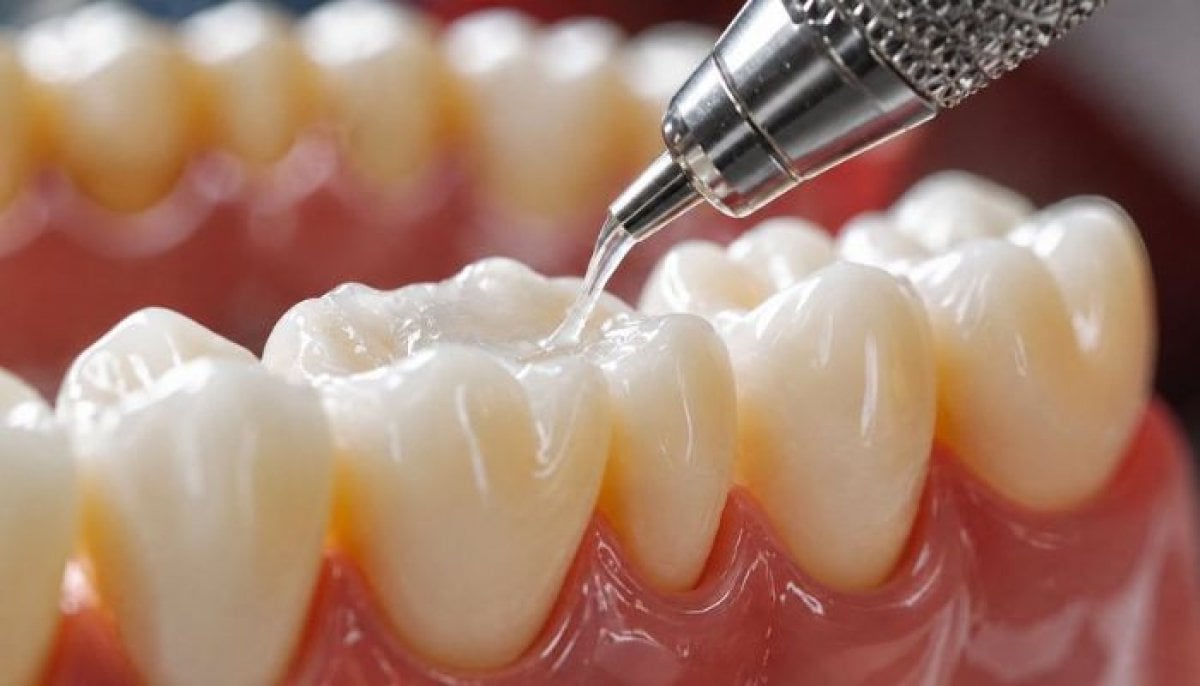 University of Nottingham researchers say new gel could regrow tooth enamel in weeks
 -
 New Chinese drug extends stroke treatment window from hours to 2 days: study finds
 -
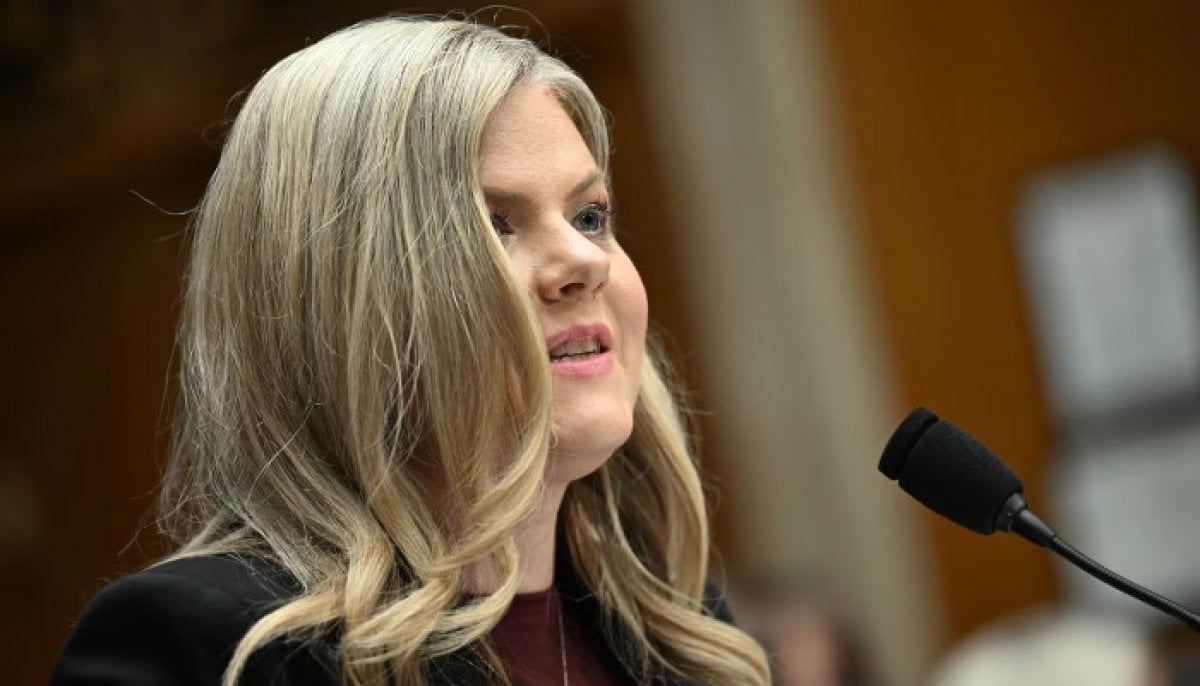 Trump’s FDA nominee Heidi Overton defends vaccines, contradicting his claims
 -
 New once-weekly insulin injection for type 2 diabetes wins FDA approval