Vaccine fighting all viruses finally created
UC Riverside scientists make one-for-all virus vaccine
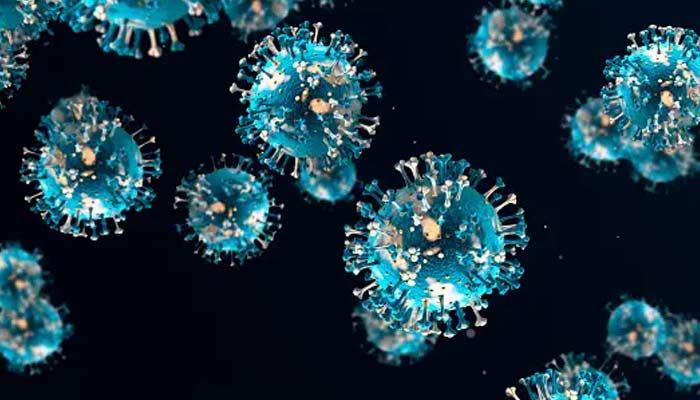
UC Riverside researchers have created a novel vaccine employing RNA, that is safe for use by immunocompromised individuals and effective against all strains of the virus.
Each year, scientists attempt to forecast which four influenza strains will be most common in the forthcoming flu season.
And each year, in the hopes that the experts have created the injection accurately, individuals wait in line to receive their updated vaccination, according to SciTech Daily.
Similarly, Covid vaccines have been redesigned to focus on sub-variants of the most common strains that are now in circulation in the US.
This novel approach targets a portion of the viral genome shared by all virus strains, thus it would not be necessary to produce all these distinct doses.
A report released today in the Proceedings of the National Academy of Sciences describes the vaccine, how it works, and a demonstration of its efficacy in mice.
"What I want to emphasise about this vaccine strategy is that it is broad,” said UCR virologist and paper author Rong Hai.
"It is broadly applicable to any number of viruses, broadly effective against any variant of a virus, and safe for a broad spectrum of people. This could be the universal vaccine that we have been looking for."
Additionally, the researchers say there is little chance of a virus mutating to avoid this vaccination strategy.
"Viruses may mutate in regions not targeted by traditional vaccines. However, we are targeting their whole genome with thousands of small RNAs. They cannot escape this," Hai said.
Moreover, the researchers believe they can “cut and paste” this strategy to make a one-and-done vaccine for any number of viruses.
"There are several well-known human pathogens; dengue, SARS, Covid. They all have similar viral functions," Ding said, adding that "this should be applicable to these viruses in an easy transfer of knowledge."


-
 Virginia Sen. Louise Lucas indicted on racketeering and marijuana charges
 -
 France confirms world's first human case of Shamonda virus; patient dies
 -
 OpenAI agents uncover brain disease leads: Here’s how
 -
 AI tool can now predict cancer survival by a single patient selfie: Find out how
 -
 Scientists identify a new type of depression affecting 1 in 4 patients
 -
 Everything to know about US FDA’s new guidance on apps used with prescription drugs
 -
 ‘Immortal’ jellyfish could hold clues to slowing human ageing
 -
 Ebola crisis worsens in DR Congo as virus reaches eighth province with over 4,500 dead
-
 Study finds eating blueberries every day can surprisingly boost your mood
 -
Eli Lilly’s Foundayo weight-loss pill gets European approval recommendation
-
What is BPC-157? Trump administration considers easing rules on popular peptide injections
-
West Nile virus: Europe reports 141 deaths as human cases rise in 2026