Multivitamin not linked with longevity, suggests new research
Medical experts recommend consumption of variety of nutrient-dense foods over multivitamins for longevity
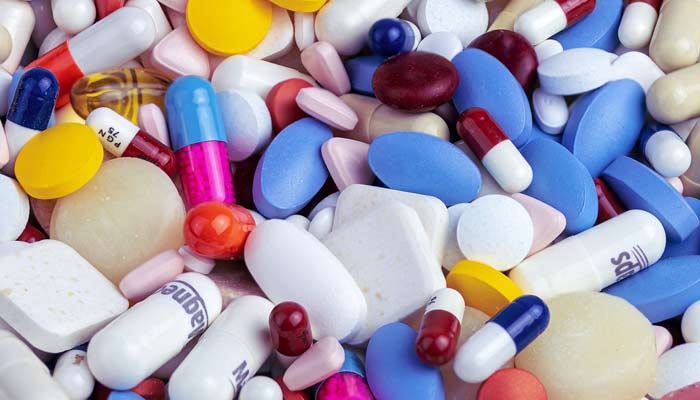
A new research analysing data from over two decades and nearly 400,000 participants in the United States has suggested that long-term daily multivitamin use is not likely to improve longevity in healthy adults.
About 33% of adults in the US have been known to take a daily multivitamin by assuming that it may help prevent disease and contribute to a longer and healthier life. They consume these multivitamins to support their overall well-being, reported Medical News Today.
Previous studies have not found sufficient evidence to determine whether multivitamins benefit longevity despite widespread use.
However, the new NIH study has aimed to assess the association between multivitamin use and death related to chronic diseases, specifically cardiovascular disease and cancer.
Moreover, it also seeks to explore potential factors and biases that could affect the understanding of this association.
In the study, multivitamin use did not significantly differ by race, ethnicity, or family history of cancer.
Evidence about regular multivitamin use improving longevity among healthy adults was not found by the researchers in the study.
In fact, people who used multivitamin supplements daily had a 4% higher risk of death compared to those who didn’t use them, as per the pooled analysis.
Rather than relying on supplements to maintain health and promote longevity, consumption of a variety of nutrient-dense foods has been recommended by medical experts. These include berries, legumes, carrots, dark leafy greens etc.


-
 Vance’s fraud crackdown may raise health insurance costs for Americans
 -
 One common mistake elevates blood pressure readings by 7 points, study warns
 -
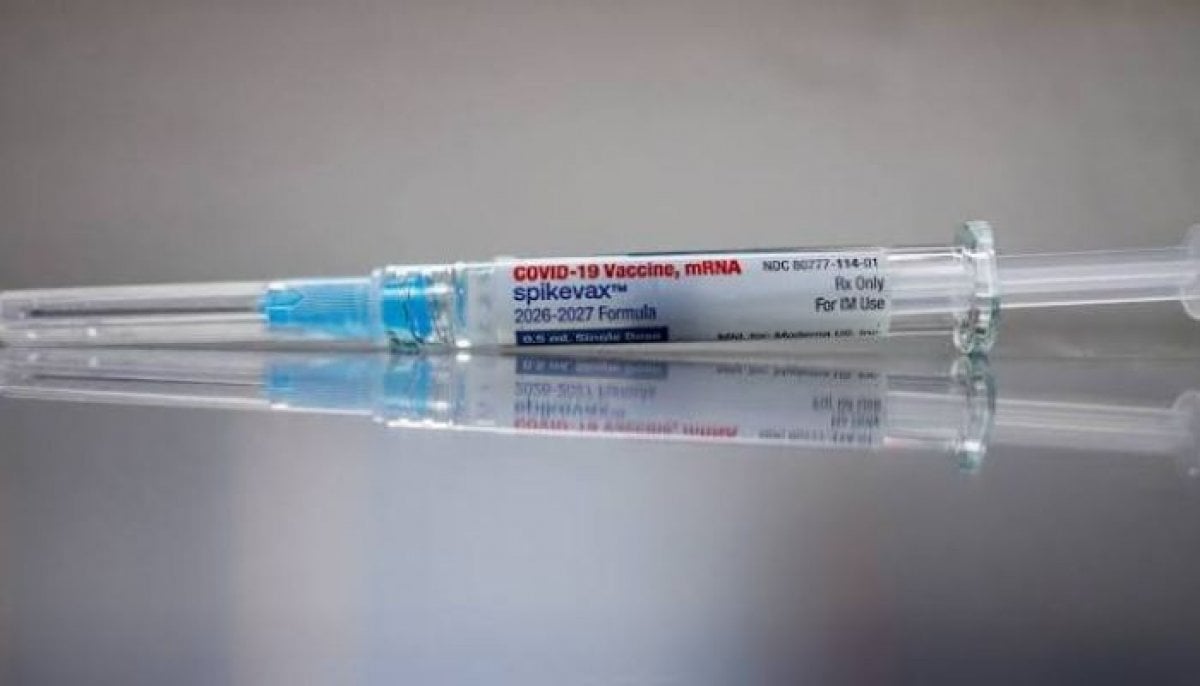 Moderna loses US government license defense in patent case
 -
 Novo says new Ozempic shows lower cardiovascular risk compared with Lilly’s Mounjaro
 -
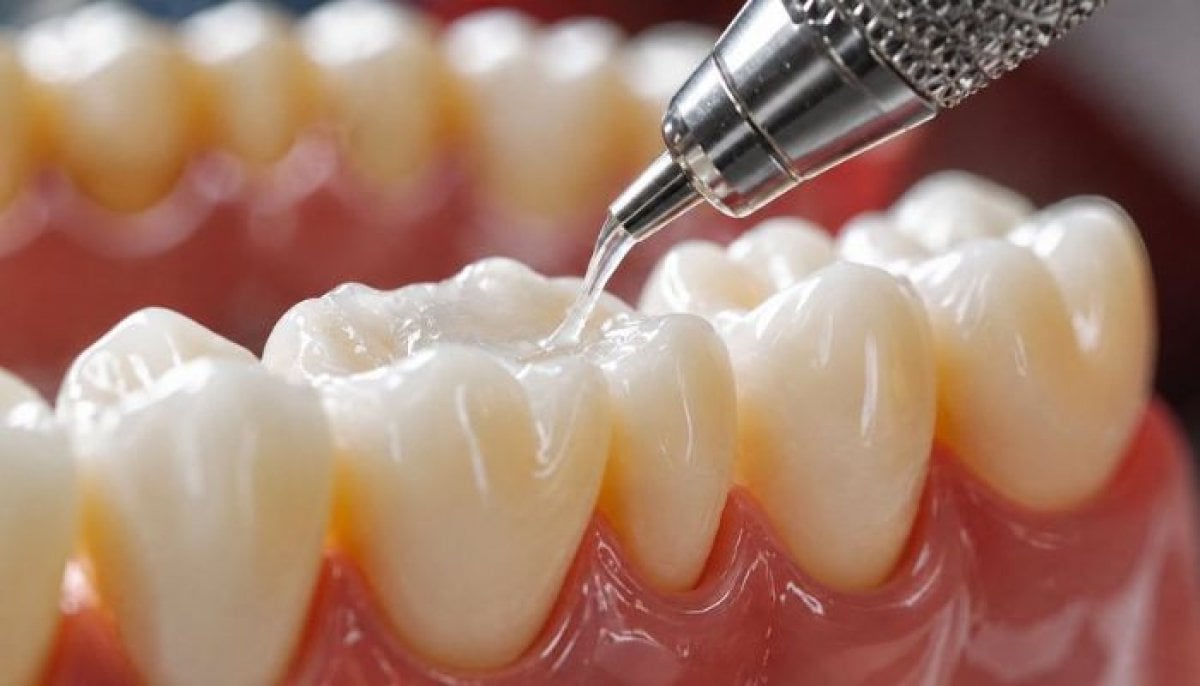 University of Nottingham researchers say new gel could regrow tooth enamel in weeks
 -
 New Chinese drug extends stroke treatment window from hours to 2 days: study finds
 -
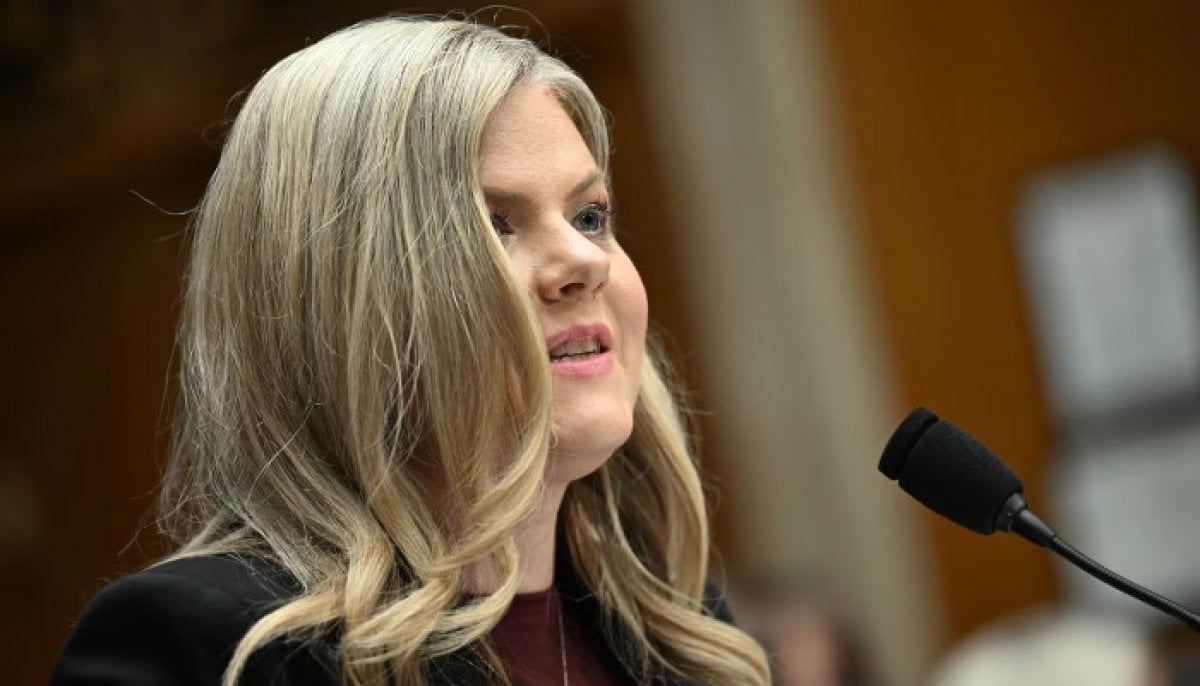 Trump’s FDA nominee Heidi Overton defends vaccines, contradicting his claims
 -
 New once-weekly insulin injection for type 2 diabetes wins FDA approval