Works for Free and Fair Elections Network, (FAFEN).

The author shares a phenomenal personal experience
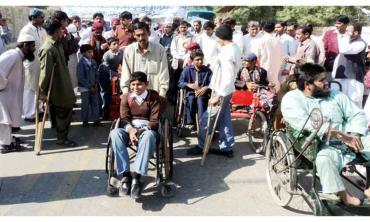
The Punjab Disability Act risks becoming another law rendered useless owing to bureaucratic inertia
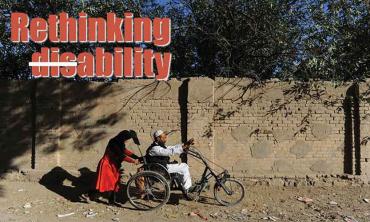
Lower representation of women with disabilities in national data sets is a sign of their diminished presence in the public life
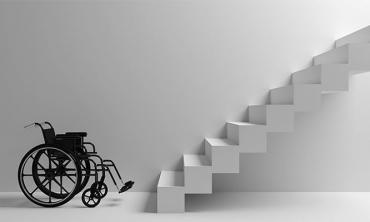
How lack of access affects people with disabilities
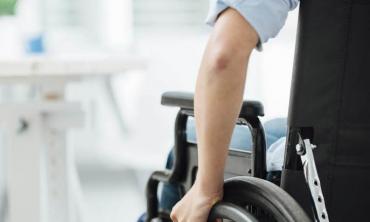
The sole purpose of persons with disabilities is not to provide inspiration rather they are functionally active and productive citizens
As the world observe White Cane Safety Day, the federal and provincial governments need to establish mobility training centres for the blind

Open and transparent functioning of governments is only possible when there is free flow of information from public bodies to citizens
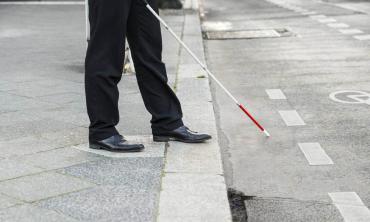
As the blind face worst kind of treatment by the system that is driving them insane and crazy, the blind need to keep pushing the envelope to change...
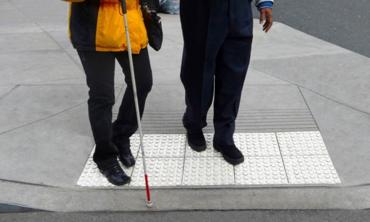
The mindset that does not acknowledge the very existence of the disabled and transgender people translates into inaccessibility of basic services...
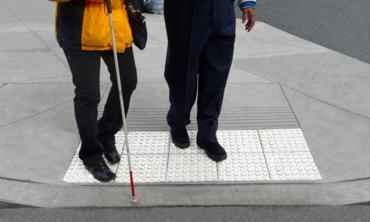
The built environment of our society needs to make room for the disabled to enjoy fundamental freedoms and rights as is the case in many countries
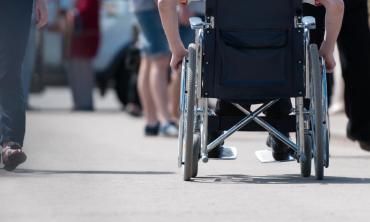
Our narrative about the disabled differs with the social construction of disability condition as depicted in UN Convention on Rights of Persons...
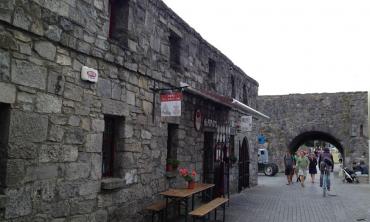
To the land of "one hundred thousand welcomes", to attend the international law summer school for the disabled, where Brexit becomes a concern

Public officials use tactics of hiding behind rules, procedures and even constitutional provisions to hold back information from citizens

The process of filing information requests under the Right to Information laws should be easy and cost-effective
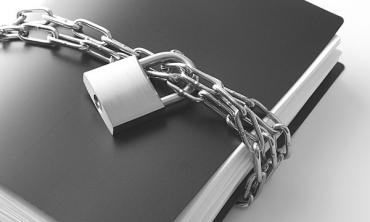
The court judgements that say public has a ‘right to know’ about everything done by public functionaries

Though effective on papers, the implementation status of Punjab and KPK right to information laws is not up to the mark



