
Barrick Gold’s Reko Diq output to flow through PIBTL
PPRA granted exemption last week following greenlight from SIFC according to senior officials familiar with matter
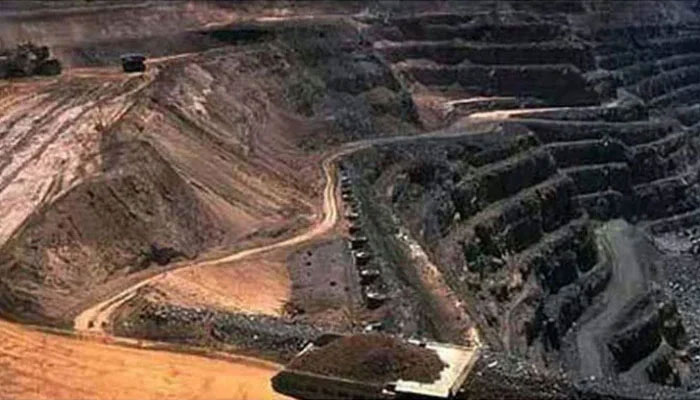
ISLAMABAD: Pakistan has waived all public procurement rules for Pakistan International Bulk Terminal Ltd (PIBTL) to handle exports of copper, gold, and other minerals from Barrick Gold Corp.’s $6 billion Reko Diq project, clearing a major regulatory hurdle in the effort to jumpstart one of the world’s largest untapped gold reserves.
The Public Procurement Regulatory Authority (PPRA) granted the exemption last week following the greenlight from the Special Investment Facilitation Council (SIFC), according to senior officials familiar with the matter. The decision enables PIBTL, a bulk terminal operator at Port Qasim near Karachi, to handle and export high-value minerals beyond its original mandate of coal, clinker, and cement.
“The project official [Barrick Gold] had reviewed nine to ten facilities for exports before selecting PIBTL,” a senior terminal executive told The News. “We have now requested Port Qasim Authority to formally allow us to handle these new commodities, and we’re open to modification of the terminal, if the company [Barrick] requires it.”
Notably, the Ministry of Maritime Affairs had formally sought the exemption under Section 21 of the PPRA Ordinance 2002, citing “national interest”. The law allows the federal government to waive procurement rules when strategic or economic priorities are at stake. A similar exemption was also sought under Section 7.12 of the National Mineral Policy 2013, which ordinarily mandates competitive bidding for mineral contracts involving proven reserves.
This regulatory fast-tracking comes as Barrick accelerates development at Reko Diq, a site boasting an estimated $70 billion in mineral wealth. The company has provisionally approved Phase-1 of the project, targeting $3 billion in financing by Q3 2025, with construction beginning this year and first production expected by 2028, CEO Mark Bristow told Bloomberg last week. Backers include the International Finance Corporation (IFC) and development agencies from the US, Germany, and Japan.
The latest developments signal a major milestone in Pakistan’s bid to attract foreign investment into its mineral sector, especially in Balochistan — a province long plagued by insecurity and regulatory uncertainty. The exemption paves the way for PIBTL and Port Qasim Authority (PQA) to revise their existing agreement, enabling dedicated infrastructure for handling high-value mineral exports critical to Pakistan’s economic revival.
Barrick owns 50 percent of the Reko Diq project, while the federal and Balochistan governments share the equal remaining stake. The long-delayed project was revived after a decade-long arbitration and is now seen as a flagship venture to unlock the country’s untapped mineral potential.


