
Workshop on gender-responsive food system policies hosted
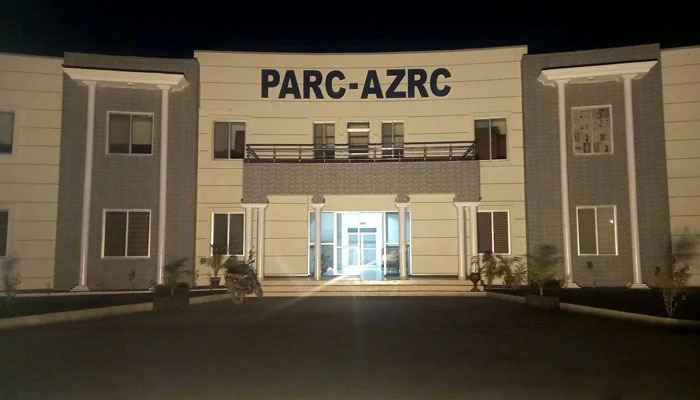
Islamabad:The Pakistan Food Systems Transformation Secretariat (PFSTS) at the Pakistan Agricultural Research Council (PARC), in collaboration with the Global Alliance for Improved Nutrition (GAIN), hosted a National Workshop on Gender-Responsive Food System Policies today in Islamabad. The workshop convened key government officials, policymakers, development partners, and experts to shape nutrition-sensitive, equitable, and sustainable food systems in Pakistan.
Dr. Nazeer Ahmad, Chief Nutrition, Ministry of Planning, Development & Special Initiatives, delivered a keynote address, stressing the critical role of evidence-based policymaking and community engagement in addressing malnutrition and gender disparities. He stated, "To truly transform our food systems, we must adopt gender-responsive policies that ensure equal opportunities for women and marginalized groups. These policies must be inclusive, sustainable, and designed with the active participation of the communities they aim to serve."
Led by PARC, the PFSTS serves as a national platform for multi-sectoral coordination, evidence-based policymaking, and stakeholder engagement to advance Pakistan’s food systems transformation. Dr. Ghulam Sadiq Afridi, Member of the Social Sciences Division at PARC and Secretary of PFSTS, emphasized the importance of gender-responsive food policies for Pakistan’s food security. “Strengthening food systems requires us to address gender inequities at all levels. PARC, through the Food Systems Transformation Secretariat, is committed to ensuring that our policies are inclusive, actionable, and based on scientific evidence.” He reaffirmed the Ministry’s commitment to supporting data-driven, gender-inclusive food systems related policies, ensuring that future initiatives are aligned with national development priorities and Pakistan’s commitments under the United Nations Food Systems Summit (UNFSS) framework and Pakistan Food System Transformation Pathway prepared with the technical assistance from key development partners like Global Alliance for Improved Nutrition (GAIN), FAO and others.
Faiz Rasool, Head of Policy & Advocacy at GAIN Pakistan, reinforced the need for strong public-private partnerships to implement these policies effectively. “By collaborating with organizations like PARC and key stakeholders, we are not just discussing policies—we are working toward real, measurable change that improves lives, particularly for women and marginalized groups.”
The workshop also featured a presentation of key qualitative research findings by Dr. Nilofer Fatimi Safdar, Technical Advisor at Communication Partners International (CPI) and Associate Professor at Dow University of Health Sciences (DUHS). The workshop’s discussions are aimed to inform a Policy Brief with concrete recommendations for integrating gender-sensitive strategies into Pakistan’s food and nutrition policies.


