
A looming abyss: How Afghanistan threatens global security
Afghan branch of the Islamic State, has claimed responsibility, a chilling confirmation of the fears many held
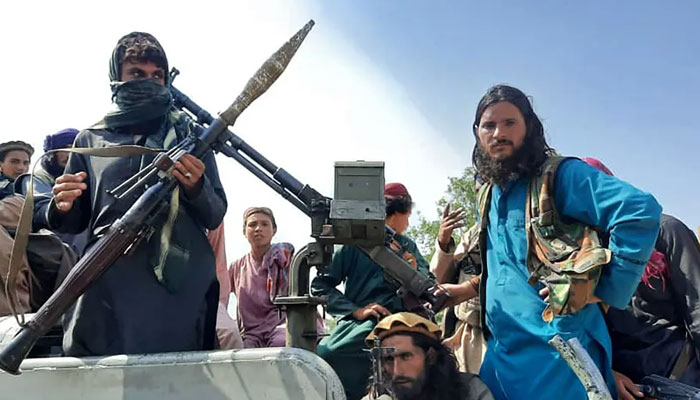
The images of the aftermath in Moscow - the blood staining the cobblestones outside the concert hall, the faces etched with shock and grief - are a stark reminder of the brutal reality of terrorism. ISIS-K, the Afghan branch of the Islamic State, has claimed responsibility, a chilling confirmation of the fears many held.
This isn’t just about a name. The attack, linked to Central Asian militants emboldened by the chaos in Afghanistan, lays bare a terrifying truth: the embers of terror thought extinguished in that war-torn nation are flickering back to life. This isn’t just a threat to Central Asia and Russia, but to the very fabric of global security.
The warnings from the battlefield are clear and urgent. General Michael Kurilla, head of US Central Command, paints a grim picture: terrorist groups operating freely in Taliban-controlled Afghanistan could launch attacks on US soil within six months.
This chilling assessment is echoed in a recent Foreign Policy exposé, detailing al-Qaeda’s alarming resurgence. They’re rebuilding networks, training new recruits, and exploiting the power vacuum left by the international withdrawal. The idea of a global terror organization finding a safe haven under the Taliban is a nightmare scenario.
The ripples of instability don’t stop at Afghanistan’s borders. Pakistan, a neighbor with a complex history, is already feeling the heat. Pakistani militant groups like the TTP are operating from Afghan sanctuaries, leading to a surge in attacks within Pakistan itself. The fear of resurgent terrorism hangs heavy in the air, and the potential for a domino effect destabilizing the entire region is a chilling prospect.
China, a major player in the region’s economic and political landscape, isn’t immune either. A successful attack on Chinese interests could be a seismic event, disrupting regional connectivity and jeopardizing initiatives like China’s Belt and Road Initiative.
While the burden of containing this crisis ultimately falls on the Afghan leadership i.e. the Taliban, their current approach offers little hope. Critics point out a lack of clear strategy and a tendency to blame Pakistan for regional security issues.
This is unproductive and ignores the complex web of historical grievances that have fueled instability for decades. Pakistan, itself grappling with its own internal security challenges, expects a more collaborative approach.
The international community must unite to address this crisis before it’s too late. This requires a united front, including powers like the US, Russia, China, and regional players like Central Asia and Iran. A multi-pronged approach is crucial: fostering diplomacy to facilitate dialogue between regional players, providing resources and expertise to help the Afghan government tackle terrorism, and establishing robust intelligence-sharing mechanisms to track and disrupt terrorist networks. However, the heavy lifting has to be done by the Taliban themselves.
But security concerns are only part of the equation. We need to address the root causes of terrorism in Afghanistan. This means investing in long-term solutions: promoting economic development, fostering human rights and democratic values, and supporting education and social services for the Afghan people. Only by tackling these issues can we create a foundation for lasting peace and stability.
History is a harsh teacher. The Soviet invasion of Afghanistan in the 1980s created a breeding ground for extremism, leading to the rise of al-Qaeda and the devastating 9/11 attacks. We cannot afford to repeat the mistakes of the past. A stable Afghanistan is not just a regional imperative. It’s essential for global security.
We stand at a precipice, and the consequences of inaction are dire. Only through united action and a commitment to long-term solutions can we prevent Afghanistan’s unraveling from becoming a global abyss.
The writer is an analyst and former information Minister Balochistan. He tweets @Jan_Achakzai.


