Genetically modified purple tomatoes soon to hit US market
The gene-edited tomatoes can produce up to 10 times more antioxidants than other varieties
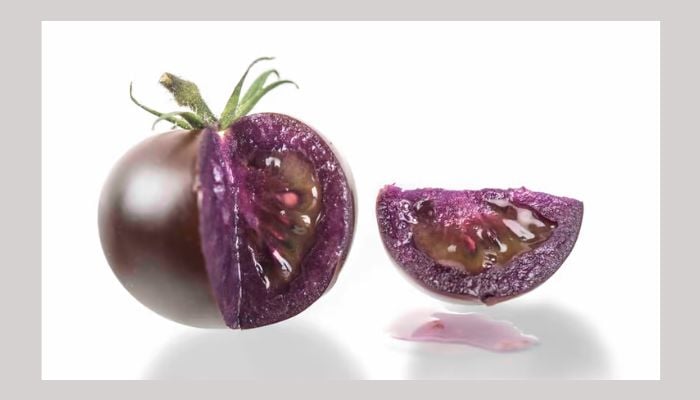
After over a decade of research and development, the United States Department of Agriculture (USDA) has finally approved a nutritionally enhanced purple tomato.
The gene-edited tomatoes can produce up to 10 times more antioxidants than other varieties, reported New Atlas.
In 2008, a study discussed a type of tomato that could be developed by gene editing to produce more antioxidants called anthocyanins.
These are naturally found in many vegetables and fruits like red cabbage and blueberries. They are the reason these foods have a purple pigment in them. Other than the colour they share, they also lead to a reduced risk of diabetes and heart disease.
With some genetic tweaks, scientists were able to add higher levels of anthocyanin to the fruit by taking genes from a snapdragon plant.
To test the health benefits of the gene-edited fruit, in 2008, researchers fed it to mice engineered to develop cancer. Mice who were given the anthocyanin-boosted tomato lived 30% longer than the rest.
Plant biologist Cathie Martin called the effort the first example of metabolic engineering offering to promote health through diet.
"And certainly the first example of a GMO [genetically modified organism] with a trait that really offers a potential benefit for all consumers."
The tomato is soon to enter the market after being approved by the USDA. It has been marked safe and can be grown anywhere in the US like any other crop.
Jonathan Jones, the co-founder of Norwich Plant Sciences said that he and Cathie never expected the regulatory approval to take that long when they started working on the purple tomato 15 years ago.
This approval also makes the US the first-ever country on the planet to allow the growth of genetically modified products.
The founders believe that the United Kingdom will be the next to approve.


-
 Rabies concerns grow in US, sparking health warnings over fatal virus
 -
 This popular cooking garnish may offer surprising benefits for brain health
 -
 Was the human brain once two separate organs? Scientists find new clues
 -
 Novo Nordisk partners with Anthropic to accelerate AI-powered drug discovery
 -
 Congo Ebola outbreak reaches turning point as daily infections fall
 -
 Study reveals why some babies are born with heart defects
 -
 Third measles-associated death reported as Pennsylvania outbreak reaches 676 cases
 -
 Cyclosporiasis outbreak: US officially ends largest outbreak linked to contaminated lettuce
-
 Hot beverages increase risk of cancer? New research provides in-dept details
 -
Highest-level recall issued for potato chips over banned ingredient posing death risk
-
Very hot tea and coffee could triple cancer risk, Oxford study warns
-
Global study reveals nearly 1.7 million deaths linked to second-hand smoke exposure in 2023