Taiwan to move away from zero-COVID strategy: minister
Taiwan has largely closed its borders and implemented strict quarantine rules throughout the pandemic, keeping infection numbers low
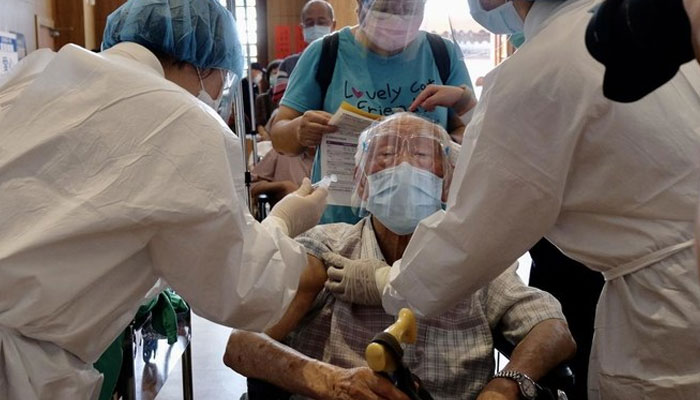
TAIPEI: Taiwan will move away from a zero-COVID policy and instead focus on tackling the most severe infections in an effort to live with the coronavirus, its health minister said Thursday.
The decision leaves China — and its financial hub Hong Kong — as the only major economy still sticking to the strategy even as Omicron breaks through those defences.
Taiwan has largely closed its borders and implemented strict quarantine rules throughout the pandemic, keeping infection numbers low.
An outbreak last year prompted the temporary reimposition of economically painful social distancing measures until it was brought under control.
Infections are once again rising but Taiwan's leaders have signalled they will follow other former zero-covid economies like Singapore, Australia and New Zealand by opening up.
Asked at a parliamentary session on Thursday if Taiwan was in a "transitional phase" from pursuing zero cases to living with the virus, health minister Chen Shih-chung replied: "Yes, you can say so."
"We will not stop our journey towards opening up, this is our direction but we will maintain effective management. The main goal now is harm mitigation," he said.
Chen's remarks came a day after President Tsai Ing-wen called for calm and confidence in the island's ability to confront the surge in cases.
"With ongoing vaccination and targeted use of medical resources, we continue to pursue our goal of mitigating harm while also ensuring the health of our economy," she tweeted on Wednesday.
For most of March, Taiwan recorded case numbers in the single digits, but infections have been steadily increasing since 87 were reported on March 31.
On Thursday new infections rose to 382, a record this year and the seventh straight day with the number over 100.
Chen said Taiwan cannot yet fully live with the virus but plans to "gradually loosen" quarantine requirements.
One sticking point could be lacklustre vaccination rates. Currently 79 percent of the population have received two doses but only 51 percent have had a booster.
Vaccination rates among the elderly, the most vulnerable demographic, are also low.
Taiwan's plan to shift tactics comes as an outbreak in China's economic heartland of Shanghai is exposing the limits of strict zero-COVID controls.
Residents in the city of 25 million have been confined to their homes and authorities are now recording about 20,000 new infections a day.
Chinese social media has been filled with stories of people struggling to secure food deliveries and medicine.
In Hong Kong, the zero-COVID strategy collapsed when Omicron broke through at the start of the year, leaving the city with one of the world's highest mortality rates from the virus.


-
 Rabies concerns grow in US, sparking health warnings over fatal virus
 -
 This popular cooking garnish may offer surprising benefits for brain health
 -
 Was the human brain once two separate organs? Scientists find new clues
 -
 Novo Nordisk partners with Anthropic to accelerate AI-powered drug discovery
 -
 Congo Ebola outbreak reaches turning point as daily infections fall
 -
 Study reveals why some babies are born with heart defects
 -
 Third measles-associated death reported as Pennsylvania outbreak reaches 676 cases
 -
 Cyclosporiasis outbreak: US officially ends largest outbreak linked to contaminated lettuce
-
 Hot beverages increase risk of cancer? New research provides in-dept details
 -
Highest-level recall issued for potato chips over banned ingredient posing death risk
-
Very hot tea and coffee could triple cancer risk, Oxford study warns
-
Global study reveals nearly 1.7 million deaths linked to second-hand smoke exposure in 2023