FATF decision to retain Pakistan on grey list came after EU expressed dissatisfaction
In a political dialogue on Oct 7, EU had asked Pakistan to continue decisive action against terrorism financing and money laundering
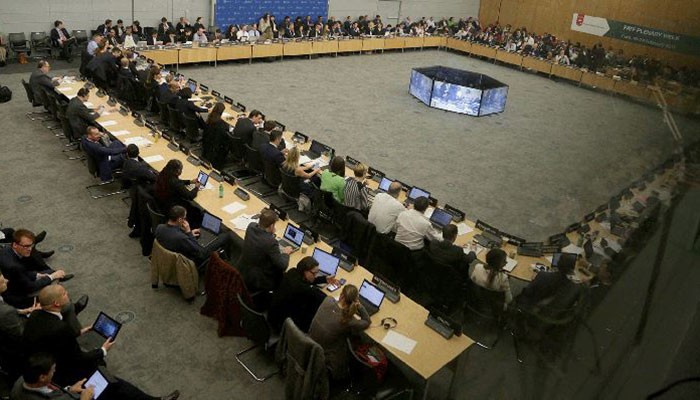
PARIS: The Financial Action Task Force (FATF) has kept Pakistan in its "grey list" while acknowledging its efforts to comply with 21 out of 27 conditions in the action plan set by the watchdog. The decision to retain Pakistan on the grey list came after the European Union expressed dissatisfaction with Pakistan's progress, The News has learnt.
Just before FATF's plenary meeting from October 21-23, the EU had expressed dissatisfaction with Pakistan's progress on FATF compliance during its last strategic dialogue with Pakistan on October 7.
Not only that, it had opposed Pakistan's exit from the grey list.
Important member states of the EU alliance, such as Belgium, Germany, UK and the Netherlands, took a hard stance against Pakistan, which reflects in the policy of the Union.
The EU reviewed the progress made by Pakistan on the FATF's recommendations and urged the country to fight terrorism, money laundering and financial terrorism — areas which comprise the remaining six conditions the country must comply with.
Speaking to this correspondent, an EU official said that the Union does not consider Pakistan to have fulfilled the requirements of the FATF.
In the political dialogue on October 7, the EU had said Pakistan has to make important efforts to fulfil remaining objectives.
In this regard, the EU encouraged Pakistan to double its efforts to implement the action plan and continue decisive action against terrorism financing and money laundering.
FATF President Dr Marcus Pleyer, addressing a webinar today to announce the decisions taken by the plenary in its three-day meeting period from October 21 to 23, said that the forum has decided that Pakistan "needs to do more" when it comes to fulfilling the requirements set out by the task force.
The following four areas of strategic deficiencies were identified in a statement issued following the webinar:
- Demonstrating that law enforcement agencies (LEAs) are identifying and investigating the widest range of terror financing activity (TF) and that TF investigations and prosecutions target designated persons and entities, and those acting on behalf or at the direction of the designated persons or entities.
- Demonstrating that TF prosecutions result in effective, proportionate and dissuasive sanctions.
- Demonstrating effective implementation of targeted financial sanctions against all 1,267 and 1,373 designated terrorists and those acting for or on their behalf, preventing the raising and moving of funds including in relation to NPOs (non-profit organisations), identifying and freezing assets (movable and immovable), and prohibiting access to funds and financial services
- Demonstrating enforcement against TFS (terror financing sanctions) violations, including in relation to NPOs, of administrative and criminal penalties and provincial and federal authorities cooperating on enforcement cases.




-
 US EPA unveils sweeping power plant carbon limit rollbacks at G20 meeting to prioritize grid reliability
 -
 Savannah Guthrie makes another emotional plea to Nancy's kidnappers
 -
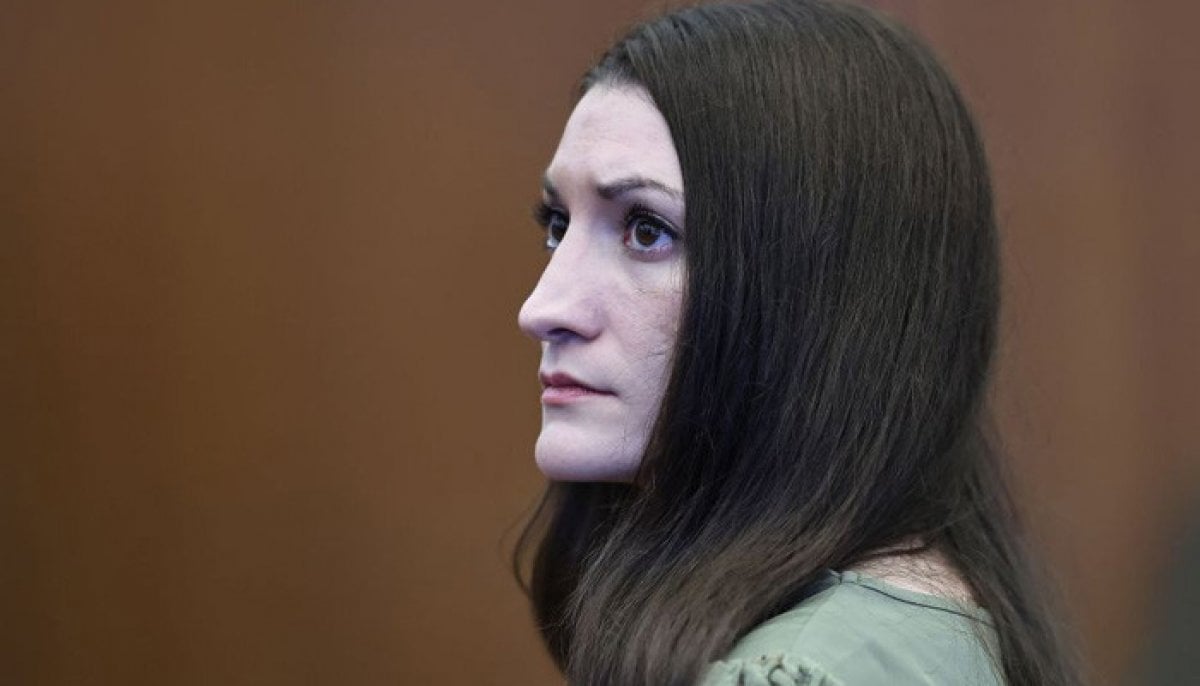 'Hang Lindsay Clancy': GOP rep calls for mom-of-three's public execution
 -
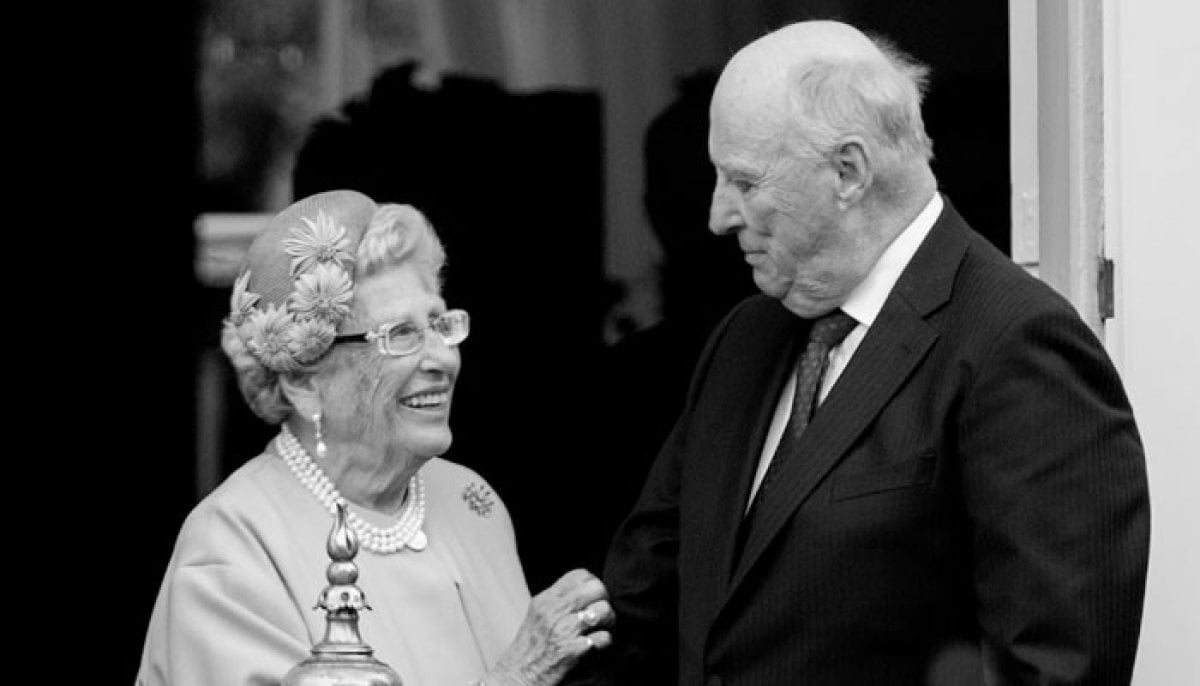 Royal family shares Princess Astrid's funeral plan
 -
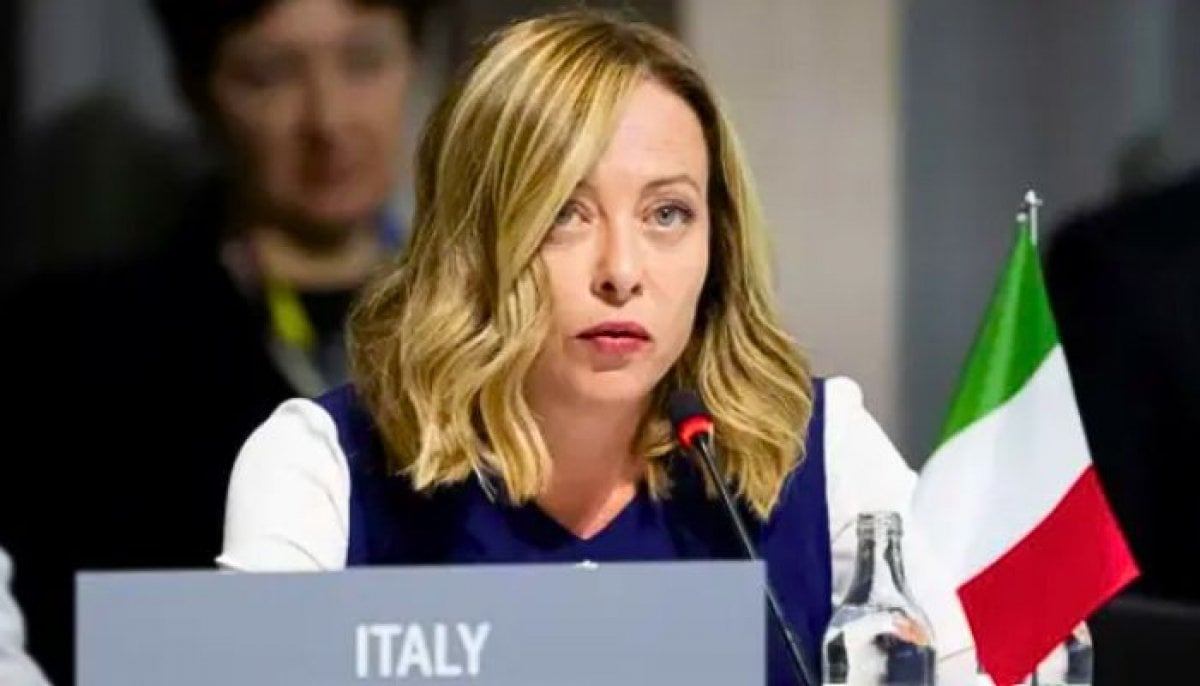 Italian Senate clears PM Giorgia Meloni electoral reform bill to overhaul voting system and establish majority bonus thresholds
 -
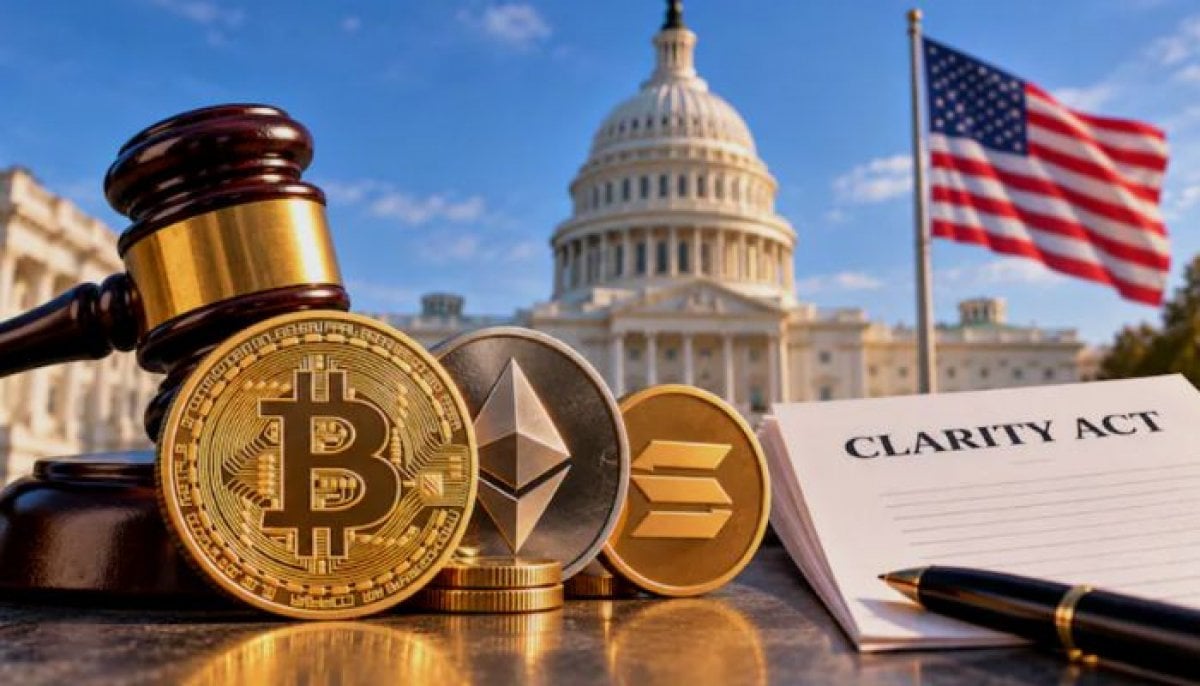 US Senate advances landmark crypto bill to set new digital asset boundaries
 -
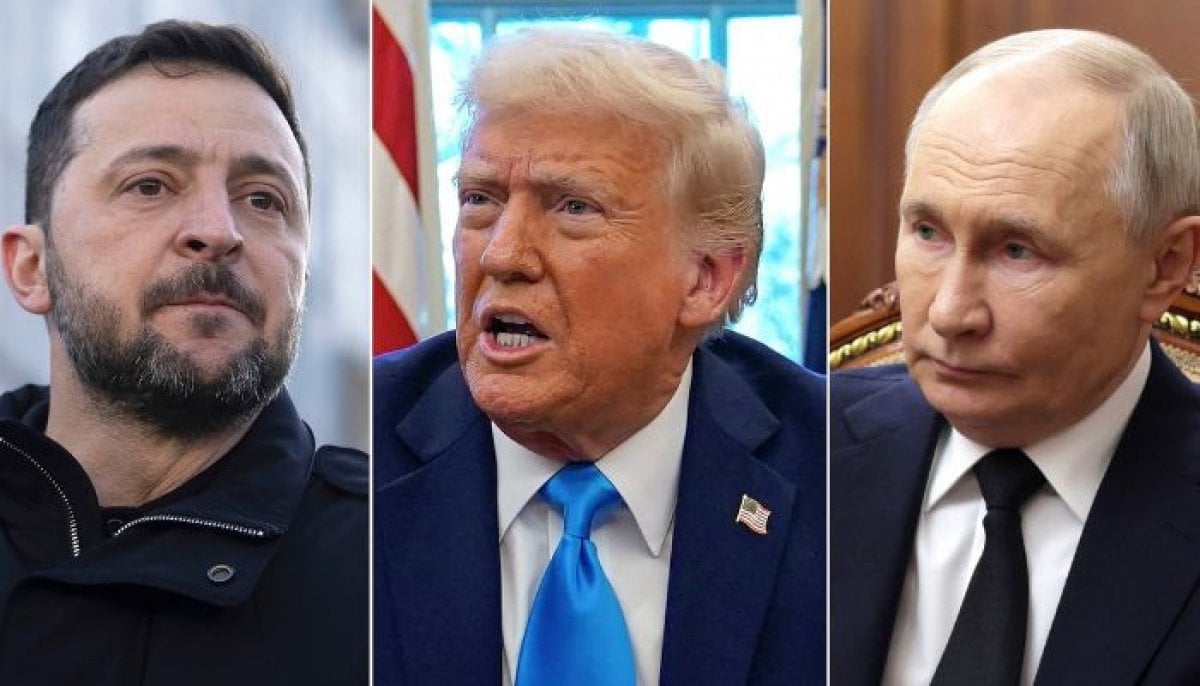 Russia-Ukraine energy truce? Kremlin welcomes Trump's proposal with 'conditions'
 -
 UK State pension likely to rise by £488 a year in April
-
 Russia threatens Poland, claims Warsaw could ‘disappear’ in days
 -
China warns US over ‘weaponization of space’ after deployment confirmed
-
China tightens exit restrictions for citizens to safeguard national technology security and penalize overseas violations
-
Carney heads to Europe as Canada-EU ties take center stage amid US trade war