Failed strut caused SpaceX rocket blast: CEO Elon Musk
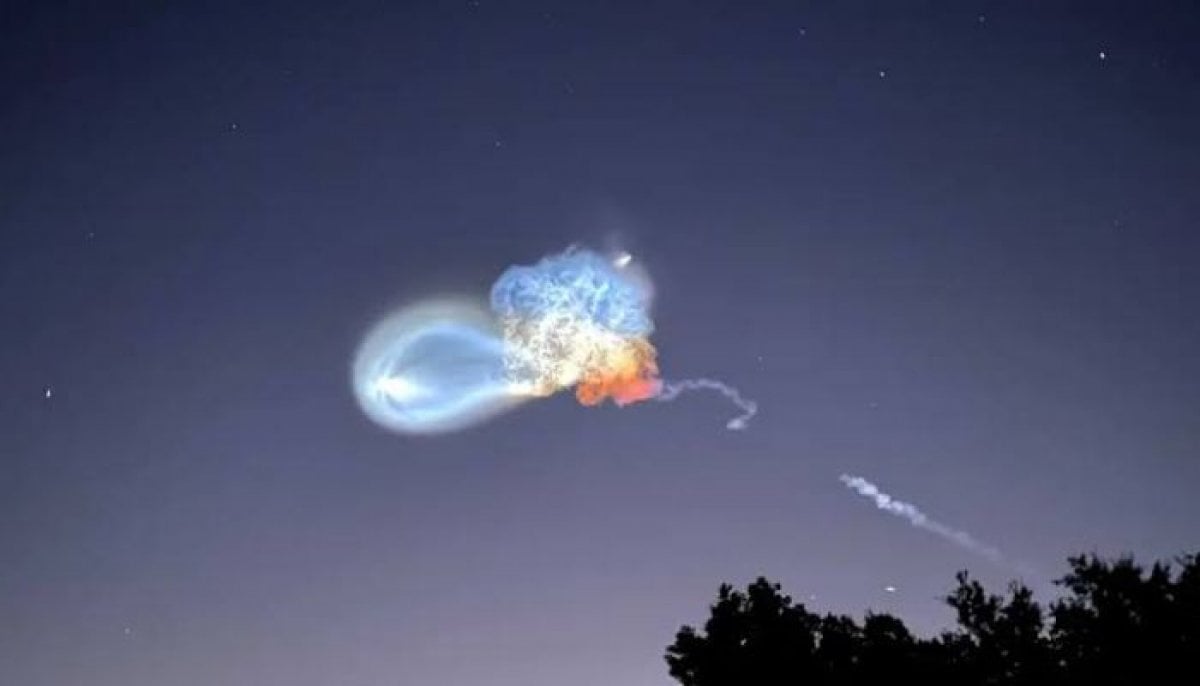
Miami: The SpaceX Falcon 9 explosion was caused by a failed strut that allowed a helium bottle to burst free inside the rocket´s liquid oxygen tank, CEO Elon Musk said Monday.
"One of those struts broke free during flight," Musk told reporters on a conference call to discuss the June 28 blast on what was supposed to be a routine cargo
By AFP
Published July 21, 2015
Miami: The SpaceX Falcon 9 explosion was caused by a failed strut that allowed a helium bottle to burst free inside the rocket´s liquid oxygen tank, CEO Elon Musk said Monday.
"One of those struts broke free during flight," Musk told reporters on a conference call to discuss the June 28 blast on what was supposed to be a routine cargo mission to the International Space Station.
"So the helium bottle would have shot to the top of the tank at high speed," said Musk, noting that the findings are the preliminary results of a weeks-long investigation by the California-based company.
The accident caused NASA to lose $110 million in equipment bound for the astronauts living in orbit, a US space agency spokesman told Congress earlier this month.
The struts in question are each two feet (60 centimeters) long and an inch (2.5 cm) thick, and were furnished to SpaceX by an outside supplier.
"We are not going to use these particular struts in the future," Musk said, adding that the company plans to begin individually testing each strut ahead of future launches.
Musk said SpaceX would return to flight with the Falcon 9 "no sooner than September."
He also said the problem is not expected to delay the company´s goal of sending astronauts to space aboard its Dragon spaceship within the next two years.
Musk, the billionaire cofounder of PayPal who also heads Tesla Motors, said that SpaceX had had a seven-year record of safety in flight until the accident happened.
He admitted that SpaceX may have become "a little bit complacent," and that the blast offered an "important lesson" for the future.
The explosion happened just over two minutes after the rocket blasted off from Cape Canaveral, Florida.
The rocket failure was the third in a series of cargo disasters in the past eight months.
In October, US company Orbital´s Antares rocket exploded after launch from Virginia, and in April, Russia lost contact with its Progress cargo ship shortly after liftoff. (AFP)
"One of those struts broke free during flight," Musk told reporters on a conference call to discuss the June 28 blast on what was supposed to be a routine cargo mission to the International Space Station.
"So the helium bottle would have shot to the top of the tank at high speed," said Musk, noting that the findings are the preliminary results of a weeks-long investigation by the California-based company.
The accident caused NASA to lose $110 million in equipment bound for the astronauts living in orbit, a US space agency spokesman told Congress earlier this month.
The struts in question are each two feet (60 centimeters) long and an inch (2.5 cm) thick, and were furnished to SpaceX by an outside supplier.
"We are not going to use these particular struts in the future," Musk said, adding that the company plans to begin individually testing each strut ahead of future launches.
Musk said SpaceX would return to flight with the Falcon 9 "no sooner than September."
He also said the problem is not expected to delay the company´s goal of sending astronauts to space aboard its Dragon spaceship within the next two years.
Musk, the billionaire cofounder of PayPal who also heads Tesla Motors, said that SpaceX had had a seven-year record of safety in flight until the accident happened.
He admitted that SpaceX may have become "a little bit complacent," and that the blast offered an "important lesson" for the future.
The explosion happened just over two minutes after the rocket blasted off from Cape Canaveral, Florida.
The rocket failure was the third in a series of cargo disasters in the past eight months.
In October, US company Orbital´s Antares rocket exploded after launch from Virginia, and in April, Russia lost contact with its Progress cargo ship shortly after liftoff. (AFP)


-
 Orionid meteor shower 2026: Peak date, viewing tips and what to expect
 -
 Why Mars looks blue in NASA’s unedited curiosity panorama?
 -
 Blue Origin upgrades new Glenn rocket launch infrastructure to take on SpaceX
 -
 NASA’s next Mars mission targets Phobos and Deimos, not Red Planet
 -
 Is AI ready to rewrite our understanding of physics?
 -
 Astronomers identify possible first green star in 27 years of research
 -
 New study sounds alarm as Doomsday Glacier melts more aggressively than thought
 -
 Hubble data hints at planet born after its star died