Turkish President Erdogan raises Kashmir issue at UN
Earlier in the day, Prime Minister Imran Khan met President Recep Tayyip Erdogan on the sidelines of 74th session of the UN General Assembly in New York.
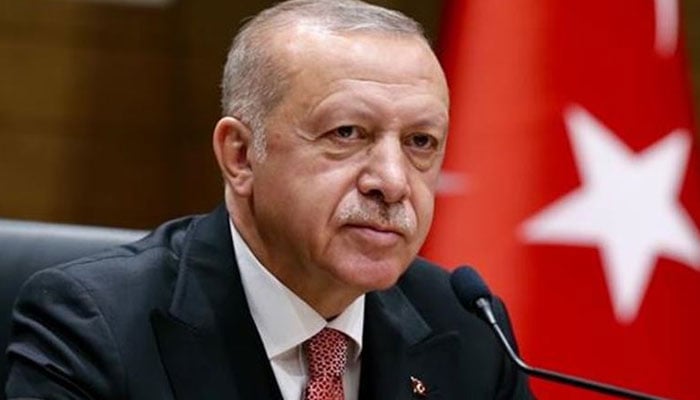
NEW YORK: Turkish President Tayyip Erdogan raised the issue of current situation in occupied Kashmir in the United Nations on Tuesday.
According to Turkish news agency Anadolu, Erdogan said that the stability and prosperity of South Asia can not be separated from the Kashmir issue.
In his speech before the UN, said that despite the UN resolutions, eight million people are stuck in occupied Kashmir.
He said that for a safe future it is imperative that to solve the issue of the occupied valley through dialogue than conflict.
Erdogan said that the 72-year-old Kashmir issue should be resolved through dialogue on the basis of justice and equity.
Earlier in the day, Prime Minister Imran Khan met President Recep Tayyip Erdogan on the sidelines of 74th session of the UN General Assembly in New York and discussed with him bilateral relations and the latest situation since India’s illegal and unilateral actions of 5th August to alter the disputed status of Indian Occupied Jammu and Kashmir.
Recalling his visit to Turkey in January 2019, the Prime Minister expressed satisfaction that Pakistan-Turkey bilateral relations had transformed into a mutually beneficial strategic partnership, a statement issued by the PM Office here Tuesday said.


-
 Poland deploys thousands of police officers to schools following spate of stabbing attacks
 -
 Ilhan Omar’s home searched in fraud investigation
 -
 Power outages in Ukraine as strikes continue despite Trump ‘energy ceasefire’ claim
 -
 Zelenskyy offers ‘diesel deal’ to Trump as Kremlin rejects 60-day ceasefire plan
 -
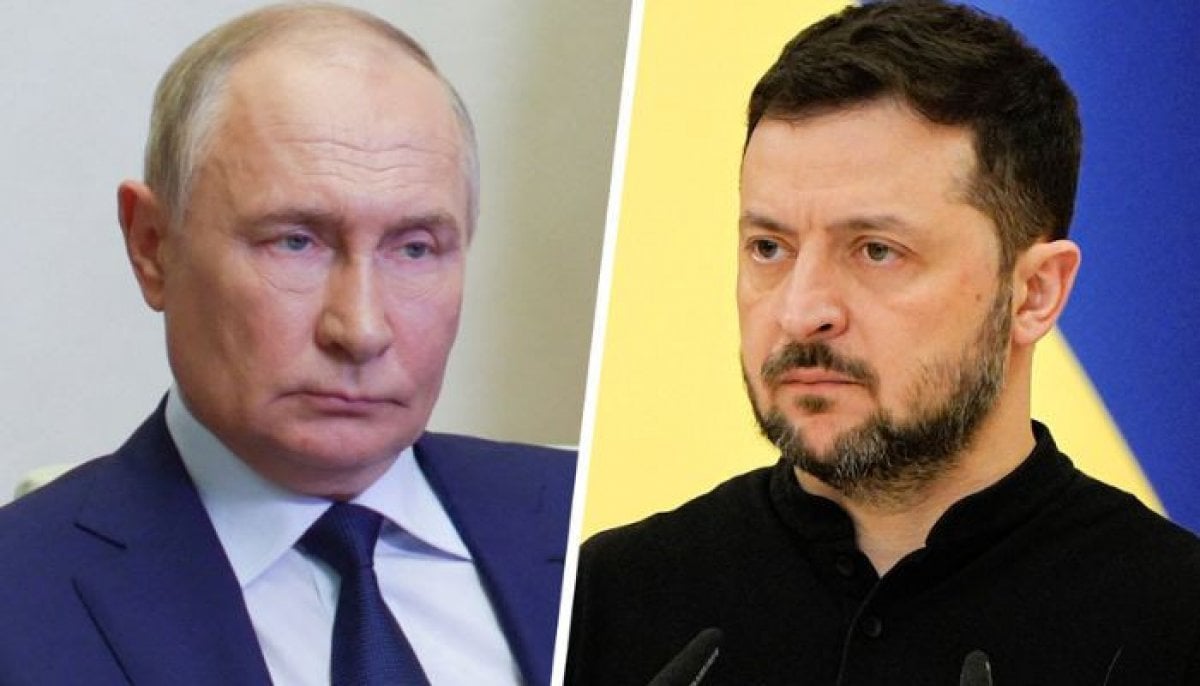 Russia rejects Ukraine’s 60-day ceasefire proposal with different ‘peace’ vision
 -
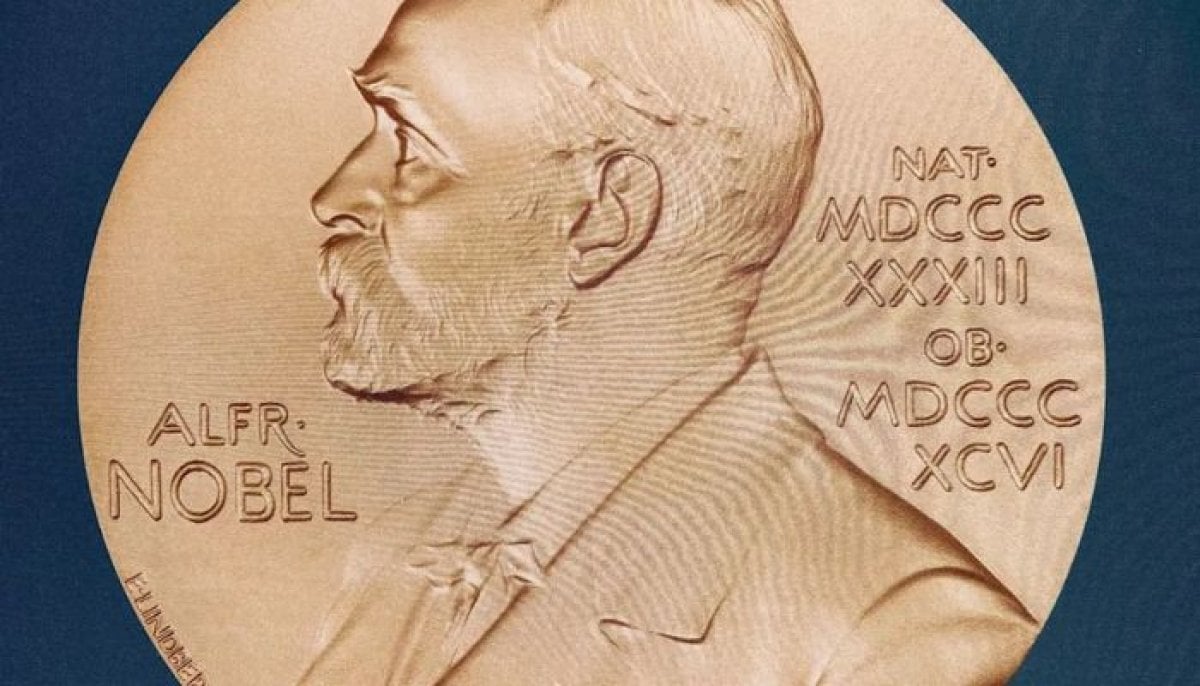 Robert E. Hall, Michael Woodford win 2026 Nobel Prize in Economics
 -
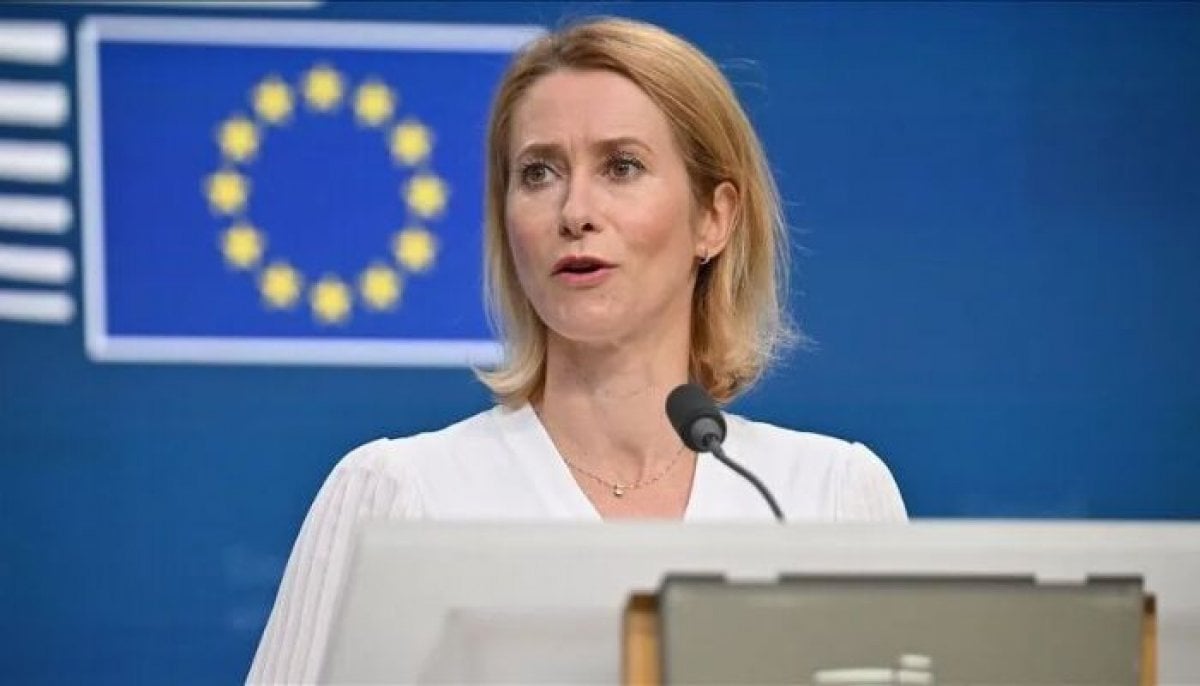 EU imposes record 1,600 sanctions on Russia in biggest-ever crackdown
 -
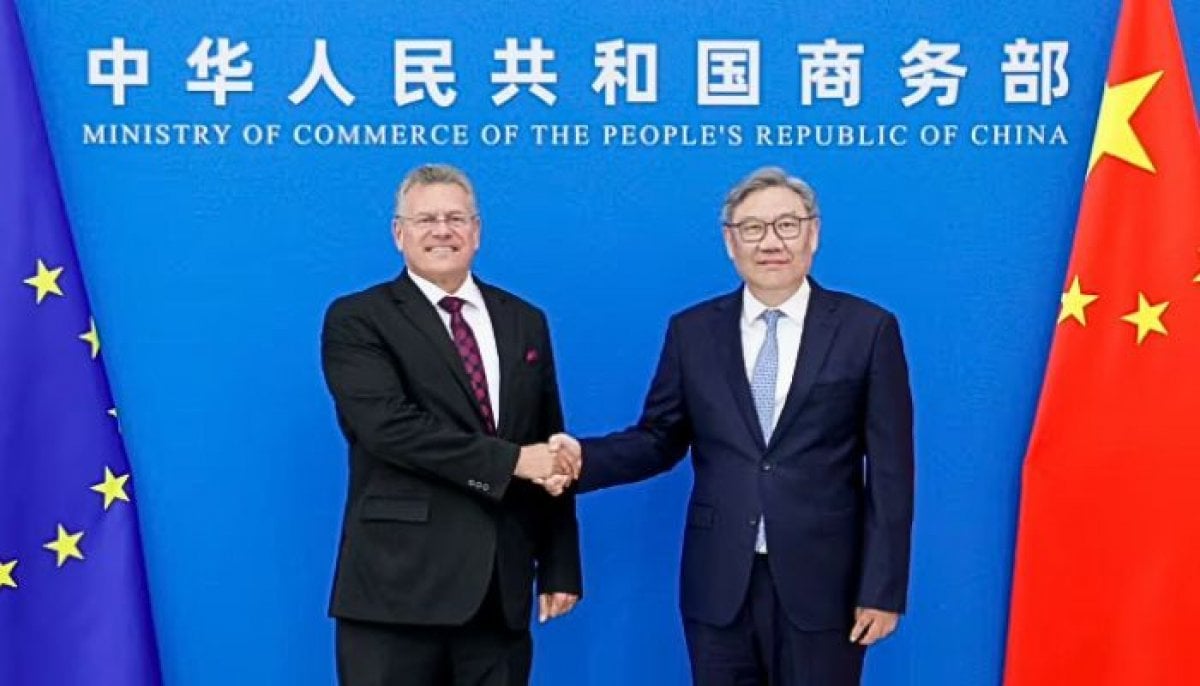 China, EU reach breakthrough consensus on Hybrid and EV trade
-
 Cornell University professor sides with Jane Doe in ongoing assault case
 -
US envoys still plan Moscow visit, await Ukraine’s position on ‘unified proposal’: Report
-
Burnham to make case for resetting UK-EU relations with new post-Brexit deal
-
France: Poll shows Le Pen and Melenchon head for run-off as political divide deepens