Model, MPA-elect Abbas Jafri vows to focus on civic issues first in PS-125
PTI's Jafri won the provincial assembly constituency PS-125 (Central-III) on July 25, 2018
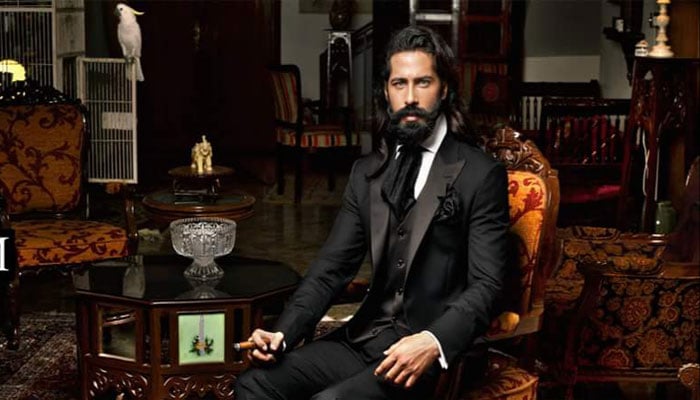
KARACHI: Soon to be sworn in, model-turned-politician Abbas Jafri says he will address the most urgent civic needs in his constituency before pursuing modernisation initiatives.
Pakistan Tehreek-e-Insaf’s (PTI) Jafri won the provincial assembly constituency PS-125 (Central-III), which has remained a Muttahida Qaumi Movement (MQM) stronghold. With 30,687 votes, he defeated MQM’s Abdul Haseeb (26,818) in Azizabad, the party's home ground and site of Muttahida headquarters, Nine Zero.
Highlighting that even mosques in PS-125 lack water for ablution, he vowed to first ensure the provision of basic facilities to residents before moving on to modernisation projects. “You can’t teach fashion to people deprived of potable water and a proper sewerage system,” Jafri told The News International.
The MPA-elect, recognised for his humanitarian work, also stressed the need to tackle street crime, improve governance, ensure proper garbage disposal, upgrade sewerage systems, enforce accountability, and maintain law and order.
“Water and sewerage are local responsibilities,” he said. “Garbage disposal must be punctual. Despite four councils under one authorising body, officials are not properly informed of their duties.”
Before winning the provincial seat, Jafri served as the senior vice-president of PTI’s District Central wing. While he has proposed forming a state-run Pakistan Fashion Council to promote local fashion, culture, and handicrafts globally, his immediate focus remains on improving basic facilities and addressing residents’ everyday concerns.
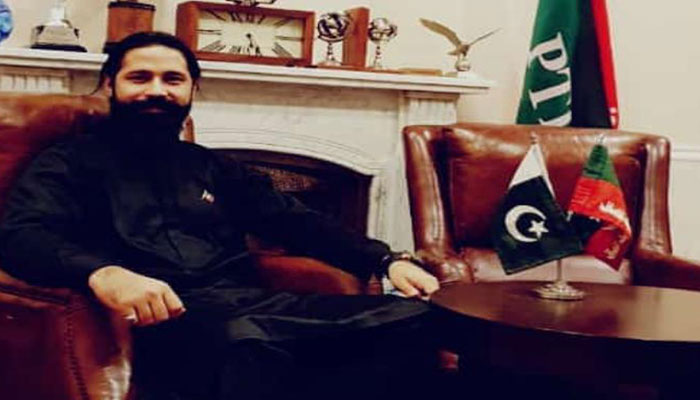
He also referenced PTI chief Imran Khan’s mission to empower lower- and middle-income citizens, adding, "I want to create jobs for rural communities and promote their crafts internationally.”
He said that throughout his door-to-door campaign, the major concerns that residents raised were poorly staffed healthcare facilities, street crime, unpredictable law and order, and the shortage of local police personnel familiar with Karachi's dynamics.
“We need local police who are actually from Karachi and understand the city’s neighbourhoods and social dynamics, rather than officers transferred from distant districts such as Umerkot, Khairpur, or Dadu,” he said, further adding that many healthcare facilities in his constituency are understaffed or lack competent doctors.
Pointing to reforms in Khyber Pakhtunkhwa, where public schools are increasingly preferred over private institutions, Jafri stressed that Karachi needs a similar transformation.
When asked about his connection to the constituency, he said he spent his early days in that area and that much of his family still resides there. “I come from a middle-class background and have been brought up in the same streets where I campaigned.”
He noted that he has faced the same issues as his constituents. “Keeping all this in mind, we have devised strategies that will allow us to make informed decisions without constantly inspecting the constituency.”
Jafri criticised the Pakistan Peoples Party’s governance in Sindh, saying it has already caused “visible damage due to their inept measures," and vowed to rectify it.
“When a government is formed, people expect their MNAs and MPAs to be responsible for everything in their jurisdictions,” he said, adding that while some plans will take time to materialise, the work will start immediately.
Jafri said he would also give back to the fashion fraternity, whose support helped him reach this platform. “I am still a fashion ambassador and will ensure that both my professions receive proper attention.”





-
 CITY PULSE
 -
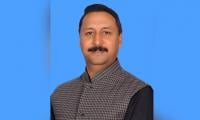 Fuuast’s deputy chair removed from office
 -
 PPP to hold public meeting on 30th to mark foundation day
 -
 Tribute paid to Allama Iqbal as ‘poet of hope’
 -
 KE removes illegal connections in Liaquatabad
 -
 Pharma factory producing banned high-dose opioid drug sealed
 -
 Armed men in law enforcers’ uniform rob house in Faqeera Goth
 -
 Dr Masood Akhtar appointed VC to University of Baltistan