
India is home to the largest number of slaves globally
At least 40 million people worldwide are estimated to be trapped in modern slavery today - more than ever before - as poverty, conflict and crises fuel the growing global slave trade. From men made to work in factories, farms and fishing boats and women forced to sell sex to people exploited for their organs and children sent to beg or forced to marry, human trafficking is one of the fastest growing criminal enterprises.
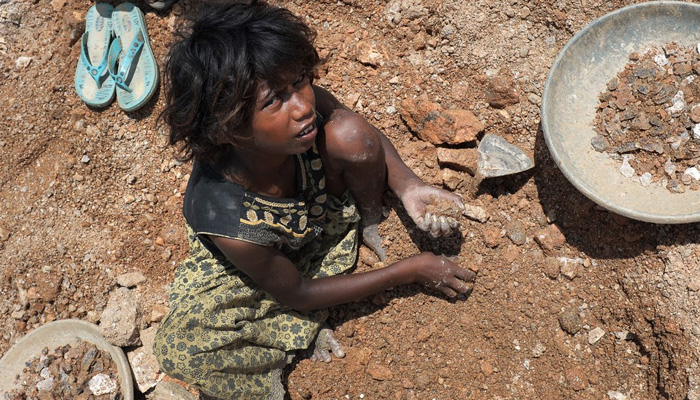
LONDON: At least 40 million people worldwide are estimated to be trapped in modern slavery today - more than ever before - as poverty, conflict and crises fuel the growing global slave trade. From men made to work in factories, farms and fishing boats and women forced to sell sex to people exploited for their organs and children sent to beg or forced to marry, human trafficking is one of the fastest growing criminal enterprises.
North Korea, Eritrea and Burundi are estimated to have the world´s highest rates of modern-day slavery, with India, China and Pakistan home to the largest number of victims.
North Korea has the world´s highest rate of slavery, with about one in 10 people enslaved, followed by Eritrea (9.3%) Burundi (4%), Central African Republic (2.2%), Afghanistan (2.2%), Mauritania (2.1%), South Sudan (1.7%), Cambodia (1.7%) and Iran (1.6%).
India is home to the largest number of slaves globally, with 8 million, followed by China (3.86 million), Pakistan (3.19 million), North Korea (2.64 million), Nigeria (1.39 million), Iran (1.29 million), Indonesia (1.22 million), Democratic Republic of the Congo (1 million), Russia (794,000) and the Philippines (784,000).
The United Nations has designated July 30 World Day against Trafficking in Persons, with the world striving to meet a UN goal to end forced labour and modern slavery by 2030.
Here are some key facts and figures about modern slavery and human trafficking worldwide:
People can be trafficked for various forms of exploitation such as prostitution, forced labour, begging, criminality, domestic servitude, forced marriage and organ removal.
The face of human trafficking is changing, with more children and men falling prey, and more victims trapped in forced labour than a decade ago, the United Nations says.
At least 40 million people are victims of modern slavery worldwide - with nearly 25 million trapped in forced labour and about 15 million in forced marriages.
Almost three-quarters are female - and one in four a child - with modern-day slavery most prevalent in Africa followed by Asia and Pacific.
Human trafficking generates an estimated $150 billion each year in illicit profits for traffickers and slavemasters.
The United Nations´ latest global goals, the Sustainable Development Goals, passed by U. N. member states in 2015, call for the eradication by 2030 of forced labour, modern slavery and human trafficking, and an end to child labour. Sources: Walk Free Foundation, United Nations (Writing by Arantxa Underwood, Editing by Claire Cozens. Please credit the Thomson Reuters Foundation, the charitable arm of Thomson Reuters, that covers humanitarian news, women´s rights, trafficking, property rights, climate change and resilience.



-
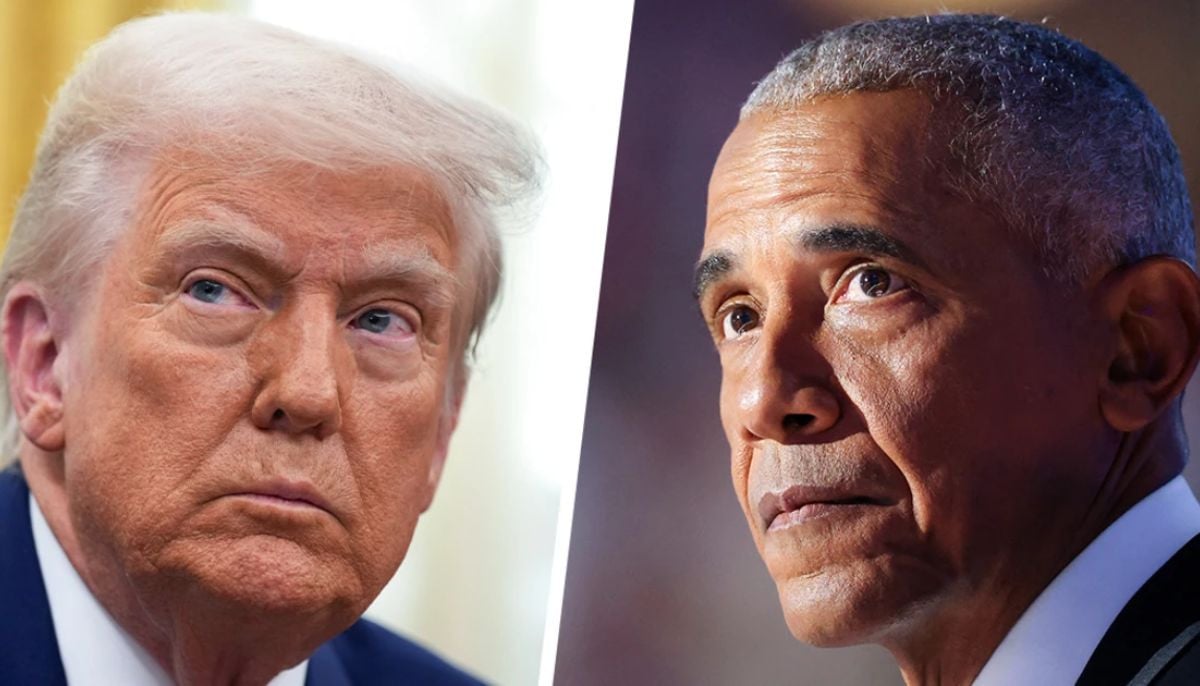 Trump refuses apology for video depicting Obama as apes amid growing backlash
 -
 US appeals court affirms Trump’s immigration detention policy
 -
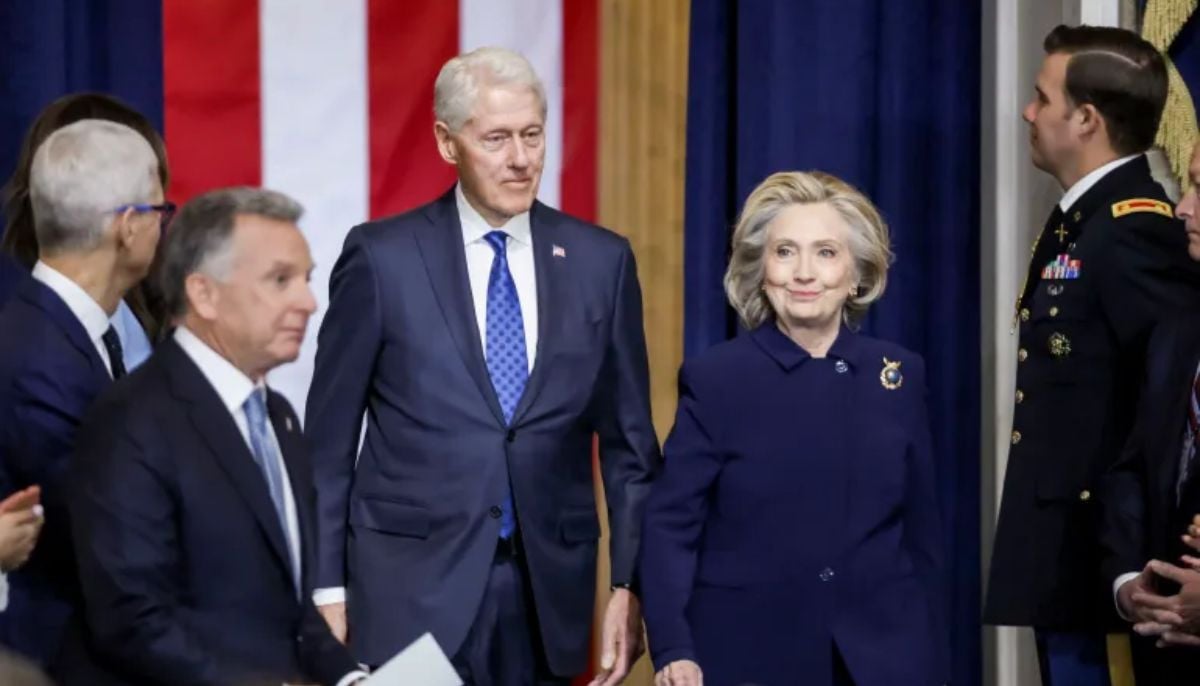 Epstein probe: Bill, Hillary Clinton call for public testimony hearing
 -
 Epstein ties: UK police search properties in probe into Peter Mandelson
 -
 Three killed, several injured after car crashes straight into Los Angeles supermarket
 -
 Inside Jeffrey Epstein's troubling final days before suicide
 -
 Woman, five others accused of plot to kill judge 'to free jailed lover'
 -
 Japan’s cherry blossom festival canceled in Fujiyoshida; Here’s what to know