Chinese scientists make breakthrough in replacing WiFi with LiFi
CHANGCHUN, China: Chinese scientists have made a breakthrough in creating full-color emissive carbon dots (F-CDs), which brings them one step closer to developing a faster wireless communication channel that could be available in just six years.
Light Fidelity, known as LiFi, uses visible light from LED bulbs to transfer data much faster than radio wave-based WiFi.
While most current research uses rare earth materials to provide the light for LiFi to transmit data, a team of Chinese scientists have created an alternative -- F-CDs, a fluorescent carbon nanomaterial that proves to be safer and faster.
"Many researchers around the world are still working on this. We were the first to successfully create it using cost-effective raw materials such as urea with simple processing," said Qu Songnan, an associate researcher at Changchun Institute of Optics, Fine Mechanics and Physics, the Chinese Academy of Sciences, which leads the research.
Qu said rare earth has a long lifespan which reduces the speed of LiFi transmission. However, F-CDs enjoy the advantage of faster data transmission speeds.
In previous studies, carbon dots were limited to the emission of lights such as blue and green. The new nanomaterial that Qu's team has developed can emit all light visible to the human eye, which is a breakthrough in the field of fluorescent carbon nanomaterial.
Qu said this is significant for the development of LiFi, which he expects to enter the market in just six years.
A 2015 test by a Chinese government ministry showed that LiFi can reach speeds of 50 gigabytes per second, at which a movie download can be completed in just 0.3 seconds


-
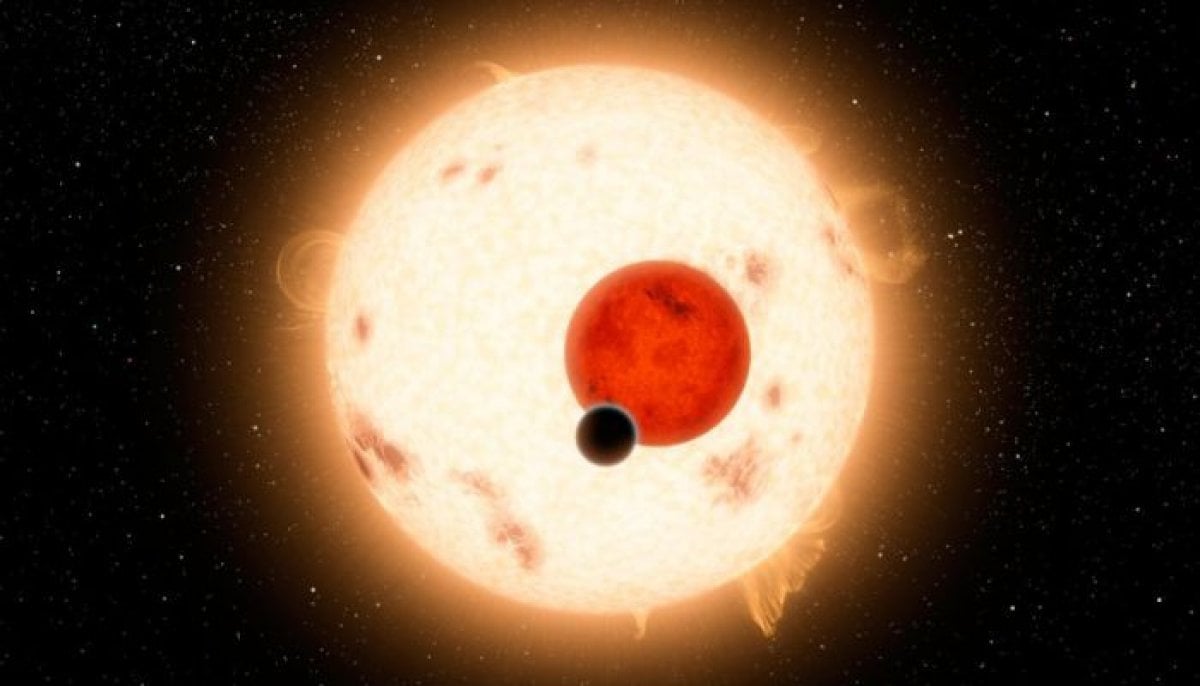 Chinese astronomers discover real-life three-body system unlike Liu Cixin’s fiction
 -
 Hunter’s Moon 2026: When and how to watch October’s full moon
 -
 Elon Musk’s Mars colonization dream faces reality check from Nobel laureate
 -
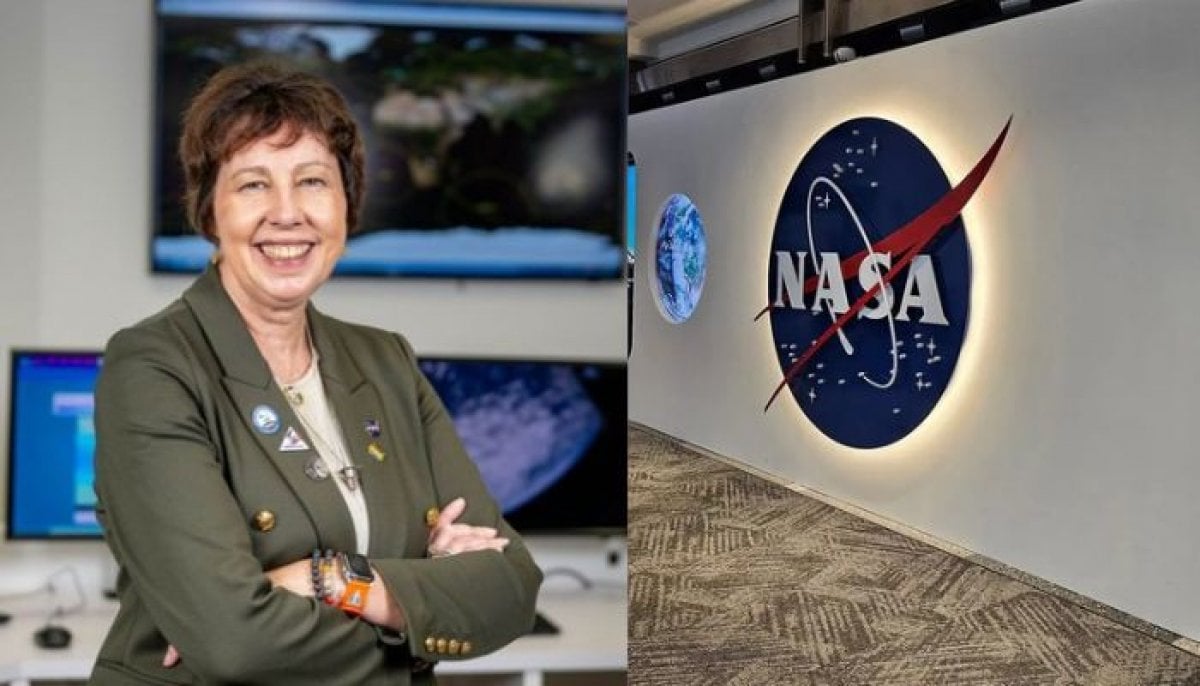 NASA competition model 2.0 cuts mission selection by 45%
 -
 A ‘neglected’ neutrino may hold the key to why the Universe exists
 -
 Can cancer drugs be made in space? Here’s what the new mission aims to find out
 -
 SpaceX Falcon 9 successfully launches Bandwagon-5 mission with 32 payloads
 -
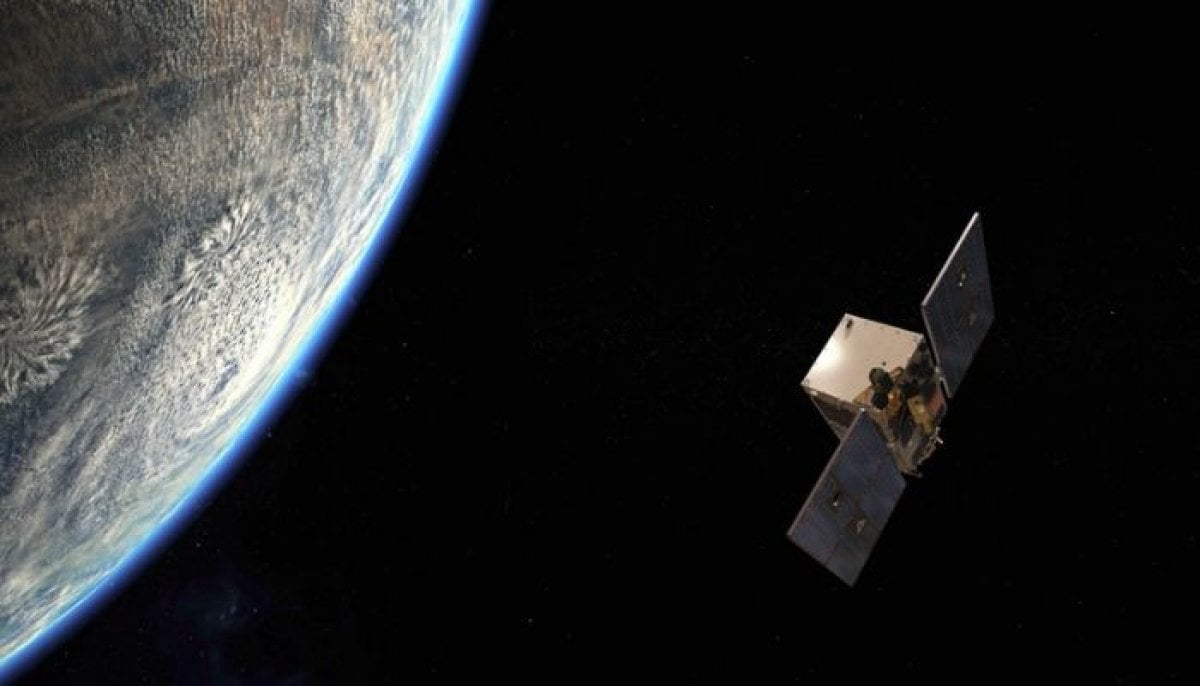 Europe launched 8 orbital rockets last year, can it rival Starlink?