Bin Laden´s son denied entry to Egypt
CAIRO: Osama bin Laden´s son Omar was refused entry to Egypt on Saturday, airport sources said, giving no reason why his name was on a list of people banned from the country.
Omar, 34, Osama bin Laden´s fourth-eldest son, was travelling with his British wife Zaina al Sabah from Doha, and they asked to be sent to Turkey, the sources said.
The couple, who lived in Egypt for several months in 2007 and 2008, were previously denied entry to the country in 2008.Omar bin Laden broke with his father in 2001 after living in
Afghanistan for much of 1996 to 2001.In an interview with Reuters in 2010, Omar said he was working with Saudi Arabia and Iran to end his separation from a group of brothers and sisters that dates back to the chaos in Afghanistan following the al Qaeda attacks of Sept.
11, 2001.Omar said bin Laden´s children were trying to be "good citizens of the world" but suffered from the lack of a father and the stigma of being the al Qaeda leader´s children.
None were part of al Qaeda, he said at the time.
"We are working with the Iranian government and with the Saudi government at the moment to have my mother´s children and grandchildren join us," he said.
Osama bin Laden was killed at his Pakistani hideout by U.S. commandos in 2011 in a major blow to the militant group which carried out the Sept. 11 attacks.


-
 NATO welcomes Greenland security deal after Trump claims US control
 -
 US, China to discuss AI, trade, and rare earths ahead of Trump-Xi summit
 -
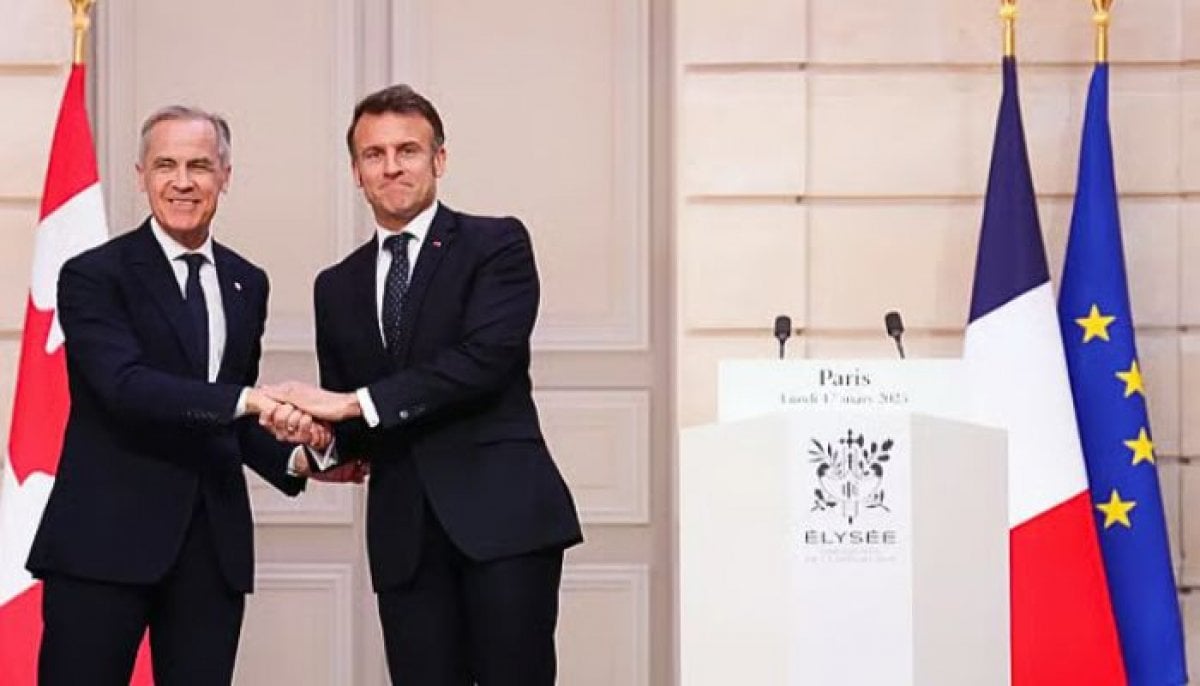 Macron, Carney hold milestone summit in French archipelago amid shifting alliances
 -
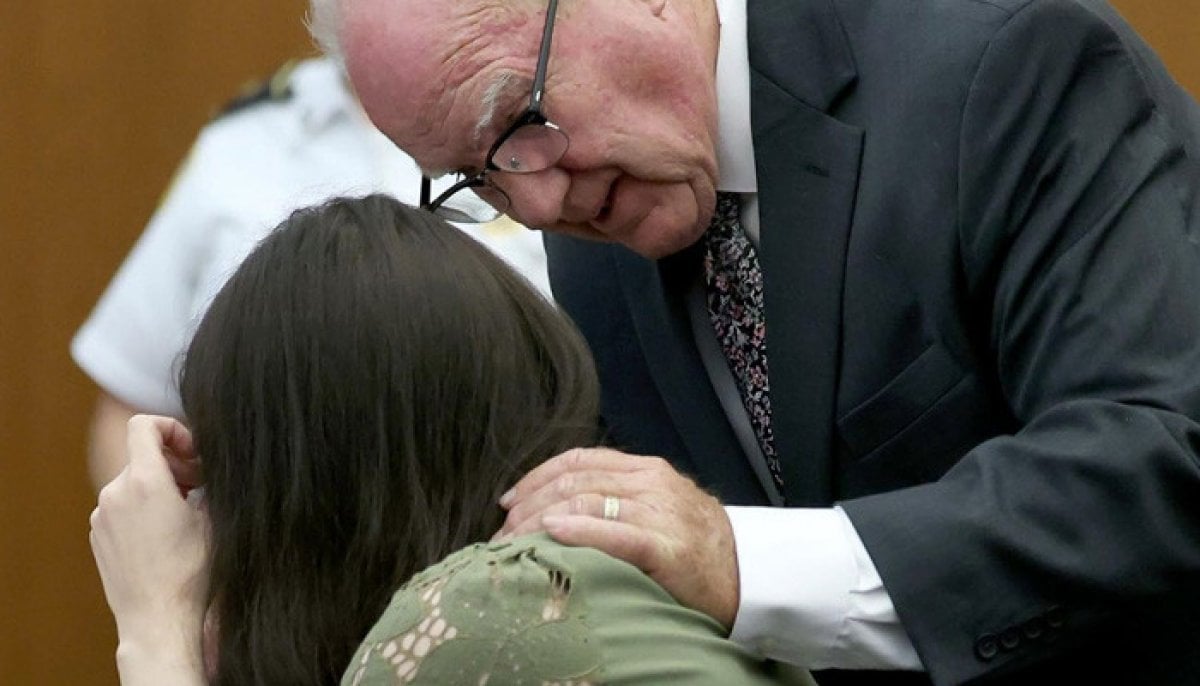 Lindsay Clancy trial: Lone holdout juror faces threats, lawyer claims
 -
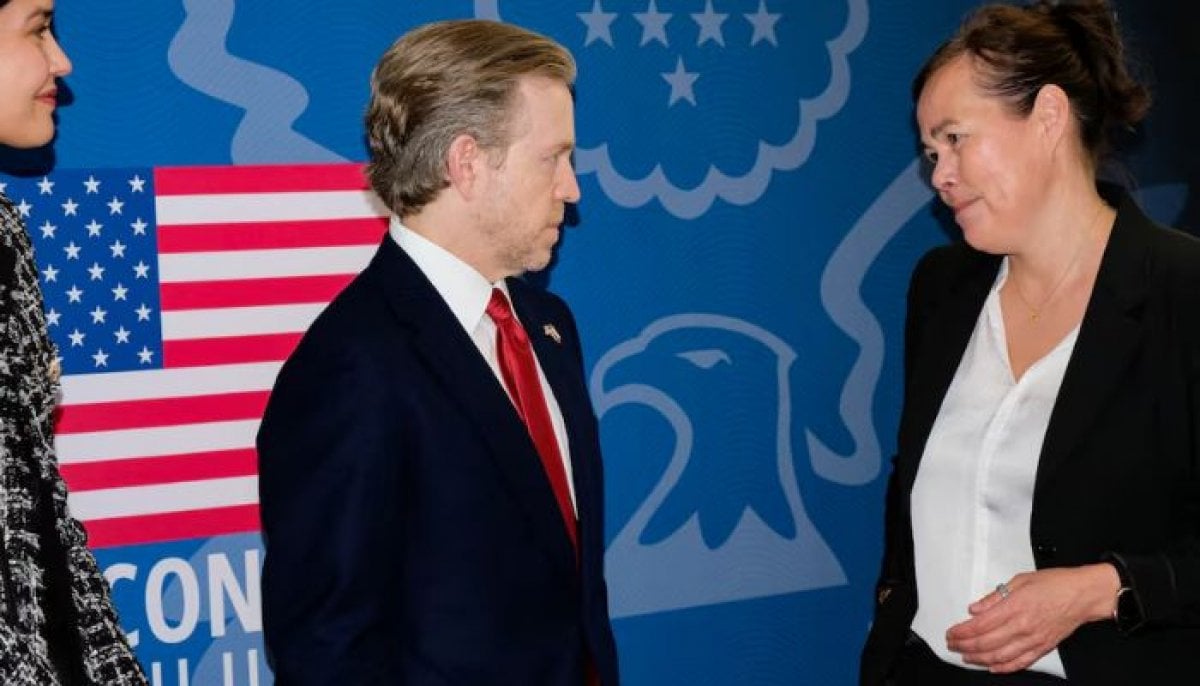 Greenland, Denmark reaffirm Arctic island’s sovereignty after Trump’s ‘permanent control’ claim
 -
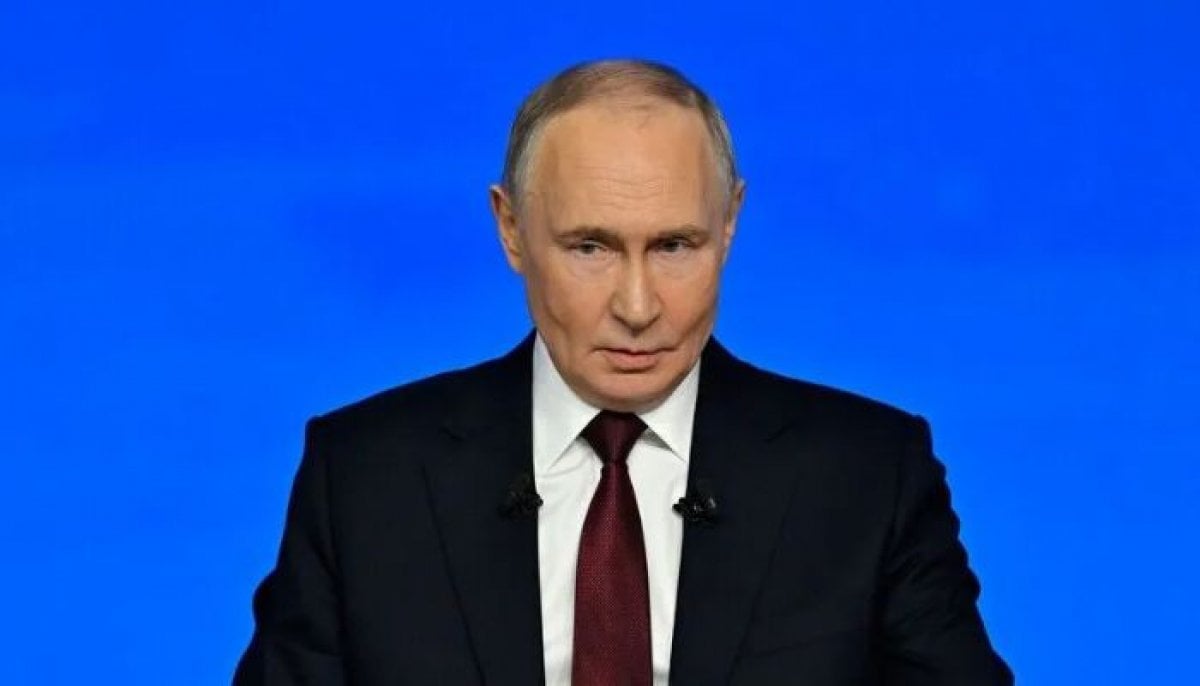 Putin sends message to Europe amid Ukraine conflict: ‘No aggressive intentions’
 -
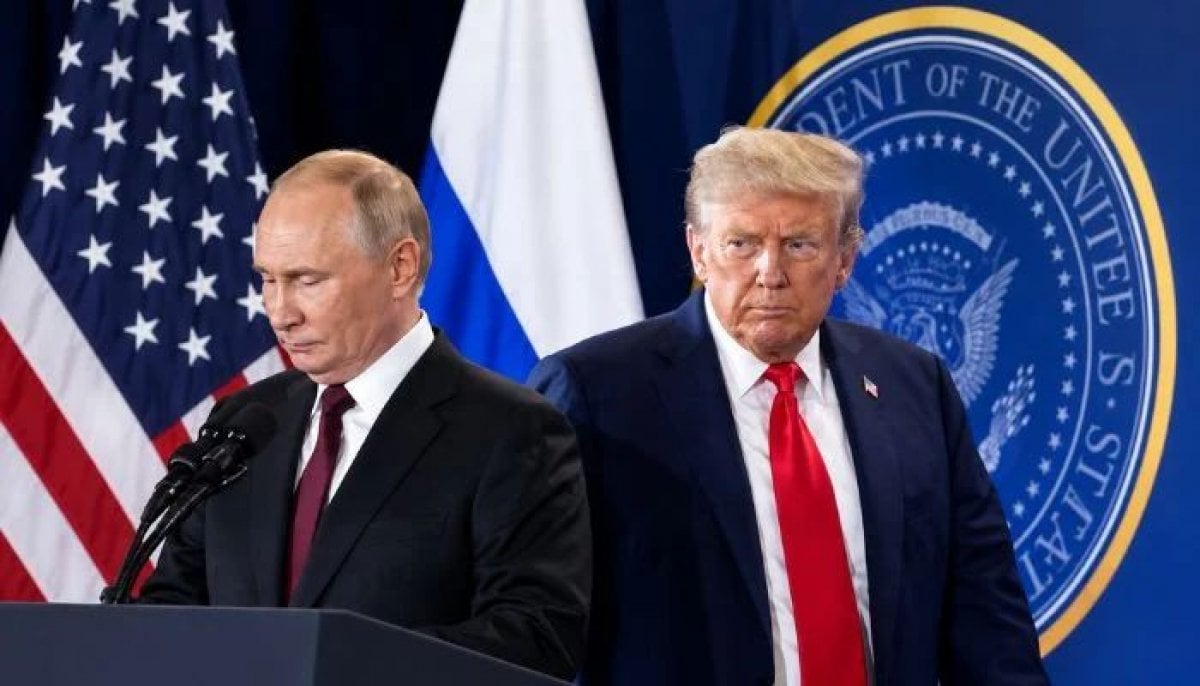 Trump signs Russia sanctions bill into law: Is Ukraine peace deal at risk?
 -
 Trump claims US gains ‘permanent control’ over Greenland security in new Arctic deal
-
 UK pushes EU to include British firms in 'Made in Europe' industrial scheme
 -
Bill aimed at protecting Americans from data centre energy costs blocked in Senate
-
ICE officer, accused of shooting Venezuelan man and lying to investigators, pleads not guilty
-
Trump officials move migrants children to unlicensed Texas facilities, raising deportation fears