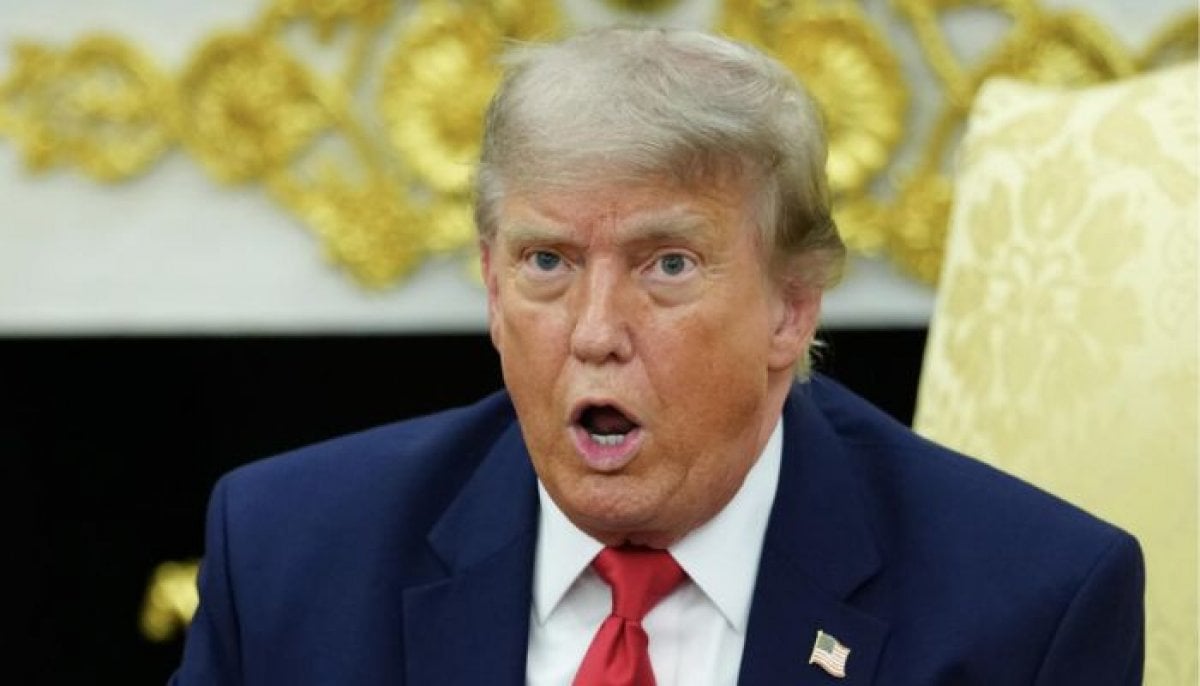
US to produce F-16 in India: Can Trump save American jobs?
NEW DELHI: Saving jobs in America has been the key premise of Donald Trump’s campaign, but now that is being challenged by two defence industry giants Lockheed Martin and Boeing.
According to a report in Washington Post, Lockheed Martin and Boeing have made proposals to the Indian government to manufacture fighter jets — the F-16 Fighting Falcon and the F/A-18 Super Hornet — in India.
In both cases, the aviation companies would be building production facilities in India; Lockheed Martin proposes to move its entire F-16 assembly line from Texas to India, making India the sole producer of the single-engine combat aircraft.
Last Thursday, the president-elect attended a ceremony at a company where his team has brokered a deal to save 1000 jobs. Later, he warned US companies of consequences if they outsource employment.
The proposals have the strong backing of the Obama administration, and Defense Secretary Ashton B. Carter is set to visit India this week.
Although, Lockheed Martin and Boeing claimed that any partnership to manufacture jets in India would not result in a net loss of American jobs but would create Indian employment — about 1,000 positions in the case of Lockheed Martin.
About 300 mechanics on the Fort Worth assembly line would be moved to the F-35 assembly line at the same plant. Others would be given an opportunity to apply for other jobs on the newer F-35, Lockheed officials said, although they concede that some positions would be lost in the move because of attrition or retirements.
Nevertheless, workers in Fort Worth say they are worried about the future.
Pakistan link:
The US Air Force is phasing out the iconic F-16, but airplane remains one of the most widely used aircraft in the world, including Pakistan.
There are about 3,200 F-16s in operation around the world. The manufacturer has promised that India would not only produce and export its jets, but it also would play a “critical role” in supporting the fleet.
A potential stumbling block to the deal is the willingness of the U.S. government to part with enough of its mission system technology to make the package palatable to the Indians.
Another strike against it, for some, is that it is the fighter aircraft used by archrival Pakistan.


-
 US Navy helicopter goes down in Arabian Sea; One missing
 -
 Gun violence rocks World Cup celebration as US city's mayor takes drastic action
 -
 UK woman faces possible lifetime ban from owning dogs over alleged heartless act
 -
 Kemi Badenoch challenges Starmer over £298bn Defence Investment Plan at PMQs
 -
 Trump hails progress in US-Iran talks: ‘Getting along very well’
 -
 Two killed in light aircraft crash in Essex, England
 -
 Trump’s Hormuz operation sparks the biggest rift in US-Saudi relations in years: Here’s why
 -
 Netanyahu seeks to end US financial aid to Israel within decade: What’s behind the plan?
-
 Who is Melat Kiros? Democratic Socialist defeats 15-term incumbent in Colorado primary
 -
How Trump earned more than $1 billion from crypto after returning to the White House: Report
-
Why foreign investors are buying Canadian government bonds in record numbers
-
Police lay charges against 11 teens following Nooran Rezayi shooting investigation