China, Russia to hold further anti-missile drills after U.S. THAAD decision
BEIJING/MOSCOW: China and Russia will hold their second joint anti-missile drills next year, Chinese state media said on Tuesday, after South Korea and the United States angered the two countries with plans to deploy a U.S. anti-missile system in South Korea.
The Chinese and Russian militaries held their first such exercises in May as Washington and Seoul were in discussions over installing the U.S. Terminal High Altitude Area Defense (THAAD) system to protect against any North Korean threats.
THAAD is now due to be deployed on a South Korean golf course, unsettling Moscow and Beijing, which worry that the system's powerful radar will compromise their security and do nothing to lower temperatures on the Korean peninsula.
China and Russia announced the new round of drills for 2017 at a defence forum in Beijing, the official Xinhua news agency said. It didn't give further details.
The Global Times, a popular nationalist tabloid run by the ruling Communist Party's People's Daily, cited a senior Chinese military official criticising the THAAD plans before announcing the new round of drills.
"The United States' blind development of anti-missile systems that exceed demand and its search for absolute unilateral military superiority inevitably damage global strategic equilibrium and gravely harm major powers' strategic trust," Major General Cai Jun said.
"China and Russia are in close communication on next year's exercises," Cai, the vice head of the Central Military Commission Joint Staff Department's warfare bureau, said.
The paper also cited Cai as saying that the THAAD deployment "could lead an arms race into space".
This year's drills were held at a Russian military research centre and were intended to help the two militaries familiarise themselves with their respective command structures and data transmission processes, state media reported at the time.
Tension on the Korean peninsula has been high this year, beginning with North Korea's fourth nuclear test in January, which was followed by a satellite launch, a string of tests of various missiles, and its fifth and largest nuclear test last month.


-
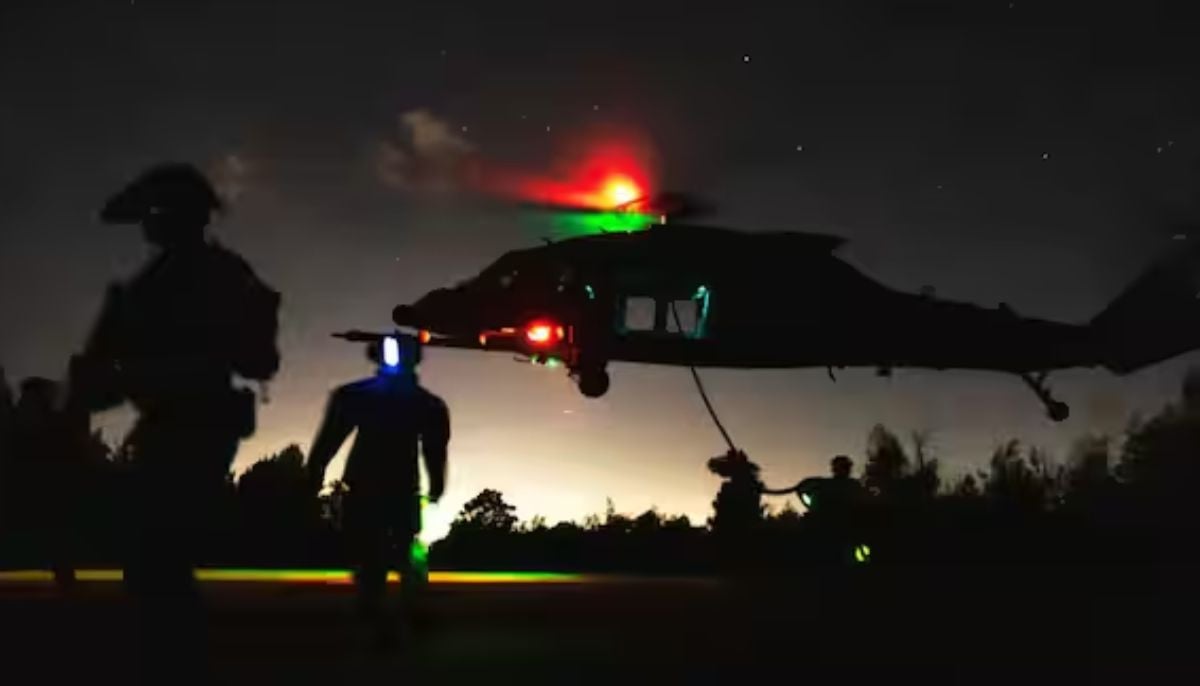 Ghost Murmur explained: How CIA’s secretive device tracked heartbeat of US airman from behind enemy lines
 -
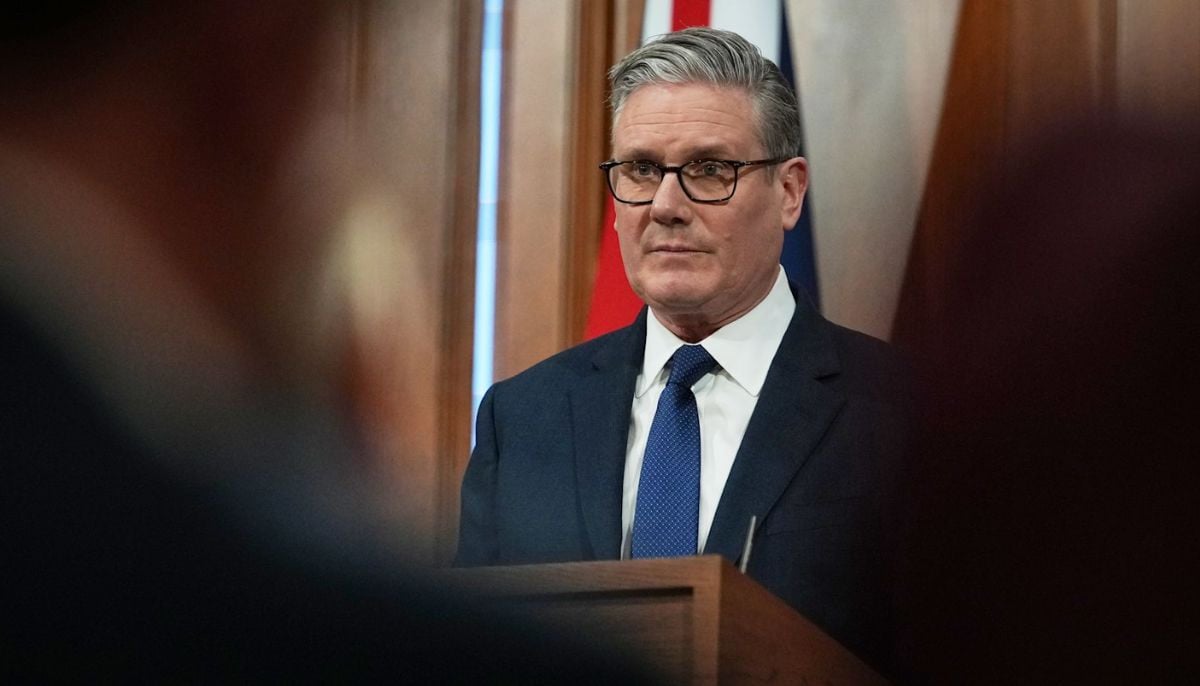 UK PM Keir Starmer heads to Middle East after US-Iran ceasefire deal
 -
 Trump says US to ease Strait of Hormuz traffic crisis
 -
 Dianna Russini and Mike Vrabel break silence after their leaked photos spark speculation online
 -
 American woman missing in the Bahamas: recovery mission underway after tourist disappears at sea
 -
 WI election results: Chris Taylor defeats Maria Lazar to flip balance of Wisconsin Supreme Court
 -
 Georgia elections: Clay Fuller victory strengthens Republican majority after runoff win
 -
 Oil price falls sharply as stocks surge upon Iran ceasefire and Strait of Hormuz reopening
-
 US and Iran agree ceasefire as Strait of Hormuz reopens under two-week deal brokered by Pakistan
 -
Rebecca Black makes rare comments about Erika Kirk
-
A whole civilization will die tonight’: Trump's Truth Social post interpreted
-
Kanye West banned: Keir Starmer blasts Wireless Festival for giving slot to controversial rapper