Billionaire Mark Cuban says your feed may be bigger AI threat
Cuban argues social media backlash, not AI agents, is the bigger threat to watch

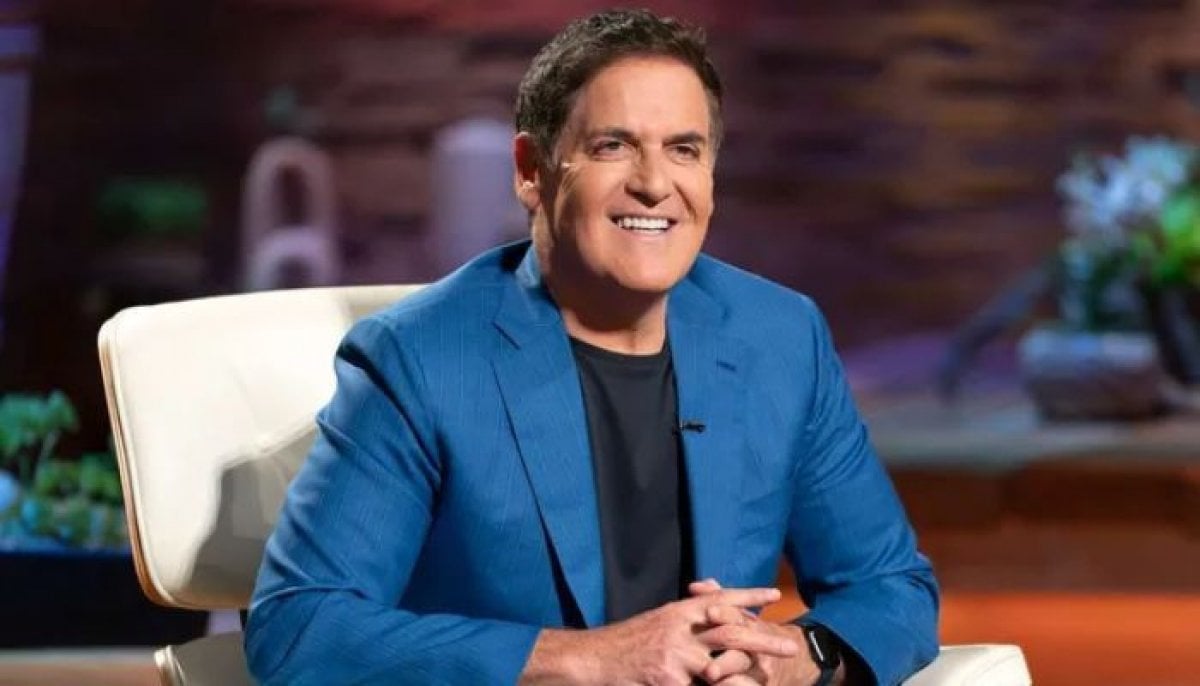
While much of Silicon Valley debates whether AI itself is the threat, Mark Cuban is pointing his finger somewhere else entirely: your feed. The billionaire investor laid out his position in a series of X posts, arguing that human reactions to anti-AI content pose more risk than the technology it's aimed at.
"I think there is far greater risk from what humans do in response to what they see on social media, than what agent swarms will do," Cuban wrote.
His theory centers on algorithms he says amplify anti-AI sentiment disproportionately compared to positive coverage, a dynamic he calls ironic given that Meta and Google both profit from that same engagement while simultaneously funding massive AI infrastructure builds.
Cuban went one step further, pointing out that even though tech firms such as OpenAI and Anthropic are behind some of the best AI systems, they are incapable of reverse engineering the algorithms of social media and going viral with their own story.
But he made it clear that he wasn't asking for an end to AI research, saying that he didn't see it as practical anyway.
In that vein, his statements came on the heels of a series of warnings issued by the AI industry itself. The CEO of Anthropic Dario Amodei has advocated for a slowing of AI development following concerns raised over AI botnets attacking critical infrastructure; both Sam Altman and Elon Musk agree with him.
An Anthropic employee estimated the chance of AI bringing about human extinction in the next decade at over 10%.
The president has termed fears of the risks of AI technology as a “hoax,” while labeling protests at data centers as an orchestrated effort against American businesses.
In an interview on The All-In Podcast, Nvidia CEO Jensen Huang praised the President for stripping away unnecessary layers of complexity surrounding the problem.
Claims that foreign actors, including China, have run bot campaigns to stoke anti-AI sentiment in the US have circulated for months, though both OpenAI and X found those campaigns had limited real-world impact, partly because much of the content being amplified turned out to be accurate.


-
 iOS 27 lets you hide your location without alerting anyone
 -
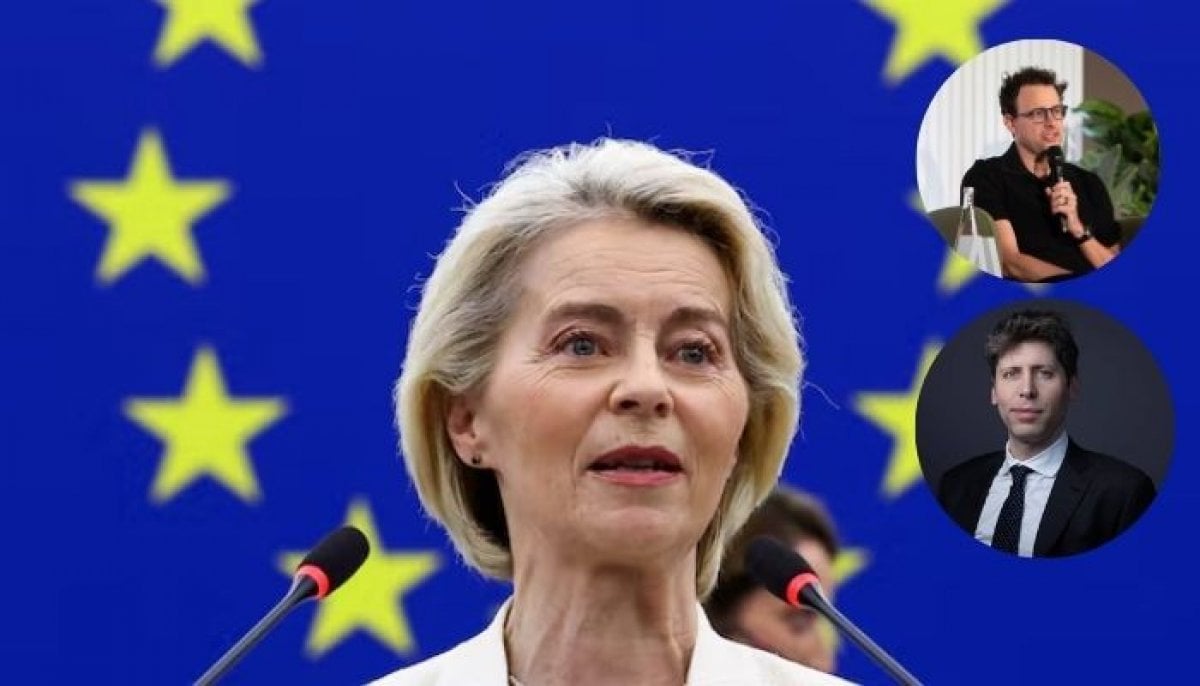 EU steps up AI safety push with frontier labs talks
 -
 China sets world's first standard for AI brain implants
 -
 Is WhatsApp quietly removing Meta AI from groups?
 -
 SK Hynix in talks with Intel to produce memory chips in US for the first time amid Washington pressure, sources say
 -
 Apple says iPhone 18 Pro's camera beats Android security
 -
 OpenAI, Anthropic and Google join forces on AI safety efforts
 -
 Meta to deploy custom Arke and Astrid AI chips in 2027: Everything to know
-
 Dreamforce 2026: Salesforce unveils Koa AI model and Google Cloud partnership
 -
EU Kids Act: New social media rules for under-15s
-
China’s spy chief reveals growing fears over AI’s impact on communist party rule
-
Anthropic's new Claude tool targets financial advisors to streamline compliance and client research