Why Mark Zuckerberg isn’t backing calls to slow down AI development
Zuckerberg also shed light on how to build a positive future for humanity
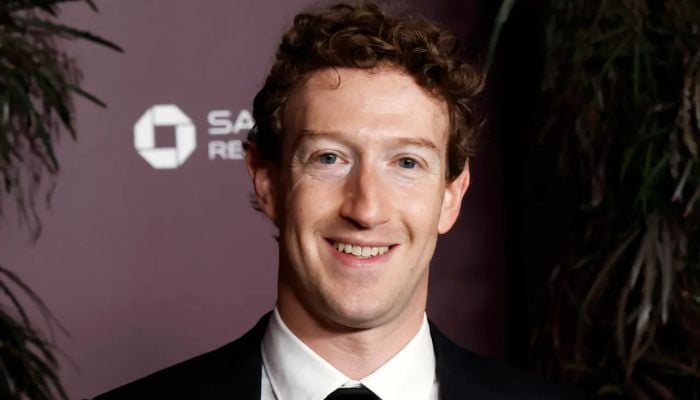
Mark Zuckerberg has recently responded to the growing calls aimed at slowing down AI development stemming from artificial intelligence-driven extinction of humanity.
When most tech moguls and firms are pushing to implement robust guardrails to shield humanity from destructive impacts of rapidly evolving AI models, Zuckerberg took a stance that doubles down on AI progression instead of curbing it, mirroring the perspective shared by Nvidia’s Jensen Huang.
Taking to X, Meta CEO emphasized that competition and liability give AI companies “enough reason to act individually on safety.”
“Every lab has the responsibility and incentive to move at the pace required to train its models safely, and the ability to take its own actions to ensure that happens,” he wrote.
He also raised concerns that if the AI labs face to focus on alignment, they will risk falling behind. “My view is that trust and alignment are quickly becoming the most important capabilities that will differentiate agents and models. Any lab that doesn't focus on alignment will fall behind.”
“Labs face significant liability if their models cause harm, so they have a strong incentive to prevent this as well.” He believed that AI companies are incentivised to prevent and tackle potential problems, because in this matter, they have more to lose if they don’t act on safety issues. He related the delayed shipping of Muse technologies with the company’s strategy to deal with security issues.
He continued, “Committing the significant majority of compute towards serving people rather than racing towards recursive self-improvement is one of the best ways to ensure we develop this technology safely.”
Zuckerberg also shed light on how to build a positive future for humanity. According to him, the key lies in maintaining balance of power and this is in everyone’s capacity to ensure it.
Meta’s boss comments also reflect a split among tech executives and US authorities. For instance, Jensen Huang also argued against slow AI development, urging “run as fast as you can.”
However, Anthropic, OpenAI and Elon Musk are sticking to the viewpoint of reigning in technology that poses existential risk to humanity due to its unprecedented self-improving capabilities.




-
 Mike Rogers defends skipping debate event with Abdul El-Sayed after getting roasted
 -
 UN leadership accepts Trump nominee Luke Lindberg to head World Food Programme and manage global food aid crisis
 -
 Trump erupts at Kennedy Center board meeting after judge blocks plan to add his name
 -
 Carney turns to Europe for deeper economic and security ties amid US trade spat
 -
 KNBC helicopter crashes and bursts into flames in Los Angeles, killing three
 -
 US EPA unveils sweeping power plant carbon limit rollbacks at G20 meeting to prioritize grid reliability
 -
 Savannah Guthrie makes another emotional plea to Nancy's kidnappers
 -
 'Hang Lindsay Clancy': GOP rep calls for mom-of-three's public execution
-
 Royal family shares Princess Astrid's funeral plan
 -
Italian Senate clears PM Giorgia Meloni electoral reform bill to overhaul voting system and establish majority bonus thresholds
-
US Senate advances landmark crypto bill to set new digital asset boundaries
-
Russia-Ukraine energy truce? Kremlin welcomes Trump's proposal with 'conditions'