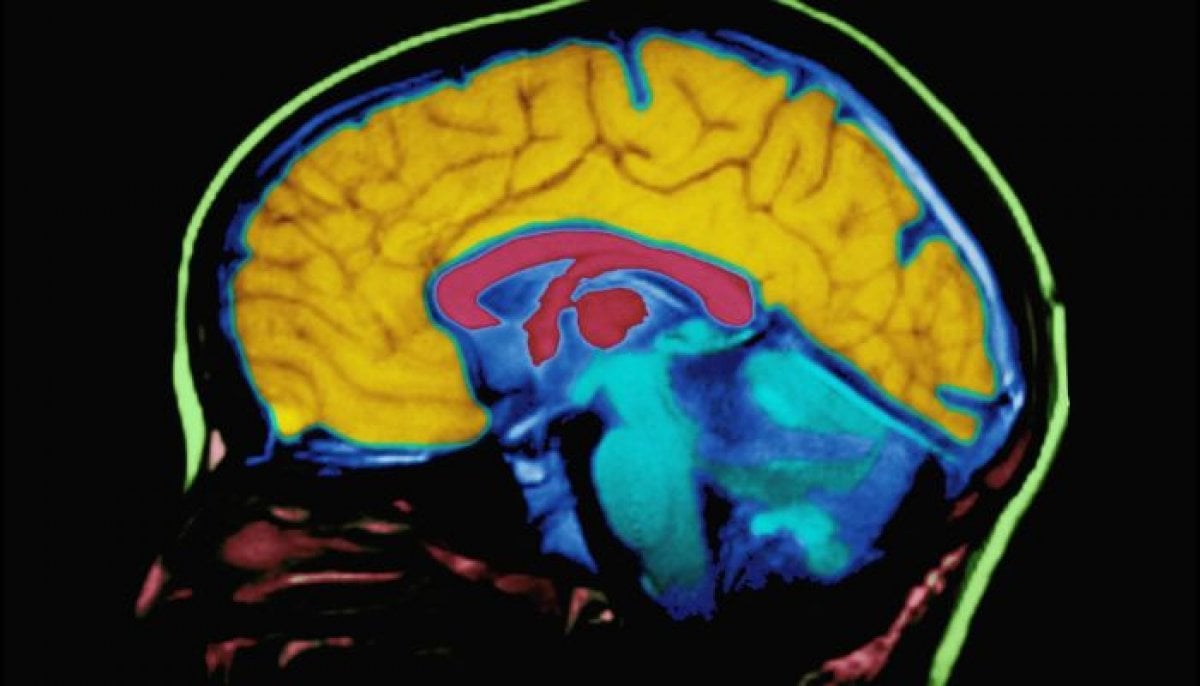
Scientists solve mystery behind a brain ‘switch’ linked to weight loss
The study findings help scientists to develop obesity treatments that work together to achieve a better result

Cambridge researchers in a breakthrough, have made a surprising discovery about why both activating and blocking the same brain receptor can promote weight loss.
The research study has advanced metabolic therapies that are more effective and works better in combination.
The study was published in Nature Metabolism and hinges on which part of the brain is specifically targeted. Recent discovery was made because activating the receptor in the brainstem diminished appetite while blocking the same receptor in the hypothalamus, producing a significant body mass reduction.
Notably, more than a billion people around the world are living with obesity. It has been observed recently that a new generation of weight-loss medications has surfaced lately that acts on specific receptors involved in appetite.
On the contrary, obesity treatments act on both GLP-1R and another receptor known as the glucose-dependent insulinotropic polypeptide receptor (GIPR) with the recent challenge presented to scientists to solve an unusual puzzle.
Some medications including Mounjaro and Zepbound activate GIPR while MariTide blocks it. The results showed that despite producing opposite effects on the same receptor, both help in promoting weight loss. To identify the brain responsible for the effects, the team used region genetically modified mice in which GIPR had been removed from targeted areas.
In this connection, the study’s first author from the Institute of Metabolic Science at the University of Cambridge, Dr. Jo Lewis said: “ Understanding which brain circuits respond to these medications could help us design better drugs that produce more weight loss with fewer side effects.”
Nonetheless, the research team found that blocking GIPR promoted weight loss through the hypothalamus. GIPR functions as a kind of brake that restricts how strongly the brainstem responds to appetite suppression; however, blocking the receptor increases their potency by allowing fullness signals to have a stronger effect.


-
 University of Nottingham researchers say new gel could regrow tooth enamel in weeks
 -
 New Chinese drug extends stroke treatment window from hours to 2 days: study finds
 -
 Trump’s FDA nominee Heidi Overton defends vaccines, contradicting his claims
 -
 New once-weekly insulin injection for type 2 diabetes wins FDA approval
 -
 Study identifies key cause of fatigue and brain fog
 -
 Apple’s screenless fitness tracker plans revealed: What to know
 -
 Rabies concerns grow in US, sparking health warnings over fatal virus
 -
 This popular cooking garnish may offer surprising benefits for brain health