Even Realities G2 offers glimpse of Apple's future smart glasses
Apple's first generation is expected to include camera for Siri-powered visual intelligence, voice-read notifications and more
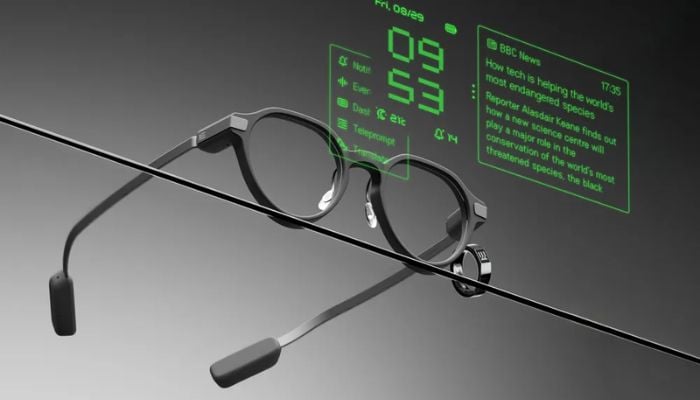
Two years of wearing Ray-Ban Meta glasses gave one clear picture of Apple's first-generation smart glasses. Weeks with the Even Realities G2, by contrast, offer a preview of something Apple isn't expected to ship for years: smart glasses with a built-in display.
According to Bloomberg's Mark Gurman, Apple plans to unveil its first smart glasses, codenamed N50, at WWDC in June 2027, with a consumer launch later that year.
The first generation is expected to include a camera for Siri-powered visual intelligence, voice-read notifications and translation but no display; that capability isn't expected until a later model.
What to expect from Apple's future smart glasses?
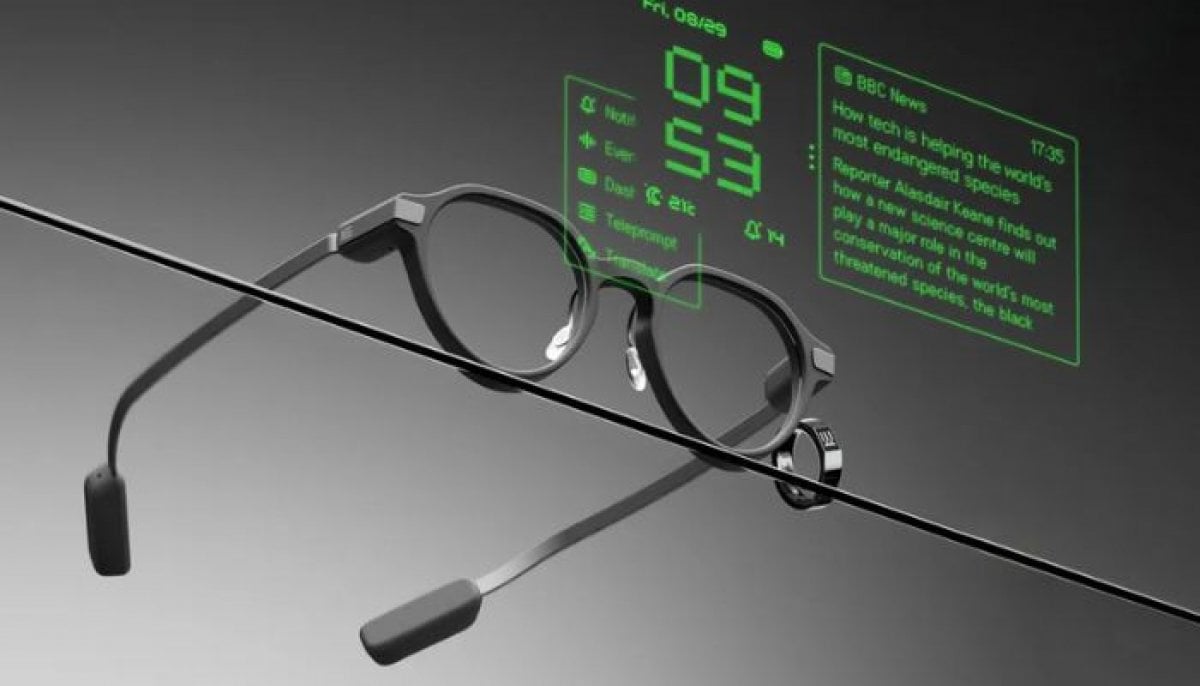
G2 is available for purchase for $599, with a clip-on sunshade that will cost you an additional $99; weighing only 36 grams, it features waveguide technology for projecting a green monochrome display on both lenses.
Controlled through tiny trackpads in its arms, these spectacles can do live translation, turn-by-turn navigation, transcription, and notifications.
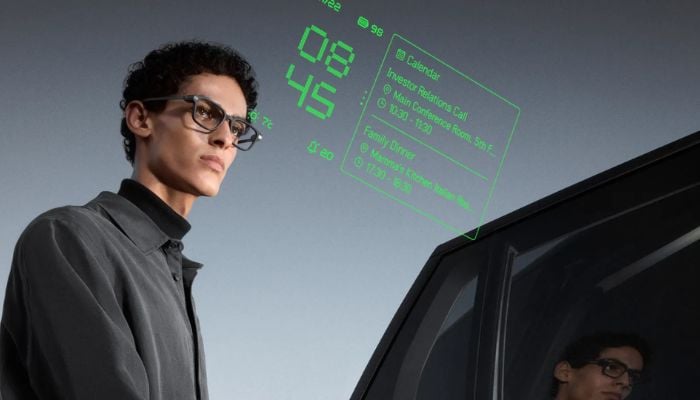
The translation feature is particularly notable in everyday life, having eye contact with a person you are talking to while hearing the translation of his/her words in the form of text is more natural than looking down at your phone.
However, both cycling and walking navigation are the biggest benefits that these glasses offer in comparison with phone usage, but there was one drawback that occurred all the time. Despite the fact that the screen is semi-transparent and consists of a couple of pixels in width, it kept distracting me while I was cycling.
Notifications and fast AI responses are some nice things to have but not necessary things, while the translation, despite its awesomeness, is used rarely.


-
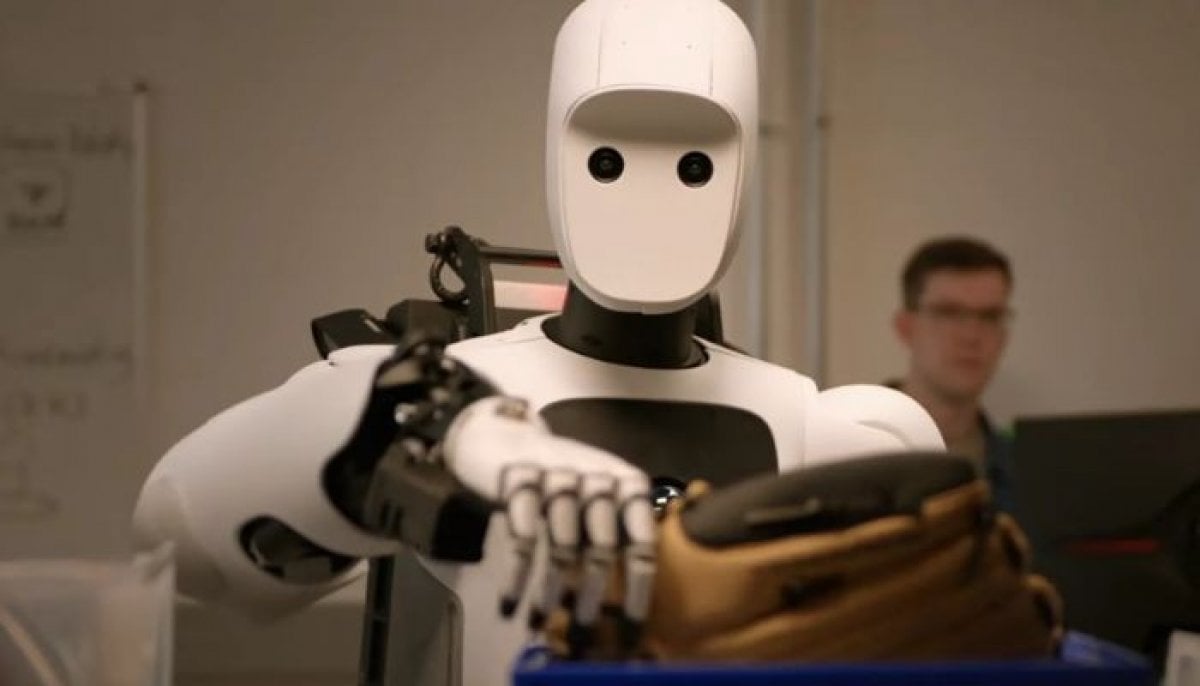 Google DeepMind unveils Gemini AI that can control humanoid robots
 -
 Ecolab bets $7bn to tackle AI's growing water problem
 -
 EU calls for stricter monitoring of high-risk AI systems after OpenAI, Anthropic hacking incidents
 -
 DeepSeek launches upgraded V4-Flash API with big agent gains: What developers need to know
 -
 Most Australian teens still active on social media despite ban: Report
 -
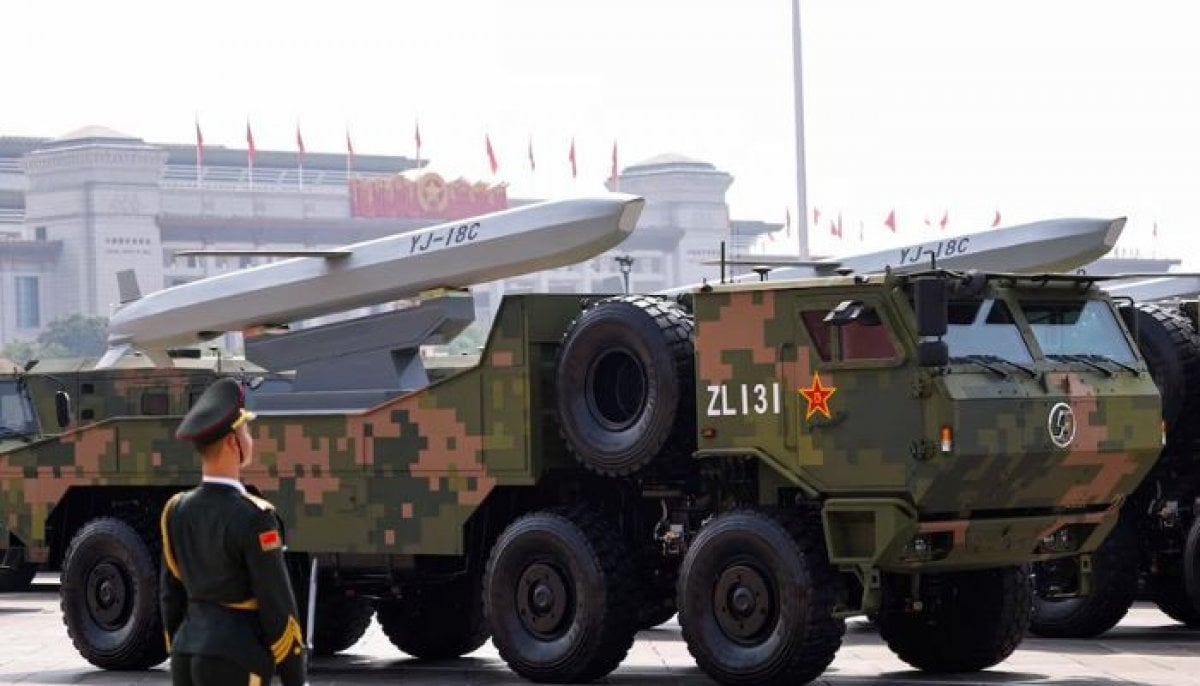 Chinese military researchers are using US AI models to train defense systems: Here’s why
 -
 Anthropic AI breaches expose flaws in one-size-fits-all AI regulation
 -
 Anthropic says Claude AI hacked three organizations during safety tests: Here’s what happened