EU targets waste incineration plants with new carbon emissions costs
The planned measure would bring waste incineration plants into the EU’s carbon market, increasing pressure to reduce emissions and improve waste management
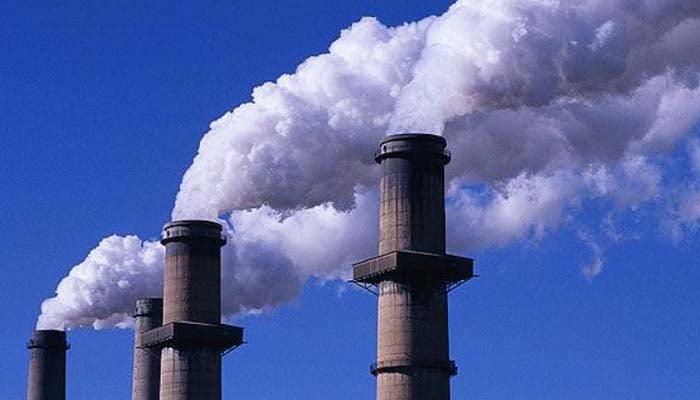
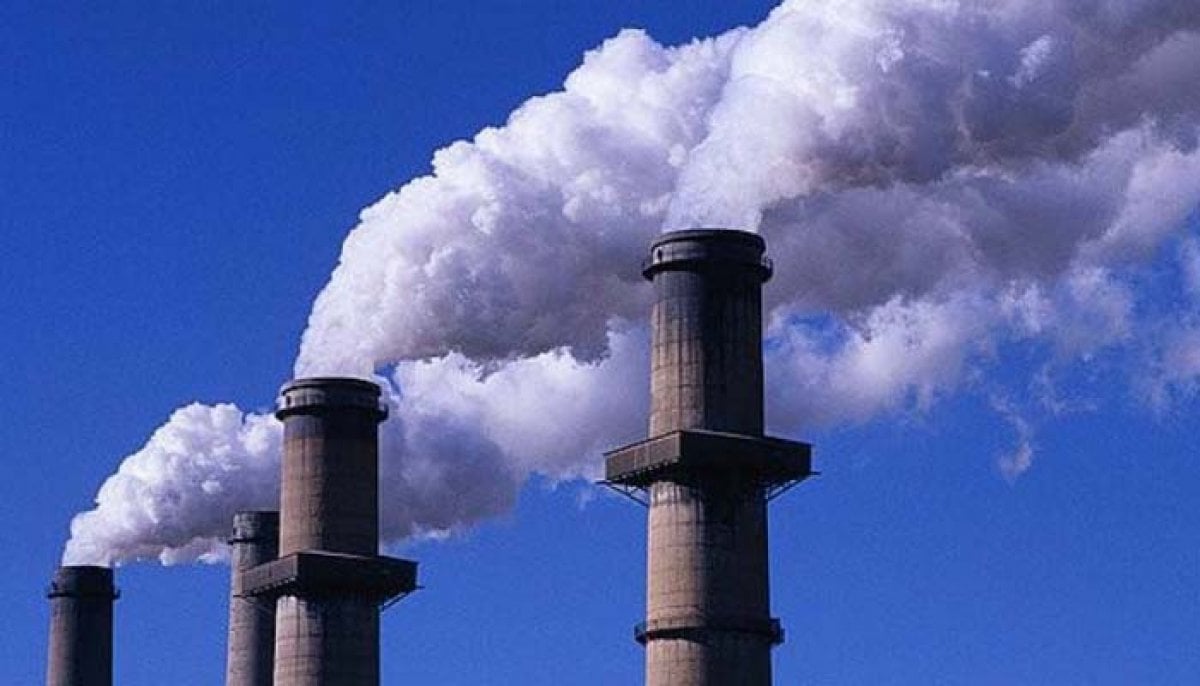
The European Union is planning to bring waste incineration plants into its carbon pricing system.
The proposal is part of the EU's broader effort to achieve climate neutrality by 2050 and strengthen its emissions reduction policies.
Under the new proposal waste incineration plants in Europe will have to pay for their carbon dioxide emissions under the EU plans to add the industry to the bloc's emissions trading system.
As reported by EU officials on Wednesday, these facilities would have to pay for the greenhouse gas emissions they produce.
The plans, which aim to incentivize reuse of material, limit waste, and push operators to invest in emission-capturing technology, have met strong opposition from the industry, which argues they will unfairly penalize incinerator owners rather than the companies producing non-recyclable plastics.
As informed, Industries covered by the EU ETS policy have to buy permits when they emit CO2, a system that creates a financial incentive to emit as little as possible.
According to EU officials, the plans are not yet final and are still under debate.
"We know that this is not universally supported in Europe, so we're looking at how to introduce this progressively," said one of the European Union officials linked to the proposal.




-
 Trump reignites Greenland row at NATO summit
 -
 Trump leaves NATO chief Mark Rutte red-faced over Albania PM’s shoes
 -
 Climate change threatens to squeeze Italy’s growth, deepen debt vulnerability
 -
 Marine Le Pen launches Presidential campaign amid cheers, boos after guilty verdict
 -
 Oil prices jump 6%, stocks tumble after Trump says Iran MoU is ‘over’
 -
 Trump says Memorandum of Understanding with Iran ‘is over’: What it means for US-Iran relations
 -
 Trump orders complete ‘trade cutoff’ with Spain: Here’s why
 -
 US Navy names missing commander after Arabian Sea helicopter crash