How Android phones warned users seconds before Venezuela's earthquake
At least 164 people die in Venezuela earthquakes as rescuers search collapsed buildings

When magnitude 7.2 and 7.5 earthquakes devastated Venezuela on Wednesday, Android users reported receiving Google alerts before the ground shook, a technological feat enabled by a distributed network of 2 billion smartphones operating as seismic sensors.
All smartphones that run on the Android operating system have an accelerometer which serves as a sensor that rotates the screen. This sensor is capable of detecting the vibrations of the ground due to earthquakes.
How did Android phones warn users about Venezuela's earthquake?
In case a smartphone detects earthquake-like vibrations, it automatically sends information about the detected vibrations along with the location to the Google server.
Once Google’s algorithm detects similar vibrations in multiple smartphones within a certain time period, the algorithm decides that an earthquake is happening and sends notifications to people who may be in danger.
The mechanism of timing for early warnings depends on the principles of physics, which are based on the fact that there are two kinds of waves created during an earthquake, and their speeds differ tremendously. P-waves (primary waves) have a speed of about 6 kilometres per second and create no shaking. S-waves (secondary waves) go at the speed of 3-4 kilometres per second and create destruction.
Android phones detect P-waves and transfer information about them to the Google servers through the mobile data and Wi-Fi connection. The speed of electromagnetic waves is close to light; therefore, the alert can be issued prior to the arrival of S-waves.
Android's system send two notification types. "Be Aware" alerts warn of light shaking, while "Take Action" warnings precede moderate-to-heavy tremors and include safety guidance, estimated magnitude, and epicentre location.


-
 Australia eyes AI as major foreign policy challenge to gobal democracy
-
 EU Commission shuts down EU Academy after cyberattack data leak
-
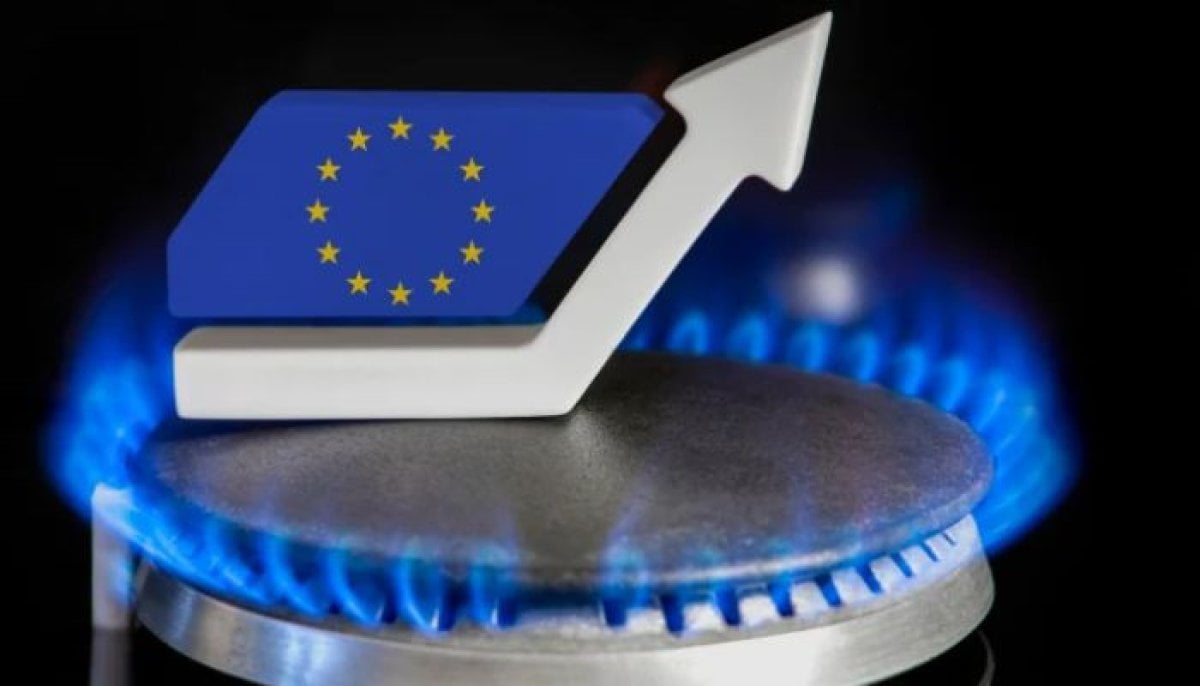 European natural gas prices surge 8.6% as forecast cold snap deepens winter supply fears
-
 China-linked hackers suspected in major EU Commission cyberattack: Report
-
 Brexit: Andy Burnham hails ‘landmark’ UK-EU reset deal as parliament’s biggest growth boost
-
 Germany on alert as 450 schools receive bomb threats, police respond
-
 Emmanuel Macron proposes reviving constitutional fiscal rules to calm French debt fears
-
 Bayer shares drop after Roundup settlement gets court approval
-
 NATO warns Russia could launch nuclear-armed satellite as early as December: Report
-
COP31 failure: Can countries find alternatives to UN climate talks?
-
Calgary man faces sentencing after admitting online threats against Mark Carney
-
COP31 Climate Talks: Countries react after summit collapses without a deal