First global rulebook for autonomous ships to arrive on July 1
IMO's non-mandatory MASS Code publishes on July 1, setting groundwork for a binding global framework for remotely operated vessels by 2032

The shipping industry is on the cusp of its first internationally agreed safety framework for crewless vessels, with the International Maritime Organization set to publish the Maritime Autonomous Surface Ships Code on July 1.
This non-mandatory code introduces the first internationally agreed-upon framework for remotely controlled and autonomous cargo ships, covering issues such as legal liability in case of an accident involving an unattended ship on the seas, as well as how to perform crew tasks related to firefighting, cargo handling, ship maintenance, and lookout when there are no people onboard.
The IMO has identified four degrees of autonomy for vessels, mirroring the framework used for self-driving cars. Degree one involves crew on board with some automated systems.
Degree three is remotely operated, and degree four does not have any human intervention at all. Among the most urgent issues regarding this code are those that arise with degrees three and four, especially the legal issue of liability for a completely autonomous ship.
The publication of July is non-mandatory and is meant to provide both parties with a learning experience prior to implementing the mandatory rule.
The mandatory Marine Autonomous Ship (MASS) Code will be adopted in 2030 and will take effect from January 1, 2032. This gives the maritime community six years to prepare for it.
The UK's Maritime and Coastguard Agency played an active role in developing the code through IMO working groups. "The maritime industry is inherently global, so progress towards a harmonised regulatory framework is vital to support consistency, fairness and, most importantly, safe operations internationally," said MCA assistant director for Future Technical Standards Leanne Page.
The first-ever autonomous and zero-emissions electric cargo ship is none other than Norway’s Yara Birkeland, which has begun commercial operations by transporting fertilisers from a plant to the port of Brevik in a deep-sea container ship.


-
 Lindsay Clancy legal team seeks investigation into lone holdout juror
 -
 Paramount and states reach deal over Warner Bros. merger lawsuit
 -
 Natalie Harp behind Trump's ban on CNN, MS NOW and Politico at White House
 -
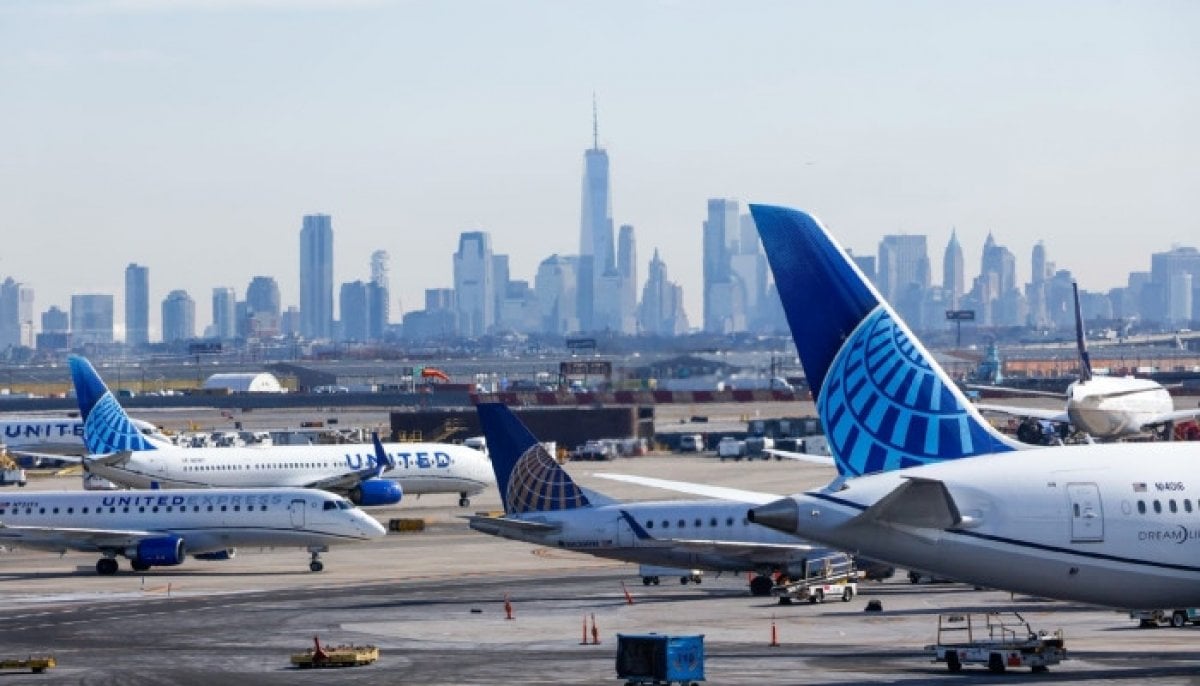 Flights halted at Philadelphia, Newark and Teterboro airports due to equipment outage
 -
 US working on major Belarus potash deal that could undercut Canada, Trump says
 -
 Putin’s United Russia wins landslide as 49 Ukraine war veterans enter parliament
 -
 Converse apologises after Karina ad sparks backlash over alleged racist imagery
 -
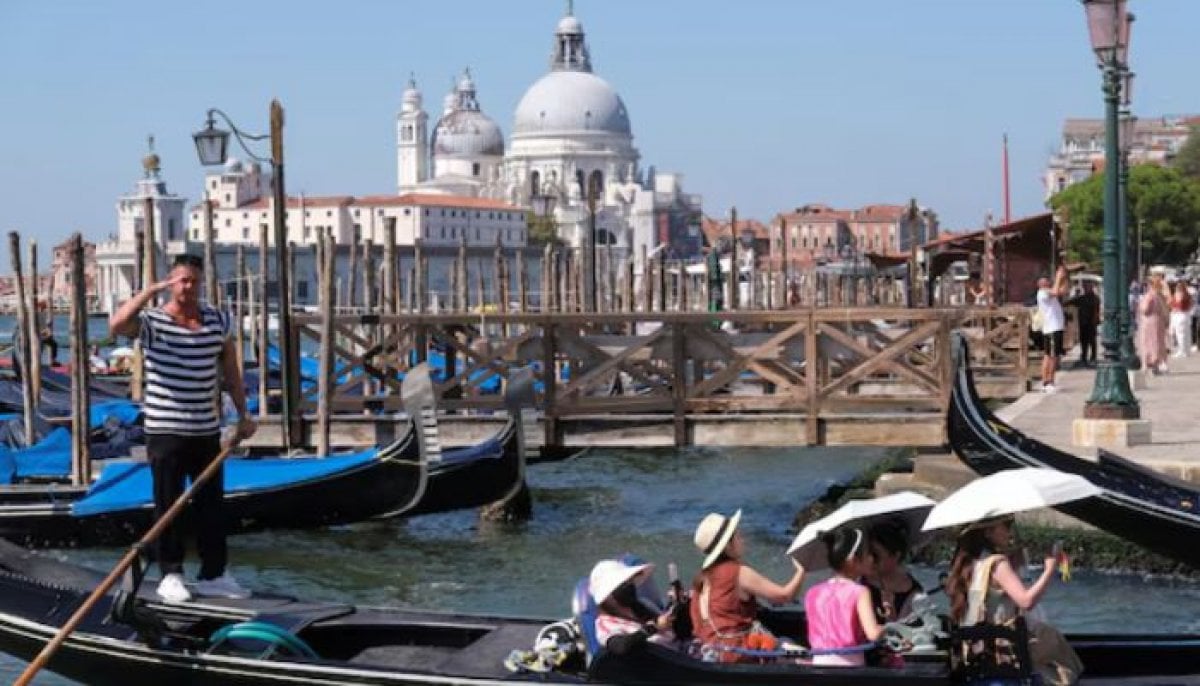 Venice to raise tourist entry fee to $34 in new push to tackle overtourism
-
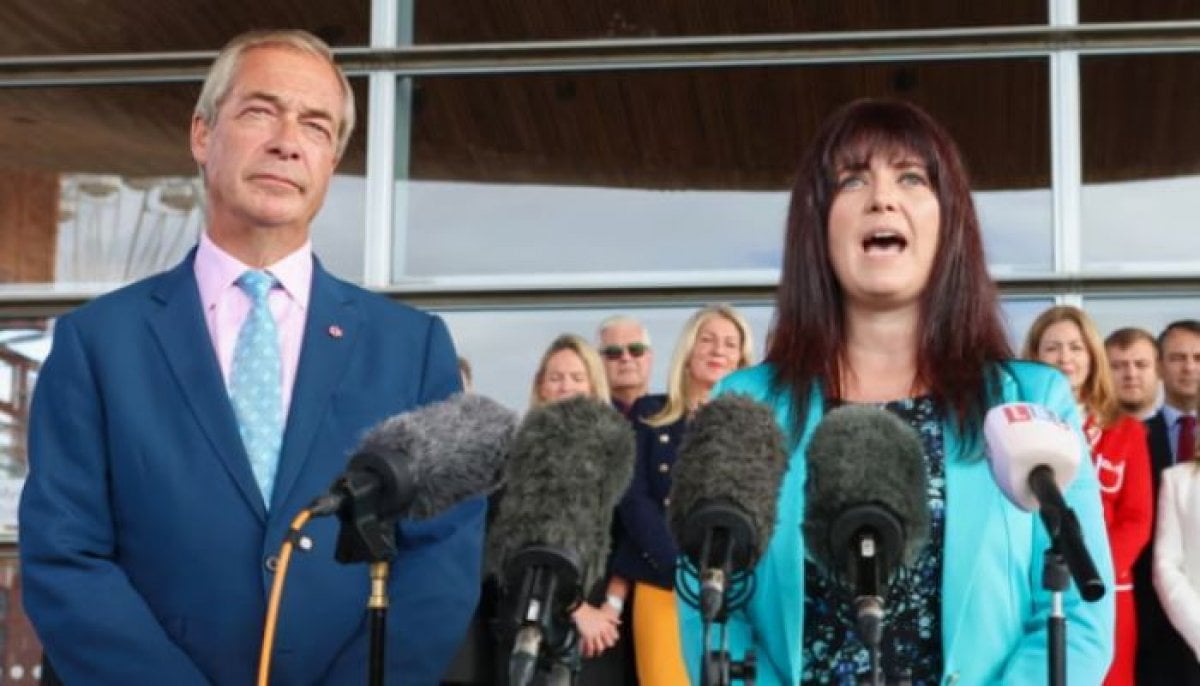
 Nigel Farage names Helen Jenner as new Reform UK leader in Wales after pedecessor's arrest
 -
Record-breaking super El Niño could trigger extreme weather around the world
-
Trump to meet Mamdani, Macron and Xi Jinping during high-stakes diplomacy week
-
German chancellor Merz is defiant after a historic state election disaster; Here's why