OpenAI gives Japanese banks access to GPT-5.5 to fight cyberattacks
OpenAI also granted access to its latest models to various European firms in cybersecurity push
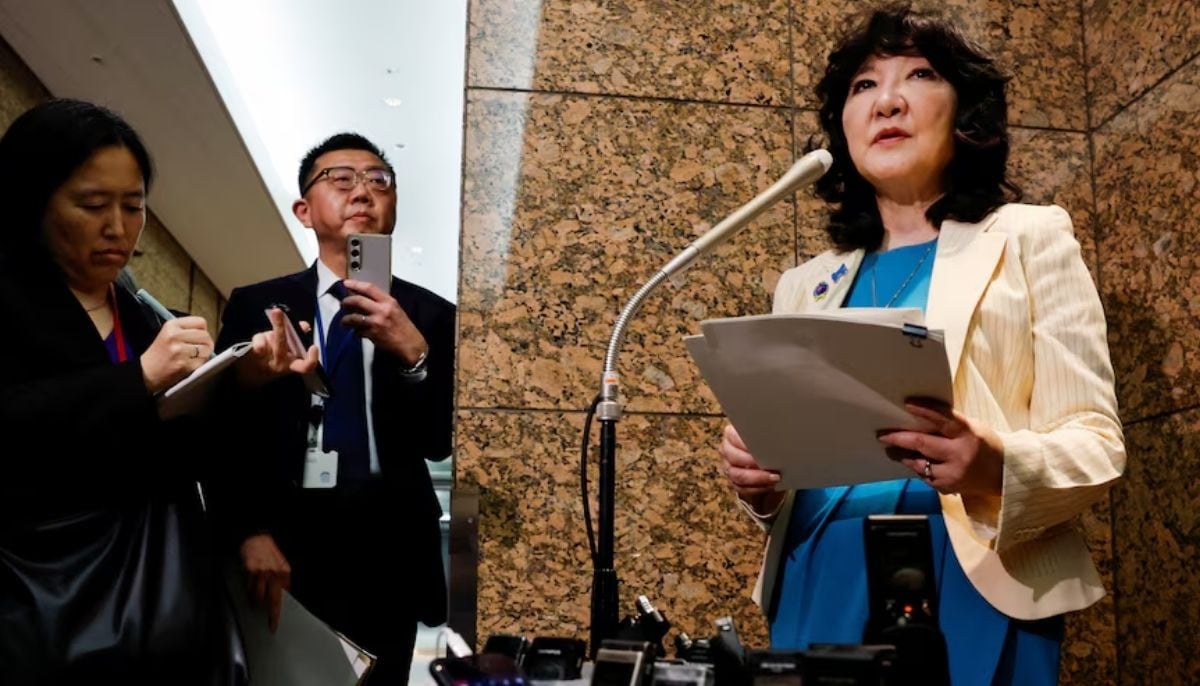
OpenAI has provided access to its newly-released AI model GPT-5.5 to some Japanese banks in a push to strengthen cybersecurity.
According to Japanese Finance Minister Satsuki Katayama, the collaboration with OpenAI will help fight cyberattacks which are becoming prevalent due to release of new AI models with unprecedented capabilities such as Anthropic Mythos. Hackers can misuse these models to identify cybersecurity risks and develop new ways to exploit these loopholes.
The announcement comes on Friday after a meeting of Japan’s Finance Minister with US-based artificial intelligence company OpenAI’s chief strategy officer, Jason Kwon, in Tokyo.
Speaking to the reporters, Katayama said, “the access to the latest AI models would prove “a big step forward in strengthening Japanese financial institutions' ability to defend against cyberattacks.”
However, she did not disclose the names of Japanese banks which would get access to the GPT-5.5.
On Thursday, the Nikkei newspaper reported that three banks, including MUFG Bank, Sumitomo Mitsui Banking Corp and Mizuho Bank are expected to gain access to OpenAI’s latest model.
Earlier this month, Japan also launched a public-private working group dedicated to mitigating AI-driven cybersecurity risk that Anthropic’s Mythos pose to the country’s financial institutions.
On Friday, Katayama noted that the Japanese government and various financial entities were also expected to utilize Mythos to bolster their own defensive capabilities.
Prior to Japanese banks, OpenAI also granted access to its latest models to various European firms including Deutsche Telekom, BBVA and dozens more European companies in the cybersecurity push, aiming to strengthen their resilience against cyber vulnerabilities.
On Tuesday, Google researchers have found the first-of-its-kind evidence of the most serious type of security flaw created by hackers through AI tools. Named zero-day exploit, the cyber flaw could lead to massive exploitative event while "subsidizing operations through trial abuse and programmatic account cycling.”


-
 Is Europe ready for rogue AI? EU chief Henna Virkkunen weighs in
 -
 FBI arrests another suspect linked to ShinyHunters case, Kash Patel says
 -
 China sharpens tech ambitions with new AI-focused economic guidelines
 -
 OpenAI, Anthropic prepare for public backlash after catastrophic AI event: Report
 -
 Amazon may know more about you than you think: Here’s how
 -
 Can you get banned for insulting Claude? Here’s what policy says
 -
 SpaceX vs. Telecom: Elon Musk's Starlink enters mobile market—What to know
 -
 OpenAI explains why it fired 3 researchers amid ‘suspicious’ exit claims