Jensen Huang, Sam Altman walk back AI job loss warnings
Nvidia CEO criticised other prominent tech bosses for using AI as a scapegoat for job cuts
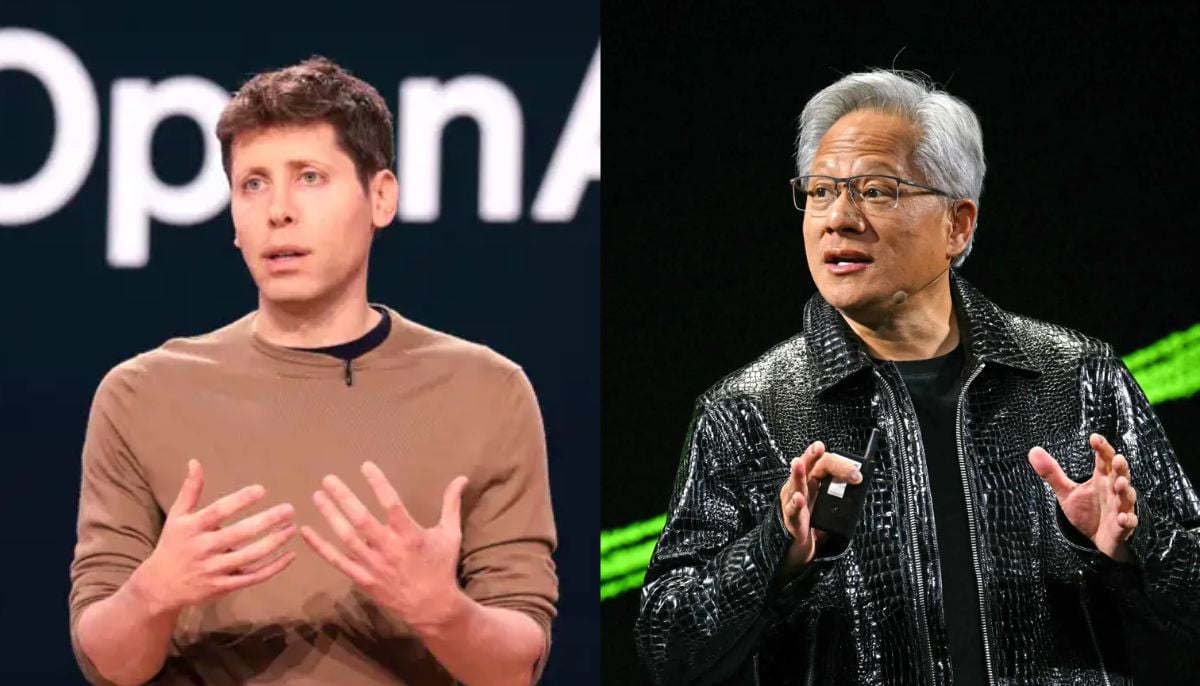
The most prominent Silicon Valley figures associated with artificial intelligence have now stepped back from their own dire warnings. Nvidia CEO Jensen Huang criticised other prominent tech bosses for using AI as a scapegoat for job cuts, calling such claims "too lazy" and baseless fearmongering.
Only a few days later, OpenAI CEO Sam Altman admitted that his previous claims about the destructive impact of AI on entry-level jobs had been wrong all along.
Huang minced no words when he slammed other executives. While speaking with Channel News Asia last week, he criticised bosses who use AI to make excuses for job cuts, considering how new and productive generative AI technology is in the past six months.
"It was just a way for them to sound smart, and I really hate that," Huang said. "I think we're scaring people, and that's irresponsible."
Altman's mea culpa came hours later at the Commonwealth Bank of Australia's Accelerate AI Conference. He admitted his intuitions about rapid white-collar job losses "were just off" and rejected the "jobs apocalypse" narrative he and other AI companies had previously promoted.
Even the Anthropic CEO Dario Amodei, who was previously quite critical about the future, recently predicted that even in the case that 90% of all jobs get automated, the humans working on the remaining 10% will have a dramatically improved productivity level.
Despite his reputation as an AI sceptic, which Huang stated that "he pretty much disagrees with almost everything he says", the consensus within the industry seems to move towards precaution rather than apocalyptic visions.
The reversals come as OpenAI and Anthropic prepare for high-profile initial public offerings, requiring investor confidence and public goodwill. However, the damage to their reputations is clear. Recent polls revealed that there was a considerable amount of discontent from Americans regarding the impact of AI, caused by none other than the executives themselves.
Federal Reserve Governor Lisa Cook noted that the complete effect of AI on employment might not yet be seen but could end up being "the most significant reorganisation of work in generations".


-
 Salesforce CEO calls Nvidia ‘exquisite’ as AI race heats up
 -
 France probes smart glasses in sexual harassment and privacy cases
 -
 Anthropic sets up biology lab to expand AI drug research
 -
 WhatsApp adds new ways to personalize your chats
 -
 Humanoid robot brains could take a big leap in 2027, says Spirit AI founder
 -
 How AI scraping left this designer's entire catalogue copied
 -
 OpenAI launches Astra for Law: GPT-6 legal platform escalates industry race
 -
 Anthropic says Claude is helping build its own successor