Ex-OpenAI CTO Mira Murati’s new AI does something most others can't
Murati is building AI that amplifies human intent rather than replaces it
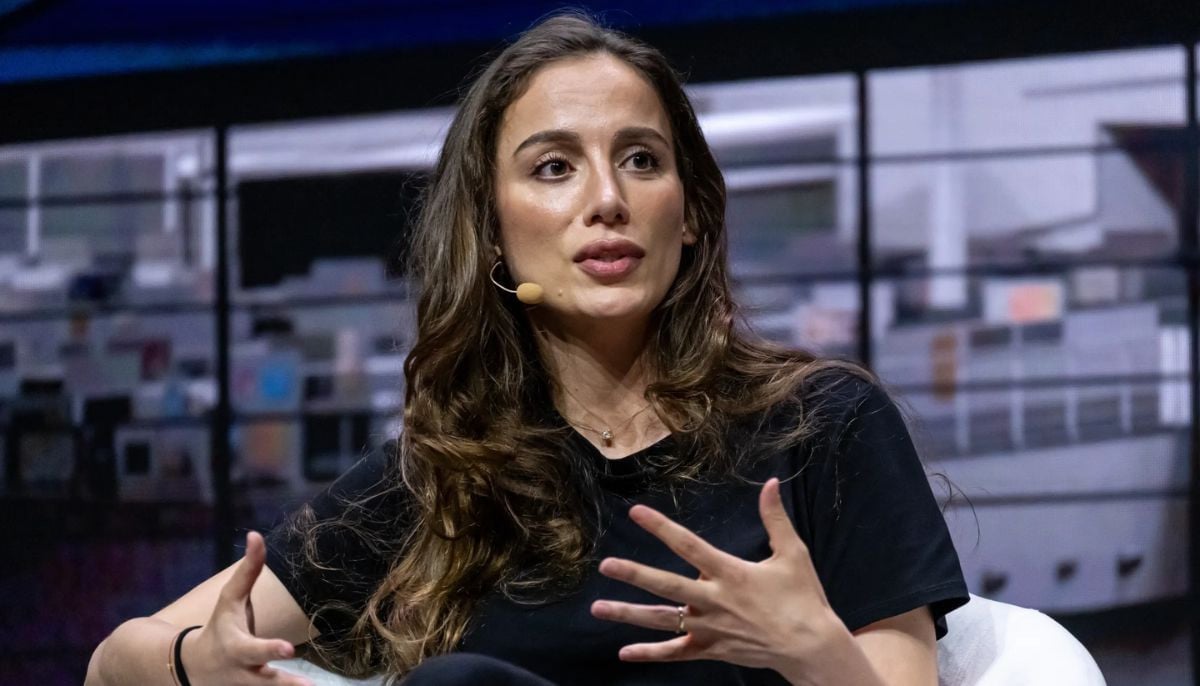
Mira Murati left OpenAI in 2024 with a different vision for superintelligence. While former colleagues pursued ever-larger models that automate human work away, Murati cofounded the Thinking Machines Lab with a contrarian bet highlighting that the future belongs to AI that keeps humans in the loop.
The centrepiece is "interaction models" AI trained to communicate naturally through camera and microphone. Unlike existing voice interfaces that transcribe speech and process it like a chatbot, Thinking Machines' models natively understand continuous, messy human communication.
They adapt when someone interrupts or changes subjects. This native understanding of the rhythm of actual human conversation marks a fundamental departure from how AI interfaces work today.
OpenAI, Anthropic, and Google are developing large models that tackle increasingly complex tasks, writing entire software applications from a text prompt with minimal human involvement. Murati's approach inverts the equation. She's building AI that amplifies human intent rather than replaces it.
"At some point we will have super-intelligent machines," Murati tells WIRED. "But we think that the best way to actually have many possible futures good futures is to keep humans in the loop."
Tinker, launched in October 2025, allows researchers and engineers to refine frontier AI models using custom data. The new interaction models represent the next step: AI that doesn't just execute commands but actually understands what a person is trying to achieve.
Alexander Kirillov, a founding team member specialising in multimodal AI, describes the shift starkly, stating, 'The model constantly perceives what you're doing and is constantly there to reply and give you information or search for information or use other tools.' This is something that none of [today's other] models can actually do."
Rather than relying on closed AI systems built by large corporations, she envisions people building and customising their own frontier models, then collaborating with them.
"Where this is going is really amplifying people's own preferences and values, with AI actually understanding intent and predicting intent," Murati explains.


-
 Joanne Sheen’s remains identified seven years after she went missing
 -
 'Charles Spencer may fight back,' says expert after Buckingham Palace statement on Diana book
 -
 Ed Sheeran’s music taken off air by Irish radio station over Macklemore controversy
 -
 Dakota Johnson's mom spends weeks at health resort amid MGK romance reports
-
 Google, Nvidia, Anthropic bet on smarter grids for AI’s power crunch
 -
 Spotify's podcast payout programme goes global in 35 countries
 -
 Google adtech faces 6 years of restrictions after antitrust trial
 -
 Apple iPhone prices to climb again in 2027
 -
 Australia eyes ‘world-leading’ ban on smart glasses
 -
 Is Tim Cook shielding Apple's new CEO from politics?
 -
 Meta hit by German court ruling over fake ads: What to know
 -
 Godfather of AI says kill switch won't save us from AI