Tencent, Alibaba turn to local AI chips as Nvidia uncertainty grows
Reuters reported the US had approved Nvidia sales to major Chinese firms
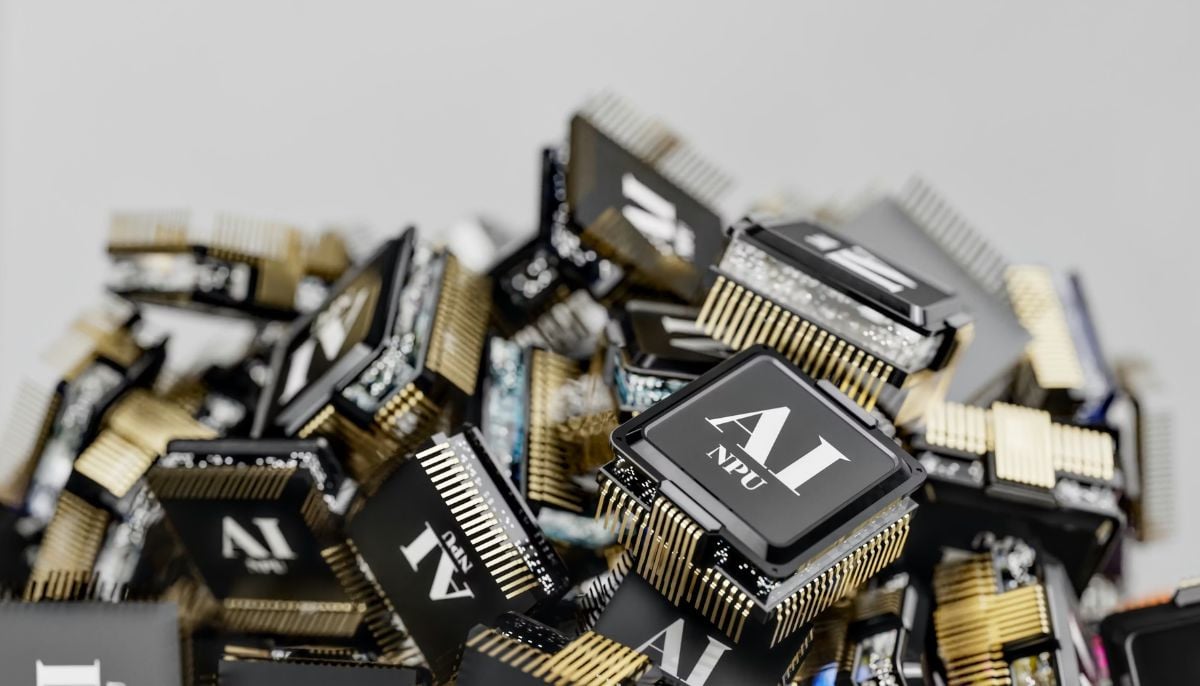
China spent the last year building an alternative to Nvidia. Then, in a single week, everything shifted. On Wednesday, Tencent and Alibaba announced they were ramping up homegrown chip production.
On Thursday, Reuters reported the US had approved Nvidia sales to major Chinese firms. On Friday, Treasury Secretary Scott Bessent said he'd never heard about the approval.
When the US blocked Nvidia from selling advanced chips to China in 2023, Chinese tech giants had no choice but to build alternatives. Tencent Chief Strategy Officer James Mitchell said Wednesday the company will dramatically increase capital spending, particularly in the second half of the year, as China-designed GPU chips become "available to us month by month."
Alibaba's chip division, T-Head, has achieved "scaled mass production" of proprietary GPUs, an executive stated on the company's earnings call.
Moore Threads, MetaX, and Huawei have launched competing products. Chinese chip companies posted record revenue. Alibaba now designs chips specifically for its own data centres, giving the company a structural advantage: it controls both the hardware and the software running atop it.
"In an environment of compute scarcity, this structural advantage is favourable to our revenue growth and gross margin improvement," an Alibaba executive said.
This contradicts months of reports suggesting the US would approve shipments of less powerful chips like the H20. Each time, China's government reportedly encouraged local firms to buy domestic alternatives instead.
Neil Shah, partner at Counterpoint Research, offers perspective. Chinese firms are pivoting toward "agentic AI", AI systems that perform complex, multi-step tasks autonomously. " Chinese hyperscalers simply cannot afford to wait," Shah said. "The race towards agentic AI has shifted from training to massive inference scaling."
If Shah is right, China's homegrown chips may be powerful enough for training, but insufficient for the inference workloads that agentic AI demands.


-
 What Is PHP, why is everyone talking about it?
 -
 OpenAI partners with Poland’s NASK to strengthen AI safety
 -
 YouTube custom feeds could finally fix your homepage
 -
 Japan plans cyberattack simulation as PHP vulnerabilities raise security concerns
 -
 WhatsApp reels shortcut adds 3 tabs: Recents, saved, liked
 -
 Meta faces pressure as publishers and advertisers urge EU, UK to suspend new terms
 -
 Cybersecurity warning: Major websites face potential global threat
 -
 Tesla, SpaceX merger could create $3.5tn giant