US trade court rejects Trump's proposed 10% global tariffs
A US federal court ruled that President Donald Trump's 10% global tariffs are unlawful
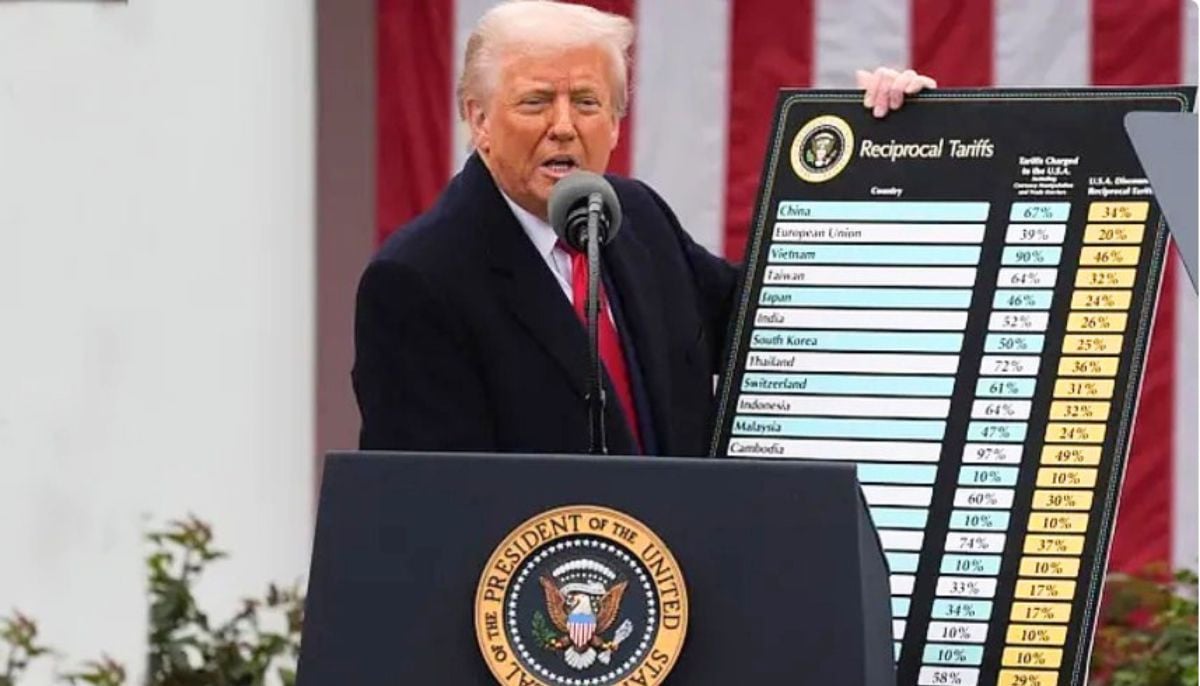
Trump's trade tariffs are again in the limelight, but many countries, including the European Union, are not in favor of these imposed duties or additional taxes.
The U.S. trade court on Thursday ruled against President Donald Trump's latest 10% global tariffs, finding across-the-board tariffs were not justified under a 1970s trade law.
The U.S. Court of International Trade ruled in favor of small businesses that challenged the tariffs, which took effect on February 24. The ruling was 2-1, with one judge saying it was premature to grant victory to the small business plaintiffs.
The small businesses had argued the new tariffs were an attempt to sidestep a landmark U.S. Supreme Court decision that struck down the Republican president's 2025 tariffs imposed under the International Emergency Economic Powers Act.
In his February order, Trump invoked Section 122 of the Trade Act of 1974, which allows for duties for up to 150 days to correct serious "balance of payments deficits" or head off an imminent depreciation of the dollar.
Thursday's court ruling found the law was not an appropriate step for the kinds of trade deficits that Trump cited in his February order.
“This decision is an important win for American companies that rely on global manufacturing to deliver safe and affordable products. Unlawful tariffs make it harder for businesses like ours to compete and grow,” said Jay Foreman, CEO of toymaker Basic Fun!
“We are encouraged by the court’s recognition that these tariffs exceeded the president's authority. This ruling brings needed clarity and stability for companies navigating global supply chains," he said in a statement.
The Trump administration had argued that a serious balance-of-payments deficit existed in the form of a $1.2 trillion annual U.S. goods trade deficit and a current account deficit of 4% of GDP.
But some economists and trade lawyers argue the U.S. is not on the cusp of a balance-of-payments crisis, making the new duties vulnerable to a legal challenge.
“It is a treat to be able to choose one’s time to say goodbye.”




-
 Ex-Pentagon official makes chilling claim: UFOs provoke US military
 -
 Inmates stage daring takeover of Bertie-Martin Regional Jail
 -
 Paris mortuaries at capacity as heatwave death toll climbs
 -
 US Supreme Court allows Lisa Cook to remain at Fed
 -
 Car crashes into North Circular Bus stop, two injured
 -
 Germany Shooting: 5 adults killed at Stade Youth Centre, suspects detained
 -
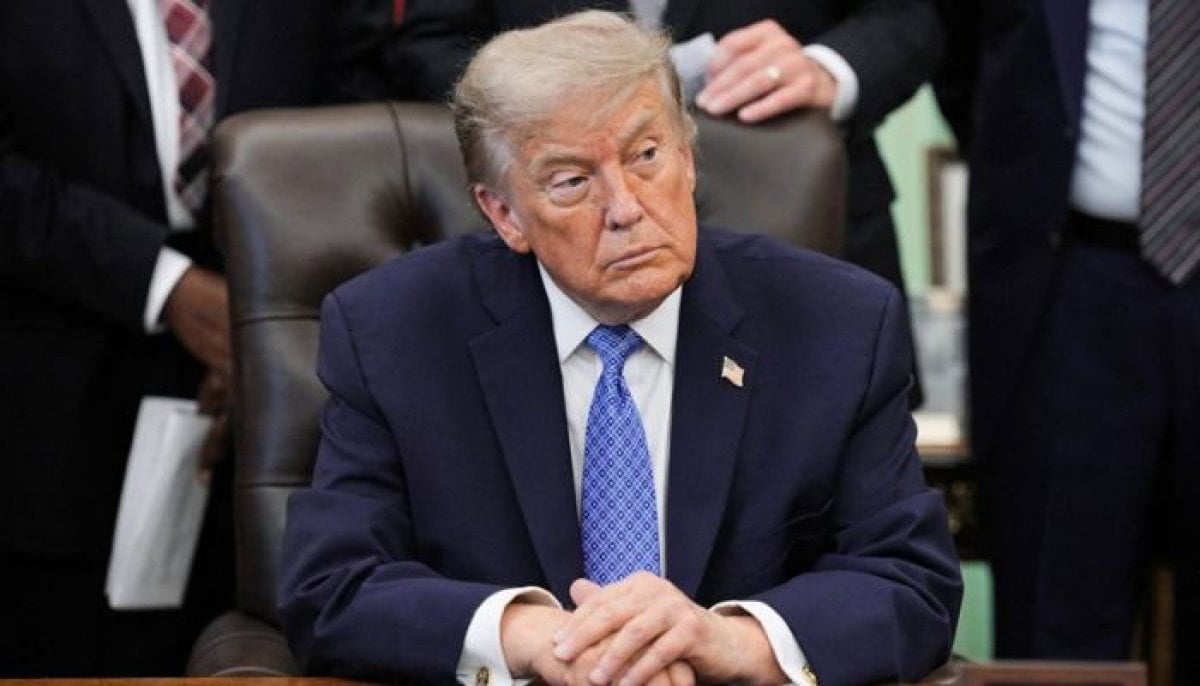 'Iran has requested a meeting': Trump announces surprise Doha talks
 -
 Dangerous heat wave sweeps US before July 4: Which states will be hottest?
-
 Andy Burnham rules out Cabinet appointments until leadership race concludes
 -
Will missing flight MH370 ever be found? Malaysia extends search until 2027
-
Spanish PM Pedro Sanchez faces pressure as wife Begona Gomez ordered to stand trial
-
Father, son pulled alive from rubble four days after Venezuela quakes