Trump signs executive order to promote advanced AI innovation and security
The White House says the directive aims to boost AI development while strengthening US national security and protect networks from AI-enabled cyberattacks
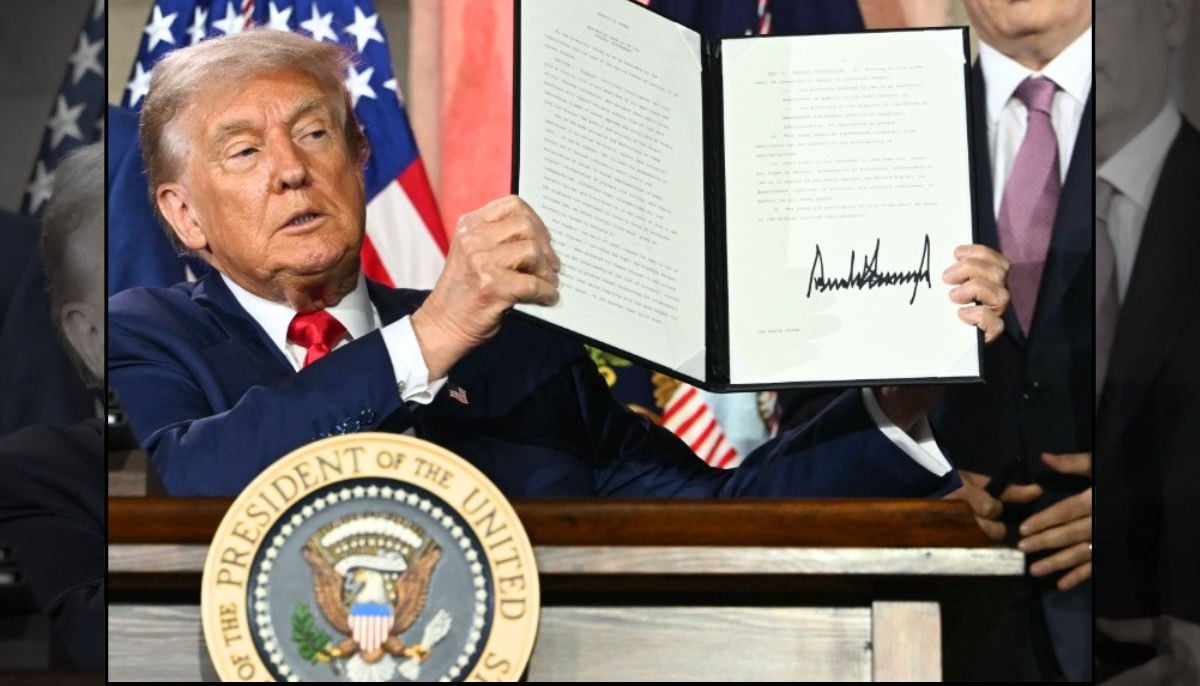
In a latest update, the U.S. President Donald Trump had signed a long-awaited executive order to promote advanced AI innovation and security
According to an executive order released on Tuesday, President Trump's administration will ask leading AI developers to voluntarily submit their most capable models for government cybersecurity tests before releasing them to the public.
The new order will be directing US agencies to work with artificial intelligence companies to protect networks from AI-enabled cyberattacks.
The decision comes as security fears mount in Washington over powerful new AI systems such as Anthropic's Mythos.
The U.S. President, Donald, signed an executive order that directs the departments of Treasury, Defense, Commerce, and Homeland Security, plus other government officials and agencies, to secure agreements with AI developers to test their models.
Furthermore, the U.S. agencies would get up to 30 days to test the models before they are released to organizations outside the government, according to the order. It also directs the agencies to emphasize bolstering cyber defense across government.
The president's decision to implement voluntary testing could hurt the industry's profits if it slows the rollout of new models or prompts the companies to change how they perform to address security concerns.
Recently, Google, Anthropic and OpenAI met with the U.S. government about cybersecurity, a senior U.S. official said in May on a call with reporters about the executive order's development.
The order also asks the U.S. Treasury secretary to form an AI "cybersecurity clearinghouse, in voluntary collaboration with the AI industry and operators of critical infrastructure that coordinates and deconflicts scanning for software vulnerabilities, discovers and validates such vulnerabilities, and coordinates and prioritizes remediation and distribution of vulnerability patches."
Notably, it signals that Trump is shifting his strategy on AI and taking a more active role in monitoring the technology's capabilities.
Since returning to office, he has said the federal government should take a hands-off approach to the tech sector and has tried to discourage states from adopting AI regulations that he opposes.


-
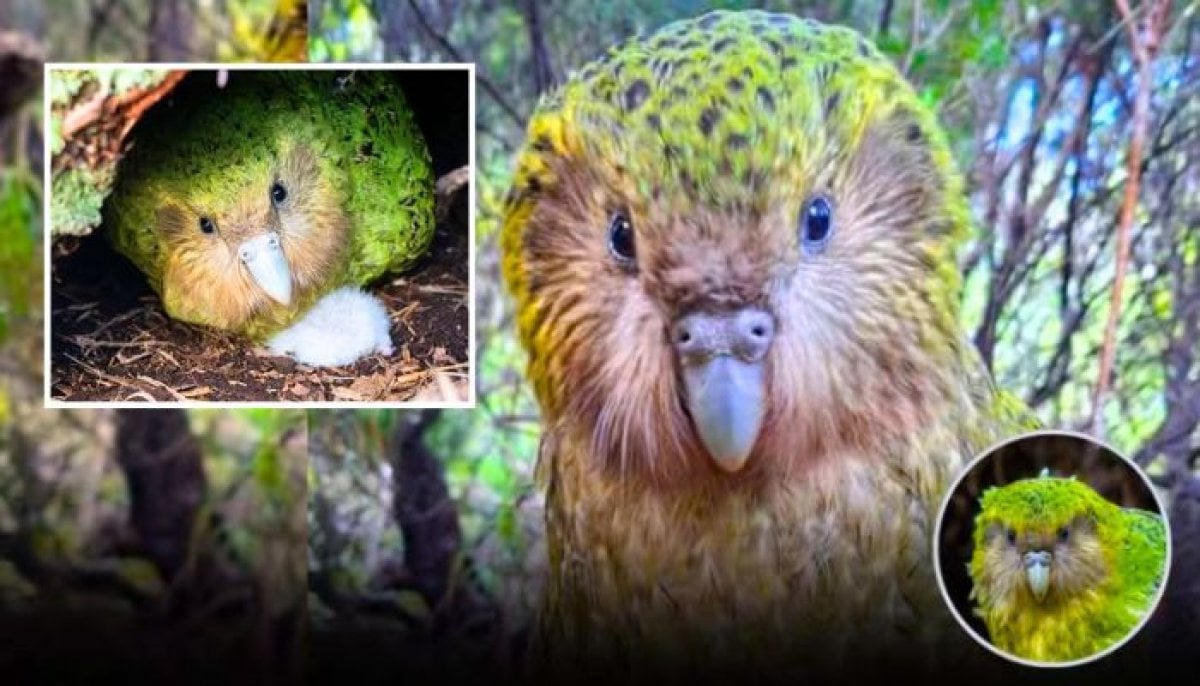 Rare population of world's heaviest parrot 'Kakapo' soars past 300 after record-breaking breeding season
 -
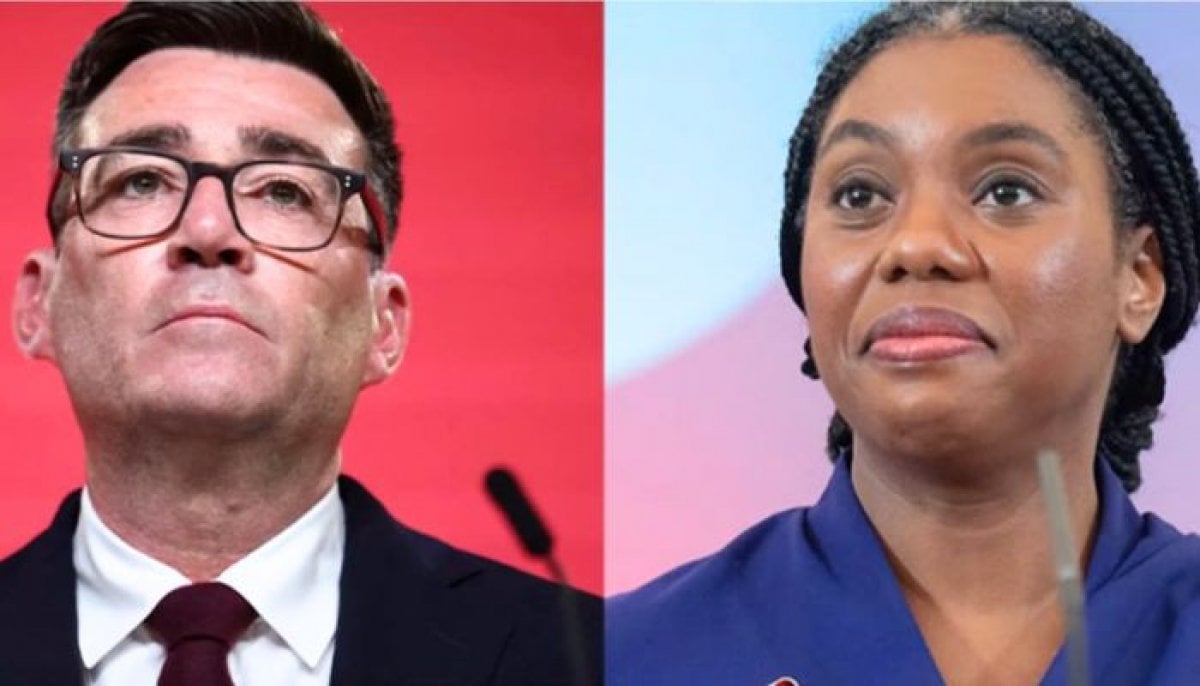 Kemi Badenoch presses Andy Burnham on surging borrowing costs in fiery PMQs debut
 -
 New report reveals, children as young as six going to A&E in mental health crisis
 -
 Dell shares spike as surging AI server demand spurs record forecast raise
-
 Minneapolis mass shooting leaves 2 dead, multiple injured including police officers
 -
 Toronto storm causes widespread flooding as 45,000 customers lose power
 -
Kemi Badenoch presses Andy Burnham on surging borrowing costs in fiery PMQs debut
-
 Anthony Scaramucci says he had ‘Potomac fever’ and Bessent and Lutnick have it too
 -
 Pete Hegseth under fire over US Army shake-up after Dan Driscoll resignation
 -
 OpenAI faces 30 new lawsuits from Tumbler Ridge shooting victims
 -
 US hits Iran, Tehran retaliates against bases in major escalation
 -
 Sweden refuses to back down as Britons face removal under Brexit rules