OpenAI rolls out three new audio models for real-time voice tasks
OpenAI's new models GPT-Realtime-2, GPT-Realtime-Translate, and GPT-Realtime-Whisper,will improve speech recognition, voice generation, and real-time conversational capabilities for AI-powered assistants and applications
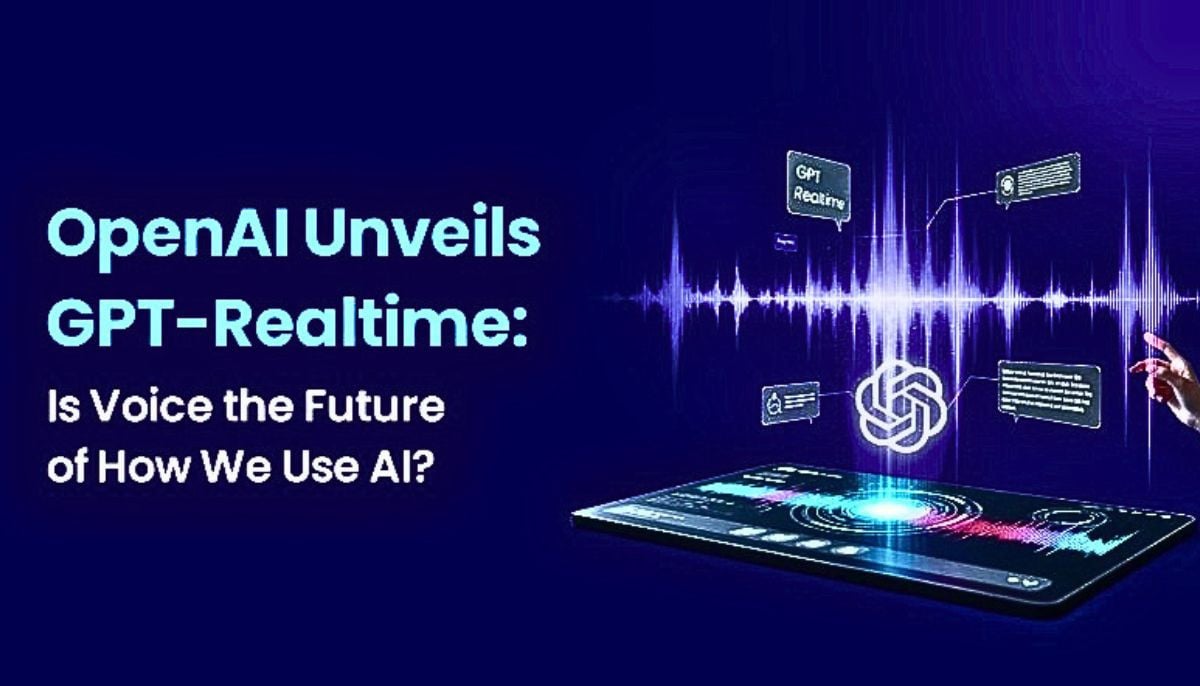
OpenAI introduced three audio models for its developer platform on Thursday. The model aims to make voice-based software agents more conversational and capable of completing tasks in real time.
The launch comes as competition in AI-powered voice technology intensifies, with major technology firms investing heavily in multimodal systems that combine text, audio, and visual understanding.
The rollout is aimed at developers building conversational AI tools, virtual assistants, customer service platforms, and other voice-enabled applications.
Additionally, the launch of the application programming interface API moves the ChatGPT-maker beyond transcription and chat toward agents that can listen, translate, and act during live conversations.
OpenAI's new audio models: GPT-Realtime-2, GPT-Realtime-Translate, and GPT-Realtime-Whisper
The new models are GPT-Realtime-2, GPT-Realtime-Translate, and GPT-Realtime-Whisper. OpenAI said they are available to test in its developer playground.
GPT-Realtime-2 is designed to manage harder requests, call tools, handle interruptions, and maintain context across longer voice sessions.
The second model supports translation from more than 70 languages into 13 output languages, targeting customer support, education, and other settings.
GPT-Realtime-Whisper provides live speech-to-text, allowing captions, meeting notes, and workflow updates to be generated as a speaker talks.
Customers testing the models include online real estate marketplace Zillow, online travel agency Priceline, and European telecommunications firm Deutsche Telekom.
Pricing for GPT-Realtime-2 starts at $32 per million audio input tokens, GPT-Realtime-Translate costs $0.034 per minute, and GPT-Realtime-Whisper costs $0.017 per minute.
The company said the models are designed to deliver more natural speech, improved accuracy, and lower latency during live interactions.


-
 Google’s flagship AI model Gemini 4 Argon is here: What developers need to know
 -
 Apple unveils new HomePod mini 2 colors: What to know
 -
 Apple debuts HomeView smart display and next-gen home devices powered by conversational Siri AI
 -
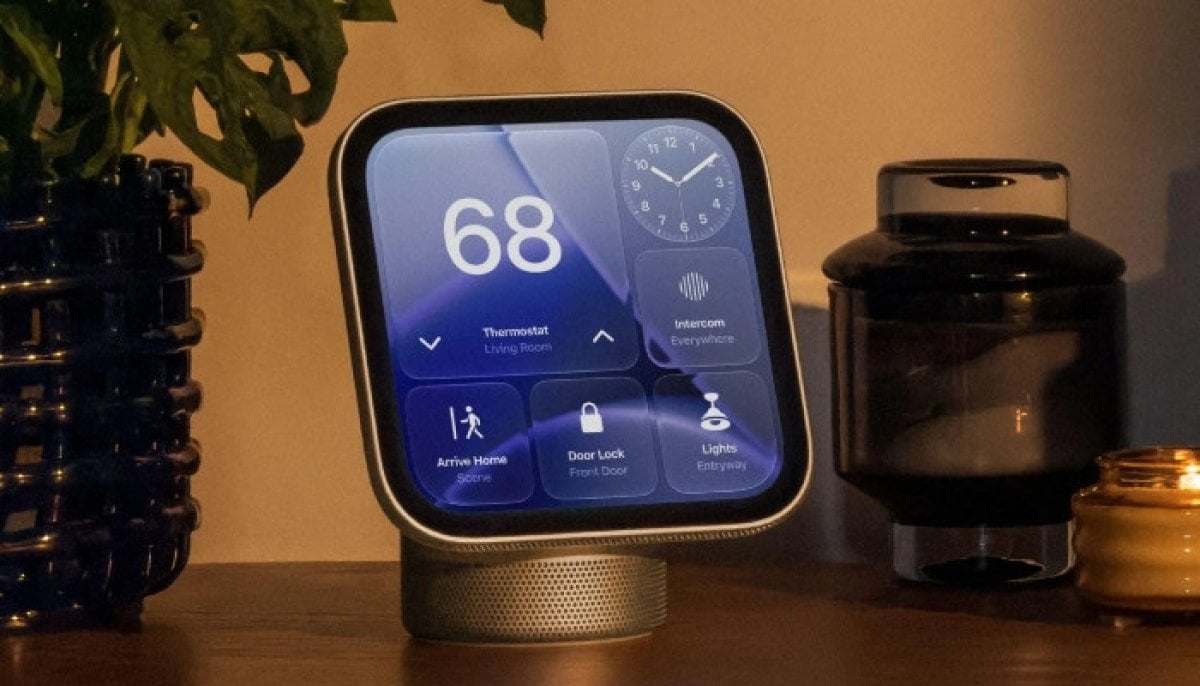 Apple launches HomeView: Here’s what the $299 Siri AI smart home hub can do
 -
 Meta challenges UK online safety watchdog: Here’s why
 -
 Character.AI files for bankruptcy, agrees to $20M disney asset sale
 -
 Scott Kupor reveals how the ‘Super Intelligence’ task force will push AI safety
 -
 Geoffrey Hinton, Yoshua Bengio join 400 scientists calling for global AI oversight body
-
 Can AI predict people's thoughts? Palantir CEO Alex Karp weighs in
 -
Anthropic warns small AI models may soon self-replicate across connected devices
-
Philippine lower house approves bill restricting minors' social media access
-
Google Translate adds auto-save for Live Translate transcripts, with one catch