North Korea drops unification goal from constitution: What it means for Korean Peninsula tensions
This is the very first time North Korea has added a territorial clause to its constitution
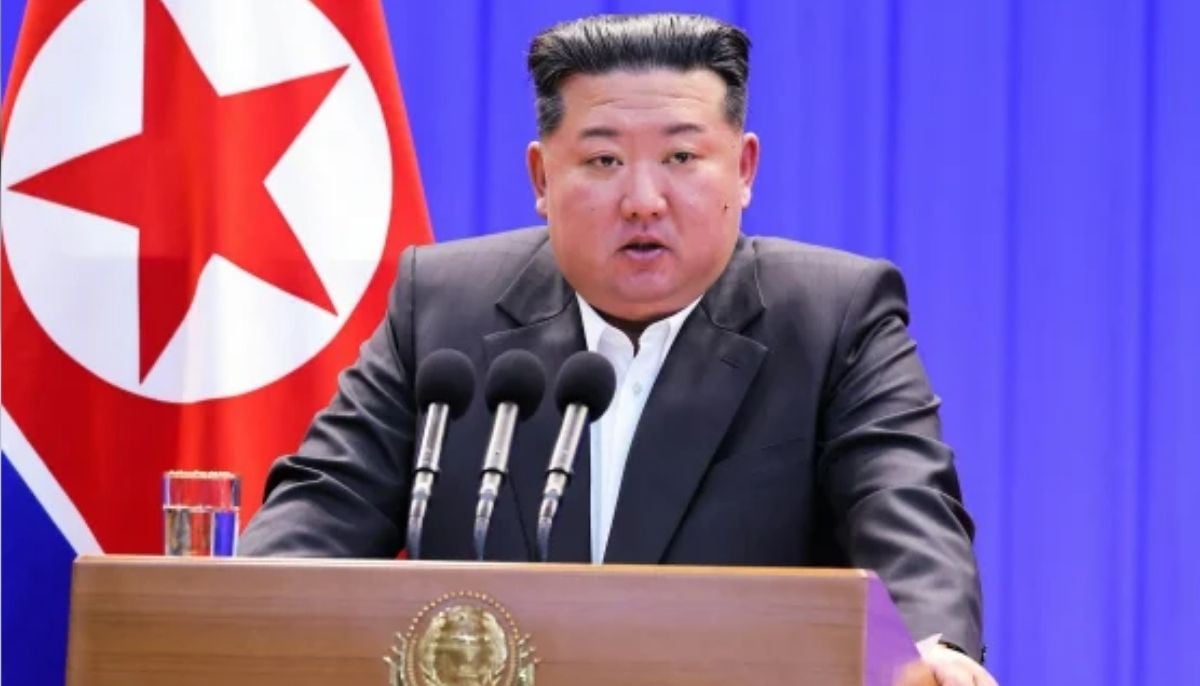
North Korea has revised its constitution, bringing out major changes in its policy regarding the Korean Peninsula.
According to the draft of the text reviewed by Reuters, the changes, believed to have been adopted in March, include defining South Korea as a separate and bordering state, effectively abandoning the long-standing goal of reunification.
This is the very first time North Korea has added a territorial clause to its constitution. Beyond territorial changes, the revision of constitution strengthens Kim’s legal status as head of state and explicitly gives him sole command over the nation’s nuclear arsenal.
Key revisions in constitution
Territorial redefinition
According to the new Article 2 in the constitution, North Korea will be defined as a land “bordering the People’s Republic of China, and the Russian Federation to the north and the Republic of Korea to the south.”
Abandoning reunification
The text also excludes the various references related to Korean peninsula reunification in revision, aligning the law with Kim Jong Un's January 2024 directive to treat the South as a "primary foe" rather than a partner for union. It also talks about lack of tolerance regarding the “infringement of its territory.”
Elevating Kim Jong Un’s status
Another clause in the constitution also elevated the status of Kim Jong Un, designating him as “the head of state,” by replacing the previous title of “supreme leader who represents the state.”
Nuclear doctrine
A new defence clause designates North Korea as a “responsible nuclear weapon state” along with pursuits to advance nuclear weapons development to protect the country and regional peace.
The revised constitution explicitly places command of the country's nuclear forces under the SAC chairman, Kim Jong Un.
Response from South Korea
According to South Korean outlets, President Lee Jae Myung argues that leaving the specific inter-Korean border undefined is a tactical move by the North to minimize friction while still embedding the "two hostile states" doctrine into its supreme law.
The changes come amid the period of heightened tensions in Korean Peninsula as North Korean leader have always rebuffed South Korea's president to engage in dialogue over the issues.




-
 Ex-Pentagon official makes chilling claim: UFOs provoke US military
 -
 Inmates stage daring takeover of Bertie-Martin Regional Jail
 -
 Paris mortuaries at capacity as heatwave death toll climbs
 -
 US Supreme Court allows Lisa Cook to remain at Fed
 -
 Car crashes into North Circular Bus stop, two injured
 -
 Germany Shooting: 5 adults killed at Stade Youth Centre, suspects detained
 -
 'Iran has requested a meeting': Trump announces surprise Doha talks
 -
 Dangerous heat wave sweeps US before July 4: Which states will be hottest?
-
 Andy Burnham rules out Cabinet appointments until leadership race concludes
 -
Will missing flight MH370 ever be found? Malaysia extends search until 2027
-
Spanish PM Pedro Sanchez faces pressure as wife Begona Gomez ordered to stand trial
-
Father, son pulled alive from rubble four days after Venezuela quakes