Google signs Pentagon AI deal despite staff backlash
Eight years after Project Maven, Google reversed its own AI ethics pledge and started suppressing the staff who objected
More than 600 Google employees sent a letter to CEO Sundar Pichai asking him to block the company's AI products from being used in classified Pentagon operations. The letter warned of "irreparable damage" to Google's reputation. Leadership had already signed the deal.
In 2018, more than 4,000 Google employees sent a letter opposing the Project Maven, which was an agreement between the government and Google involving using Google’s AI in analysing drone videos.
This time, however, it did not work, and Google decided to go ahead and develop AI systems for classified government projects, despite the opposition by its employees.
The Pentagon revealed on Friday that Google is one of seven firms, including Amazon, Microsoft, Nvidia, OpenAI, SpaceX, and a startup called Reflection AI, now approved for AI systems for classified projects.
Topics including "ICE" and descriptions of the Gaza conflict as a "genocide" are now flagged or banned on internal message boards. The company's monthly all-hands meetings, once freewheeling forums where staff could challenge leadership directly, now run questions through an AI summarisation tool internally codenamed "Project Saturday", now called "Ask" that moderators can use to reword submissions before they reach executives.
One employee said a question about Google's work with ICE and Customs and Border Protection was reframed at a recent town hall to ask about "government agencies in general."
Internal documents revealed in reporting by The Intercept showed Google executives privately acknowledging they could not fully monitor how the Israeli government used its technology under Project Nimbus, a $1.2 billion cloud deal signed in 2021.
The Washington Post published a report which included a whistleblower's declaration that Google assisted the Israel Defence Forces to develop AI object-identification skills. "Project Nimbus was signed in 2021, and we only learnt about military applications from news sources," said Alex, a software engineer at Google who asked to be identified only by his first name.
Another Google software engineer, Matthew Tschiegg, who joined Google in 2014, reported that Google and Amazon and Microsoft employees now work together across different organisations. "We're trying to put our heads together on how to meet this moment," he said. "Because frankly, there's a real and impending sense of doom for folks working on these AI tools."


-
 Lili Reinhart reveals why she 'felt convinced' to do 'The Love Hypothesis'
 -
 Madonna's secret adoption after daughter Lourdes Leon's birth exposed
 -
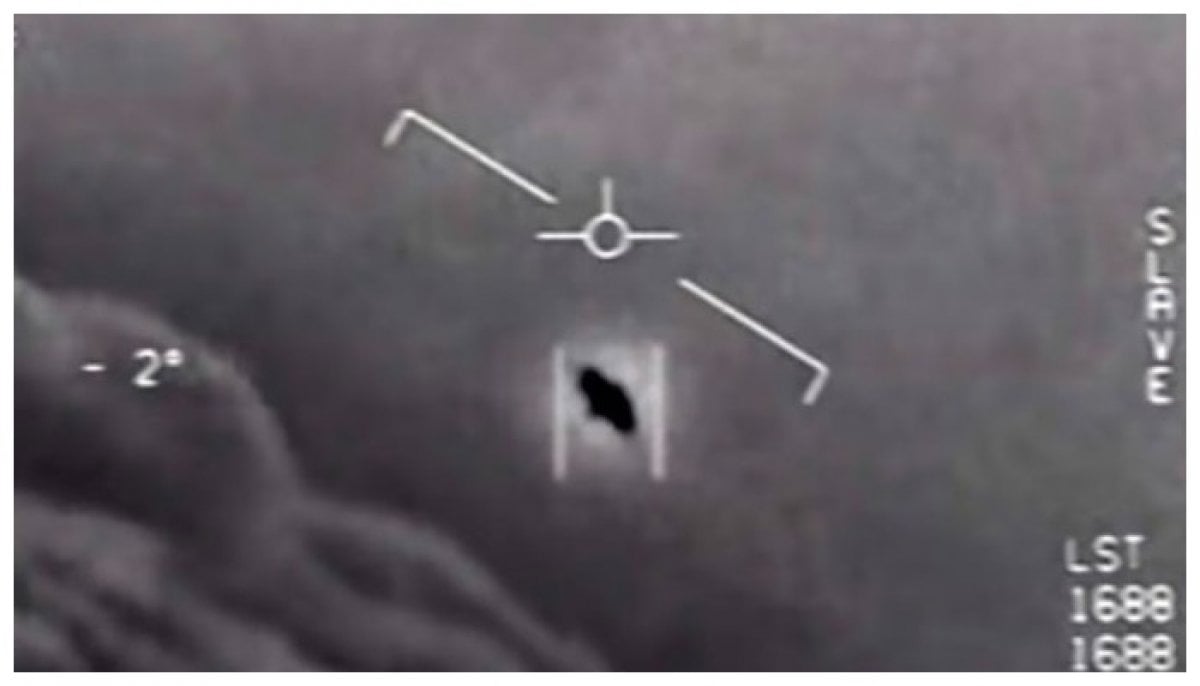 Secret UFO tape discovered after 70 years may reveal hidden details about 'Invasion of Washington'
 -
 Jenna Leigh Green drops bombshell about her role in 'Sabrina the Teenage Witch' after decades
-
 Apple speeds up software updates amid AI-driven cybersecurity threats
 -
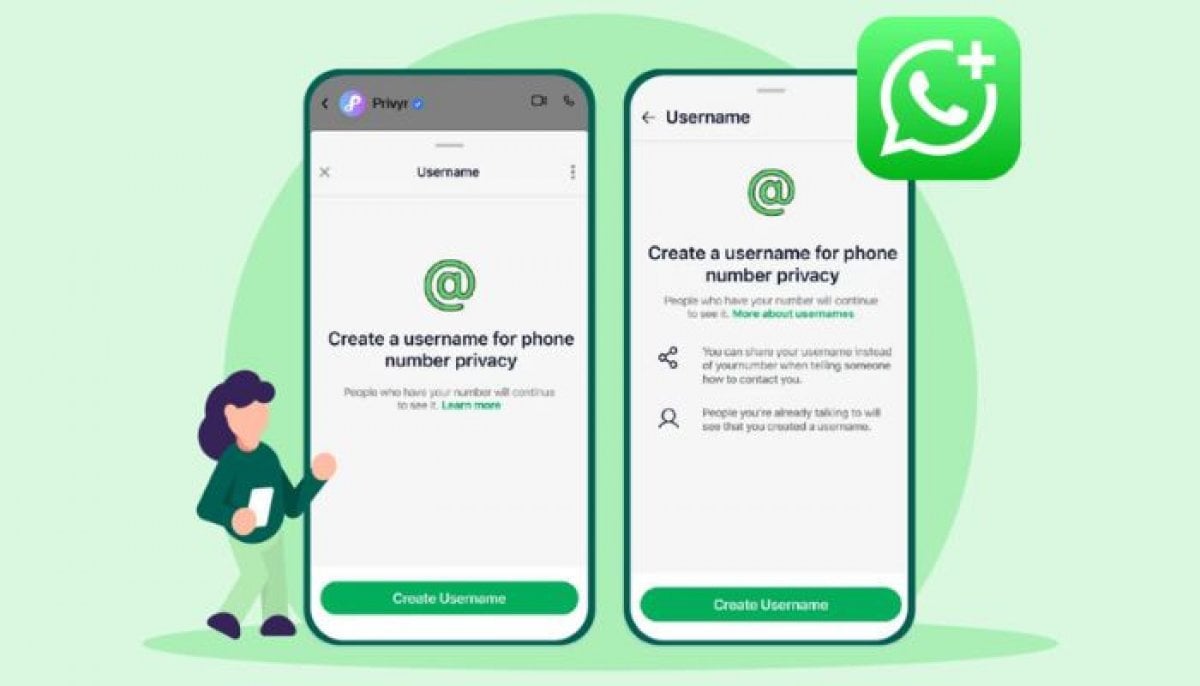 WhatsApp will now let you chat without sharing your phone number
 -
 Trillionaire Elon Musk celebrates birthday with rocket-themed cake
 -
 Breaking: Is Minecraft down? Several users report outages
 -
 Europe's heatwave puts AI data centres under pressure
 -
 US plans to build world's first fault-tolerant quantum computer: Check details
 -
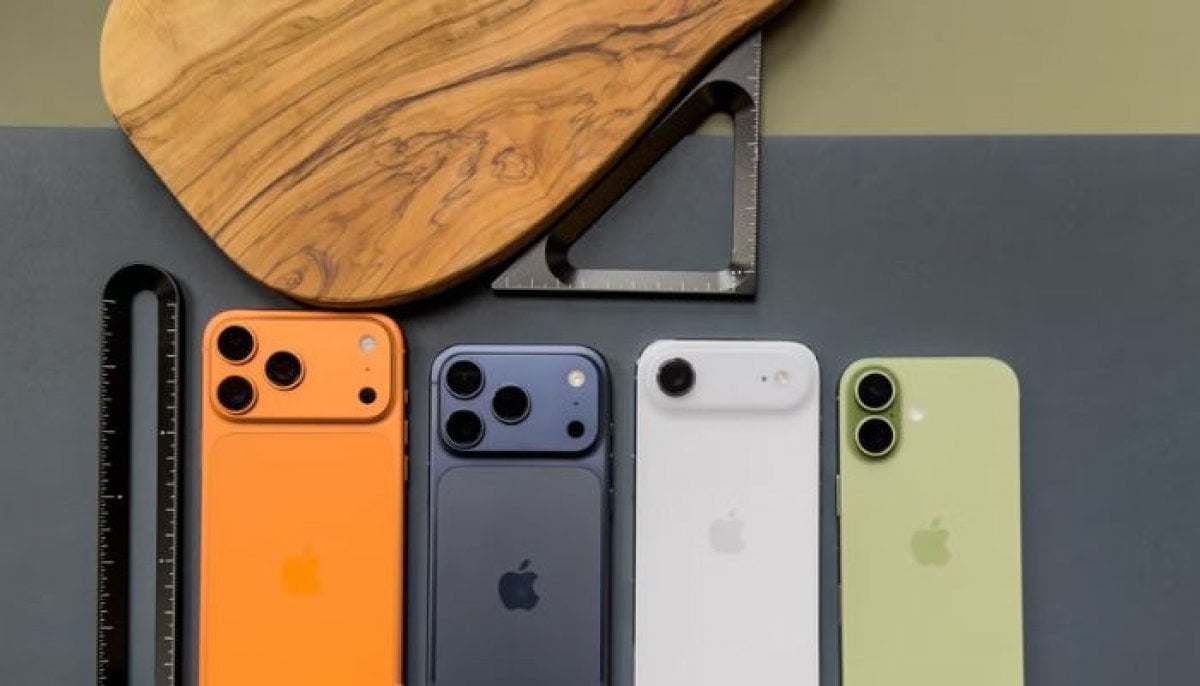 Base iPhone 18 likely to feature 9GB RAM, leak suggests
 -
 South Korea plans massive $576bn AI-chip bet to challenge global rivals