Philippines and Singapore sign new carbon deal to boost emission cuts in major climate investment
The landmark agreement between the Philippines and Singapore aims to enhance carbon trading efforts and accelerate sustainable practices, driving impactful emission reductions in the region

The Philippines and Singapore have signed a new deal in major climate assessments. Both countries on Thursday signed a carbon-trading deal that allows them to share emissions reductions, an agreement that Manila said is expected to lead to more investment into climate projects in the Philippines.
Singapore's Environment Minister, Grace Fu, said in a statement the deal would deepen collaboration between the two countries, "channeling climate finance towards impactful projects in the Philippines and unlocking new opportunities in carbon markets for businesses and local communities."
Philippines-Singapore new carbon deal:
The deal signed during ASEAN's Climate Week establishes a framework under the Paris Agreement for transferring verified emission reductions, or carbon credits, between Manila and Singapore.
A joint committee will oversee the approval and implementation of projects and tracking of emission reductions.
Philippine Environment Secretary Juan Miguel Cuna said the deal would help Manila to attract investments in renewable energy, waste management, methane reduction, nature‑based solutions, and climate‑smart agriculture.
He added that revenues from the projects could support reforestation, forest protection, renewable energy deployment, and community-based climate resilience projects in the Philippines.
Notably, the Philippines is the third Southeast Asian country to sign such a deal with Singapore after Thailand and Vietnam.
Carbon credits allow investments in "carbon projects" like forest conservation, the development of renewable energy sources, and the replacement of carbon-emitting vehicles.
Singapore's Carbon Markets Cooperation says on its website that the country uses carbon credits to offset its emissions as it pursues decarbonization.
The United Nations Climate Change said companies or individuals can purchase and use carbon credits to compensate for their greenhouse gas emissions or to simply support climate action.
Additionally, the Singapore Ministry of Trade and Industry said adjusted carbon credits authorized under the deal could be used to offset up to 5 percent of a company’s taxable emissions.
Singapore, it said, would then channel a 5 percent share of proceeds from authorized carbon credits towards climate adaptation measures in the Philippines.


-
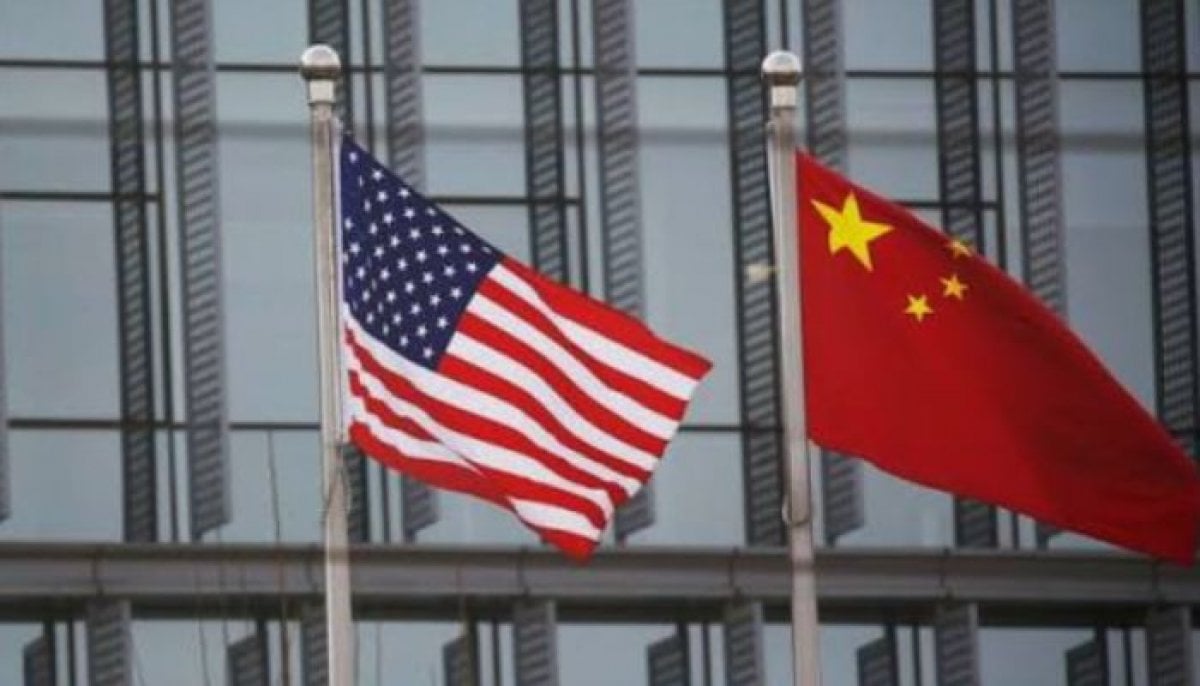 China calls on US to drop proposed expansion of outbound investment restrictions
 -
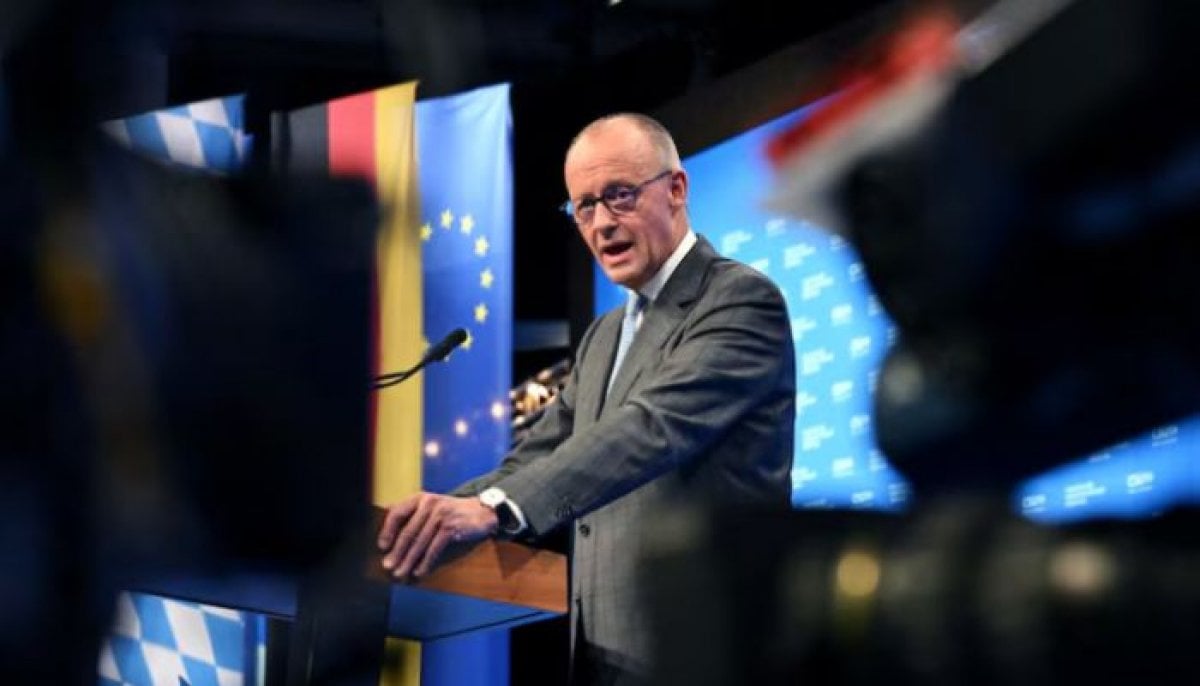 German chancellor Friedrich Merz calls for unity as he warns of threats facing Germany
 -
 Nancy Guthrie case: Reporter recalls strange scene without police tape at her home
 -
 France deploys 70,000 police to try to contain nationwide protests
 -
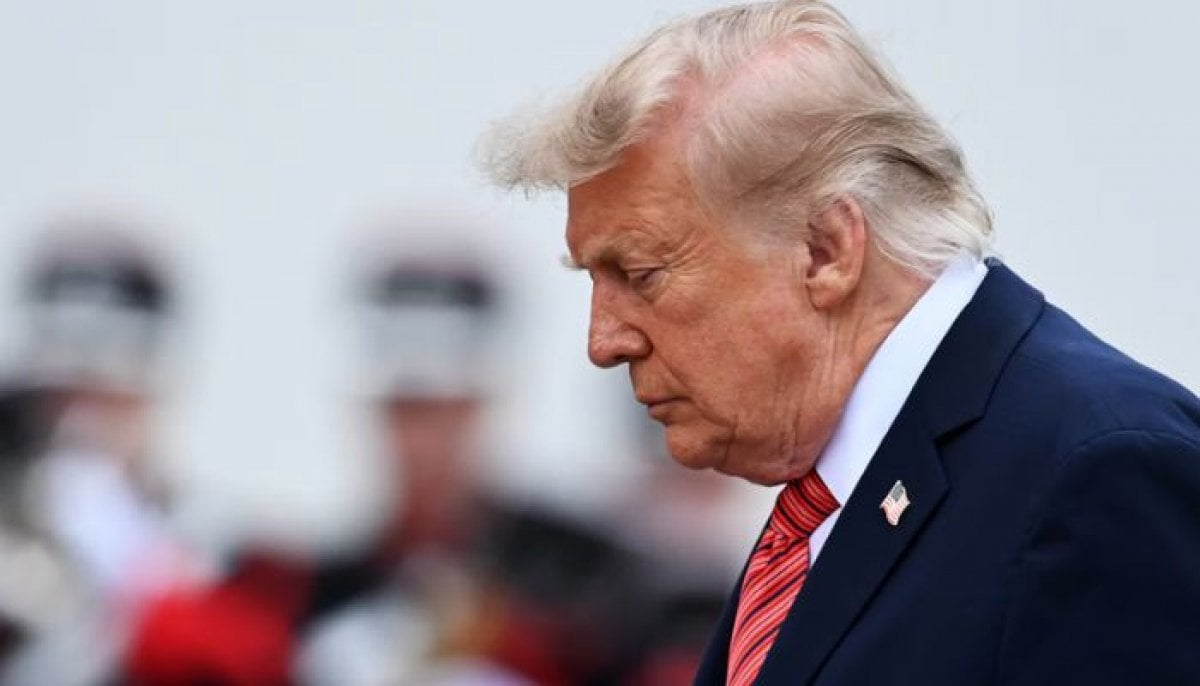 Trump foreign policy hits voters in the pocketbook, threatening GOP majorities ahead of midterms
 -
 King orders iron fist response to deadly church attack in Jordan
 -
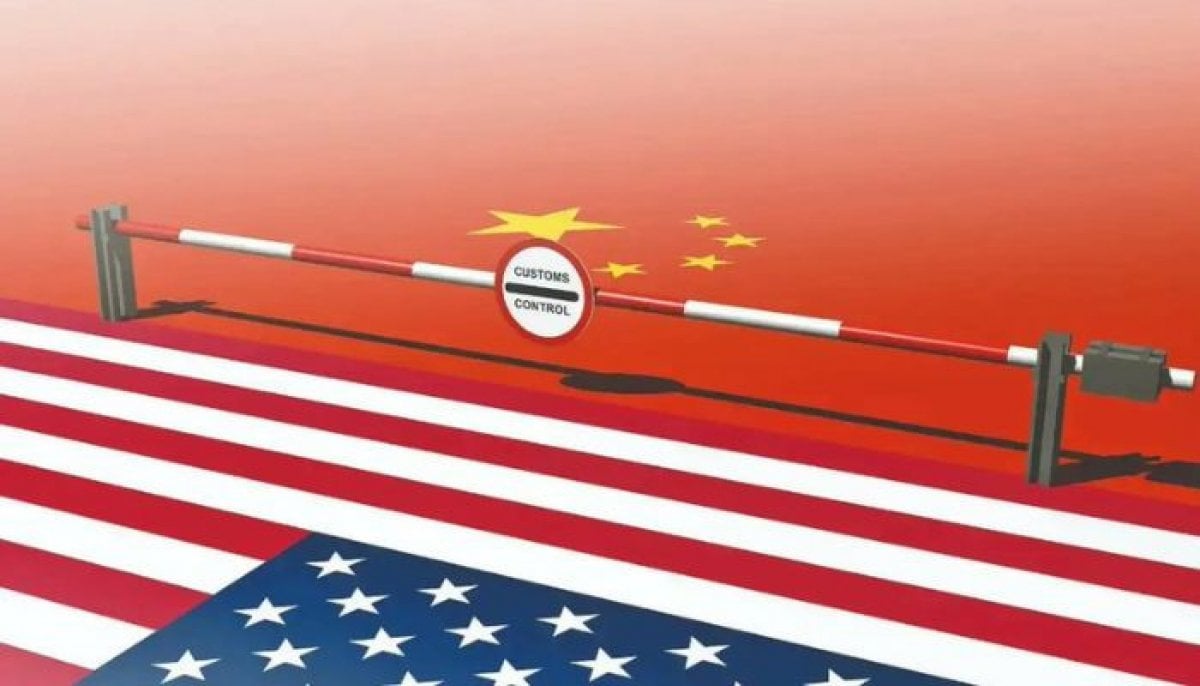 China urges US to halt expansion of outbound investment curbs
 -
 US announces ‘American-made’ seafood labeling initiative to support domestic fishermen