OpenAI updated its principles: Here's what quietly changed
OpenAI now stresses ‘iterative deployment’, suggesting that society should adapt step by step as AI systems
Sam Altman published a new set of operating principles on Sunday, and the gap between what OpenAI said in 2018 and what it says now tells a story about how the company sees itself, its rivals, and its responsibilities.
The original charter in 2018 from OpenAI referenced artificial general intelligence (AGI), which could be superior to humans in almost all economically valuable work, 12 times. In the 2026 charter, AGI is only referenced twice.
This change is not merely semantic. AGI was the organising principle of the former, while the latter is organised by the deployment of iterative AI within society.
"The world needs to grapple with each successive level of AI capability," the 2026 charter declares, a framing that elevates today's commercial applications, rather than any future superintelligence, as the central concern of OpenAI's philosophy.
The 2018 charter contained a particularly notable provision. If another research institute dedicated to safety were to make a breakthrough toward AGI before OpenAI, then OpenAI promised to end competition and collaborate.
The 2026 charter has removed this promise without comment. Instead, it concedes that, in certain cases, "trading off some empowerment for more resilience" may be necessary.
The valuation of Anthropic is close to $1 trillion, while that of OpenAI is near the middle of the range of $800 billion, as reported by Business Insider.
The 2018 charter uses first-person pronouns in their absolute sense: “we will", “we commit", and “our primary fiduciary responsibility is to humanity". In contrast, the 2026 charter addresses governments and the larger tech community to consider innovative economies and make ethical use of AI technologies.


-
 Meta faces pressure as publishers and advertisers urge EU, UK to suspend new terms
 -
 Cybersecurity warning: Major websites face potential global threat
 -
 Tesla, SpaceX merger could create $3.5tn giant
 -
 Meta sued in Australia over alleged social media addiction among children
 -
 US bank accounts at risk as unauthorised AI agents gain access
 -
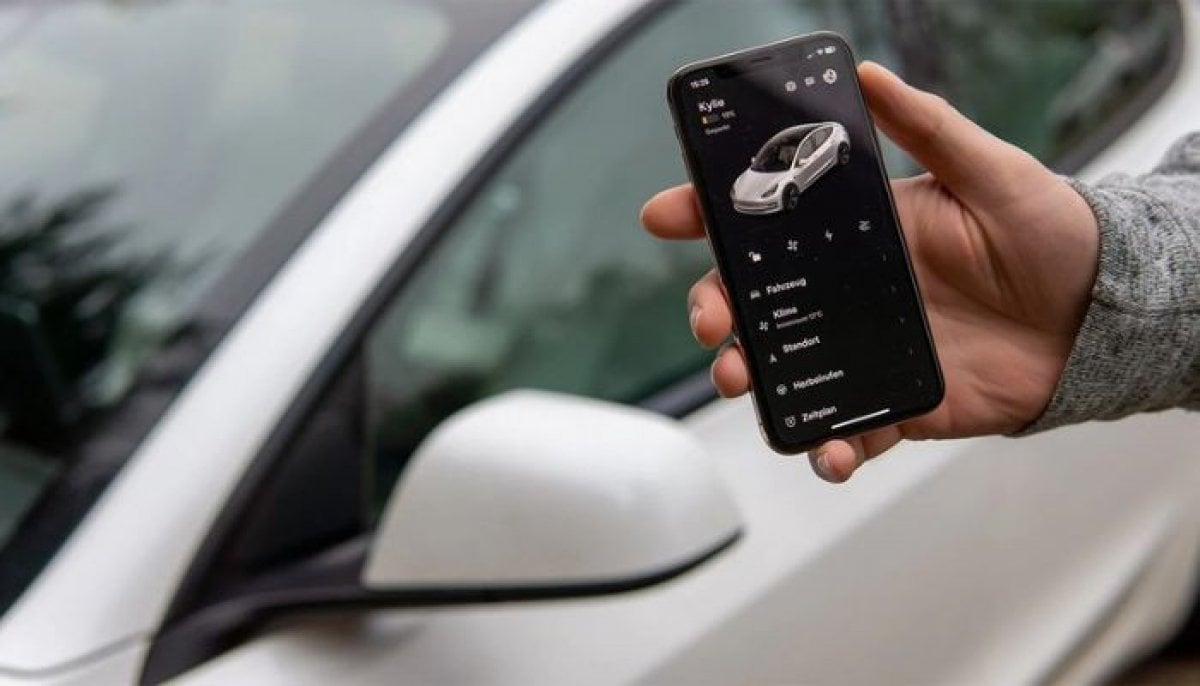 Tesla app 4.62 adds iPad support in 2 columns
 -
 PHP security vulnerability triggers millions of exploit attempts, Cloudflare warns
 -
 Is Apple’s iPhone Duo worth buying? Marques Brownlee weighs in