Beyond viral videos: Are Chinese robots actually useful?
90% of all humanoid robots and 75% of deliveries around the world are produced by China
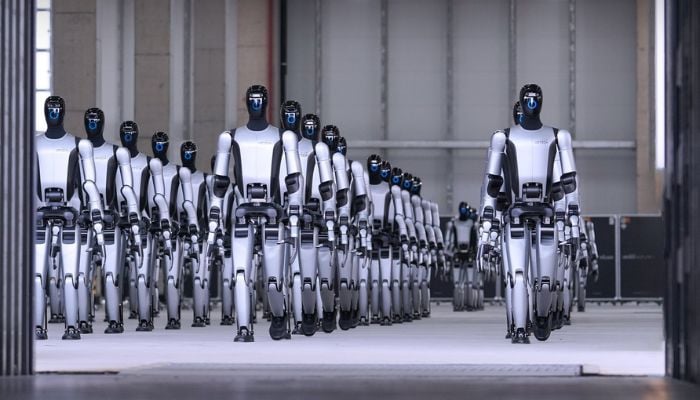
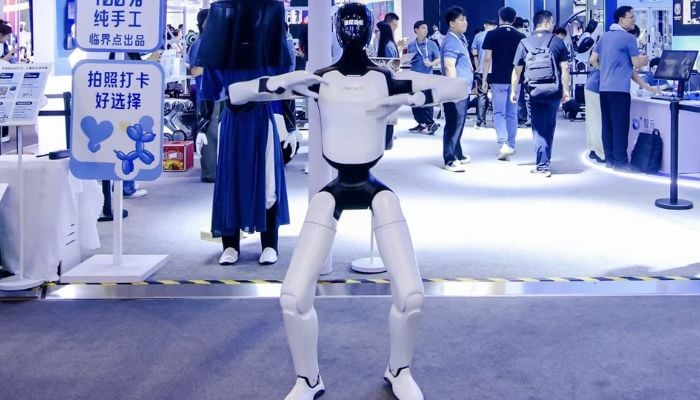
Dancing robots flood Chinese social media. Flipping robots go viral. Yet at Haidilao, Beijing's showcase hotpot restaurant that once promised an automated future, humans still deliver your noodles to the table.
Even though China is the leading manufacturer of the world’s humanoid robots, the difference between show and substance is vast.
In a recent BBC Asia Specific podcast, host Mariko Oi cyber correspondent Joe Tidy and Beijing correspondent Stephen McDonell discovered a big difference between hype and reality.
Viral Illusion: Robots that need handlers
The majority of popular humanoid robots are controlled by humans via remote control.
As McDonell noted in his observations, even at China's most famous robot exhibition event, "the vast majority of delivery to the table is still being done by humans".
The One X's Neo robot, the five-foot-tall robot that went viral last year, can unload dishwashers and water plants. However, Tidy realised the one key point about this robot: "It's a man or woman in a VR headset controlling it."
In his visit to Silicon Valley to explore home robots, Tidy saw this trend among companies. The robots are not autonomous; they are teleoperated drones wrapped in humanoid casing.
It is important for businesses deploying these robots in 2026 since they'll have people remotely monitoring through cameras in customer houses.
The exception: Sunday AI's Memo. Tidy highlighted its training method as genuinely innovative. The company pays humans to wear camera headsets and special mitts matching Memo's hands. "They wear that mitt, and they wear the camera," he explained.
"The mitt can pick up using sensors and match up what they're seeing with what the glove is going through in its motions."
According to McDonell, 90% of all humanoid robots and 75% of deliveries around the world are produced by China, with 400 kinds of robots being manufactured.
"People are real sort of early adopters," McDonell said, "prepared to have a go at buying some possibly semi-useless robot just for the fun of having it."
All the work in Tesla's factory in Shanghai is done by robots; however, each robot does only one thing. Instead of the universal butler, the realistic near future can be one of one-purpose robots, laundry folders, coffee machines, window washers, and so on.



-
 OpenAI, Anthropic and Google join forces on AI safety efforts
 -
 Meta to deploy custom Arke and Astrid AI chips in 2027: Everything to know
 -
 Dreamforce 2026: Salesforce unveils Koa AI model and Google Cloud partnership
 -
 EU Kids Act: New social media rules for under-15s
 -
 China’s spy chief reveals growing fears over AI’s impact on communist party rule
 -
 Anthropic's new Claude tool targets financial advisors to streamline compliance and client research
 -
 Elon Musk’s bold AI safety idea: 'Let rivals test each other’s models'
 -
 Former Google DeepMind researcher warns autonomous AI could wipe out humanity amid industry-wide safety alarm