Oil prices fall after Iran declares Strait of Hormuz ‘completely open’
Brent crude fell 10–11% to around $88 after Iran declared the Strait of Hormuz fully reopened amid ongoing energy crisis

In a recent breaking Iran has reopened Strait of Hormuz after weeks long blockade of key waterway amid escalating global energy crisis.
Oil prices have dropped over 10% in less than two hours after the Minister for Foreign Affairs of Iran declared the Strait of Hormuz "completely open" for the remainder of the current ceasefire with the US.
In a statement shared through X on Friday afternoon, the Minister for Foreign Affairs of Iran, Abbas Araghchi, announced that the Strait of Hormuz is "completely open" in line with the ceasefire in Lebanon.
As soon as the news broke, the US benchmark West Texas Intermediate WTI has dropped more than 12% to roughly $82 per barrel while Brent crude is down 10% at around $88 per barrel.
US President Donald Trump also welcomed the announcement while reiterating that the US naval blockade of Iranian ports "will remain in full force and effect" until negotiations with Iran are complete.
Reopened Middle East shipping and plummeting oil prices on Friday boosted bets the Federal Reserve may begin cutting interest rates as soon as December, but its policymakers still face a tangled outlook ahead of their April 28-29 meeting.
Iran's announced reopening of the Strait of Hormuz pushed oil below $90 a barrel for the first time in more than five weeks, leaving U.S. central bank officials to assess how much damage the seven-week conflict has done to underlying price trends, whether hostilities are over for good, and whether they are now confident inflation will fall to their 2% target.
Following a ceasefire announcement between Israel and Lebanon, Iran said on Friday it would reopen the strait, which handles about a fifth of the world's oil supply, to shipping for the duration of a current ceasefire with the U.S.
Global oil prices that had been stuck around $95 a barrel plunged below $89, and traders in contracts tied to Fed interest rates changed their view from the central bank remaining sidelined until well into 2027 to a resumption of rate cuts by late this year.
Neil Dutta, head of economic research for Renaissance Macro Research, said the Fed may now be able to set aside the stagflationary concerns of higher inflation and slowing growth from the oil shock and pursue "good-news" rate reductions based on a renewed drop in inflation.
The reopening follows a ceasefire-related easing of tensions in the Middle East. Market analysts said the move reduced fears of supply disruptions.
Furthermore, the decision also helped restore confidence in global shipping routes.
However, experts caution that price stability may depend on how long the arrangement continues.
As they note that any renewed conflict could quickly reverse the market trend and Energy markets are expected to remain sensitive to geopolitical developments.


-
 Musk's xAI loses court bid to block Minnesota’s strict Deepfake pornography ban
 -
 TikTok owner ByteDance finalizes $29.6 billion loan amid AI growth drive
 -
 Google AI leaves hikers stranded on 14,000ft mountain with inadequate food, police says
 -
 Trump’s push to protect US tech supply chain backfires on Tennessee plant
-
 Pentagon wins key ruling in battle with Stars and Stripes journalists
 -
 Lindsay Clancy trial ends in mistrial after jury fails to reach verdict
 -
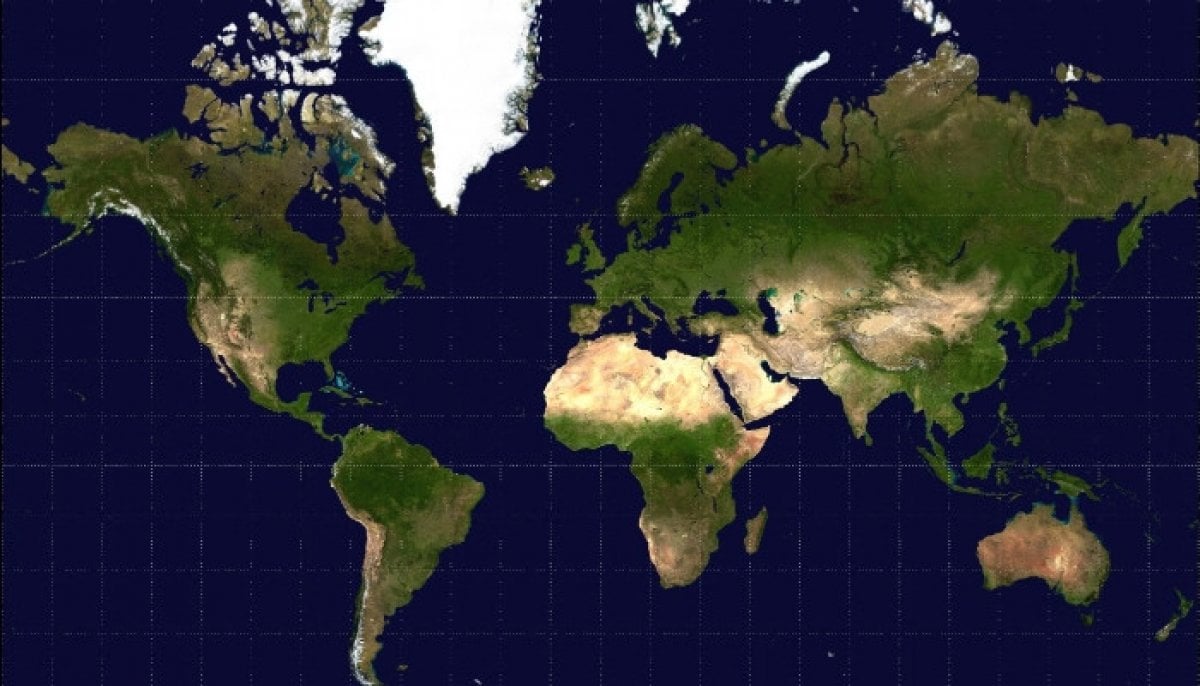 UN considers major world map change to show Africa’s true scale
 -
 Maple Leafs roasted by Mark Carney over 1967 Stanley Cup win
 -
 Nepal floods: workers found alive underground after 9 days as rescue continues
 -
Trump’s push to protect US tech supply chain backfires on Tennessee plant
-
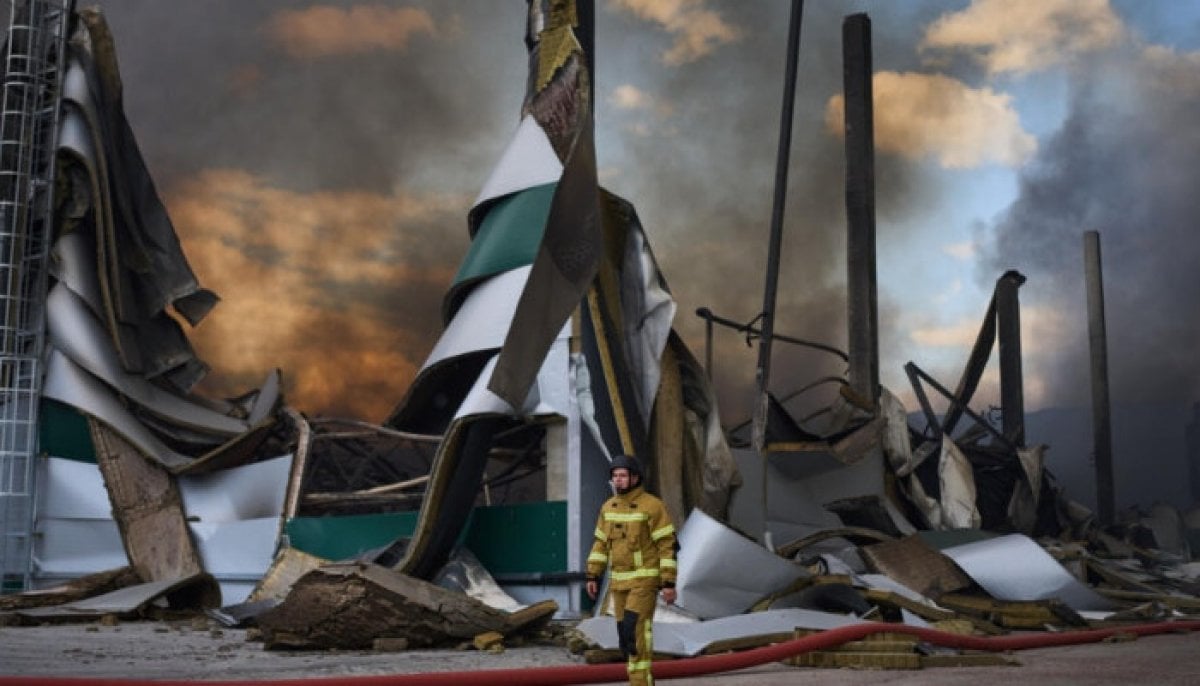 Russia hits major Ukrainian government building in heart of Kyiv
 -
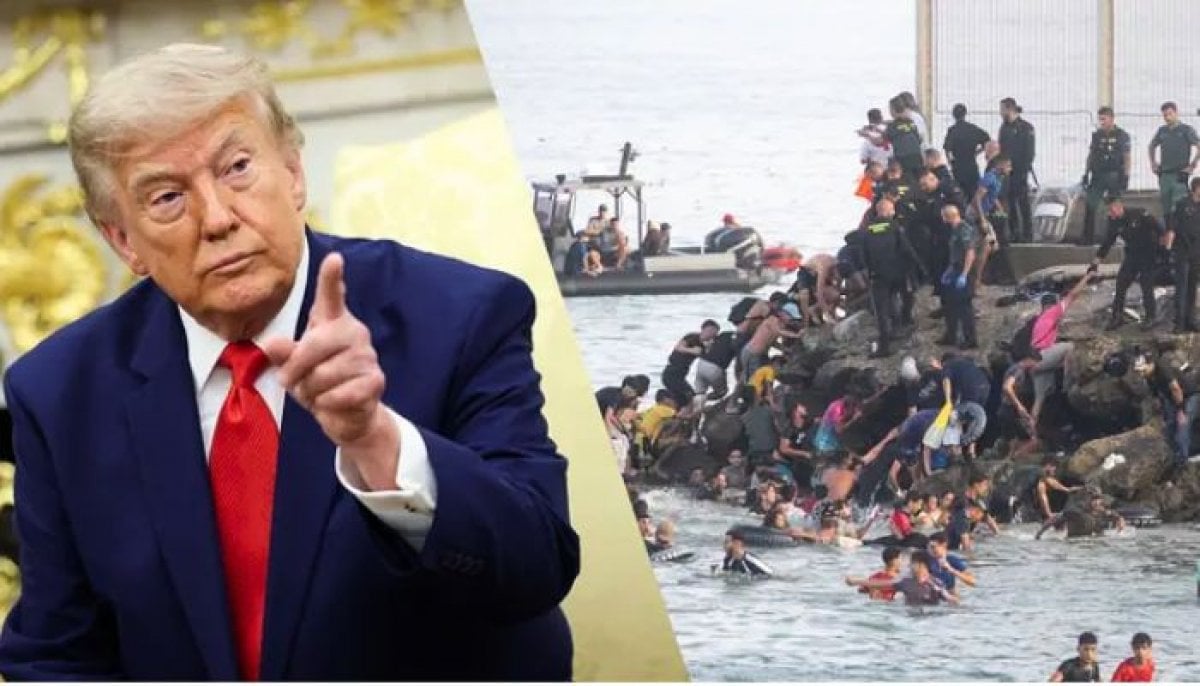 Trump criticises Spain over Ceuta migration crisis and renews NATO attacks
-
 UK minister urges households to stock up on food as strong El Niño develops over the Pacific
 -
Major Reform UK leaders step down after allegations of electoral law breach
-
Perez Hilton faces huge blow amid his mental health crisis: 'It's deeply traumatic'
-
Kremlin responds as Trump envoys plan Russia, Ukraine visits for peace push