Where were the first animals? Scientists discover rare fossil
Sea sponge fossil found in China dates back 550 million years, filling a 160-million-year gap in evolution

A 550-million-year-old sea sponge fossil discovered in China is helping scientists resolve a 160-million-year gap in the early history of animal life. The finding offers exceptional physical proof which scientists had believed to have disappeared from the fossil record of this bygone era before new evidence emerged about the evolutionary development of ancient sponges.
The discovery which Virginia Tech researchers and Shuhai Xiao published in Nature establishes a definite link between the fossil and the period which scientists refer to as the "lost years" of sponge evolution.
After a collaborator sent an image to Xiao, the fossil became visible for the first time along the Yangtze River in China. The unusual structure of the object led to multiple institutions investigating the case, which included the University of Cambridge and the Nanjing Institute of Geology and Palaeontology.
The researchers eliminated all possibilities that the specimen resembled sea squirts, anemones and corals before they determined it to be an ancient sponge. The specimen measures about 15 inches and displays a complex conical structure which has a unique grid pattern covering its surface.
The structure suggests a close relation to modern glass sponges, but its size and complexity surprised scientists. Researchers had expected early sponges to be far smaller and simpler in form.
One of the main theories that explains the long interval without fossil evidence is that the first sponges did not form any skeletal parts out of minerals. Thus, they would hardly preserve themselves within fossils because of their softness.
This research reinforces previous studies that suggest that the evolution of sponge spicules was characterised by increased mineralisation throughout the process. Therefore, if there existed only soft-bodied sponges at the initial stages, then few specimens would preserve within rocks.
Modern scientists state that early animal evolution could be underestimated within the paleontological data because of the lack of fossils caused by preservation bias and not their non-existence.






-
 Scientists found 'super-puff' planets 1,110 light-years away
 -
 Scientists find ancient microbial life in places it shouldn't exist
 -
 Why Marijuana is suddenly sending thousands of dogs to hospitals in US?
 -
 36 years on, Hubble shows how stars actually change over time
 -
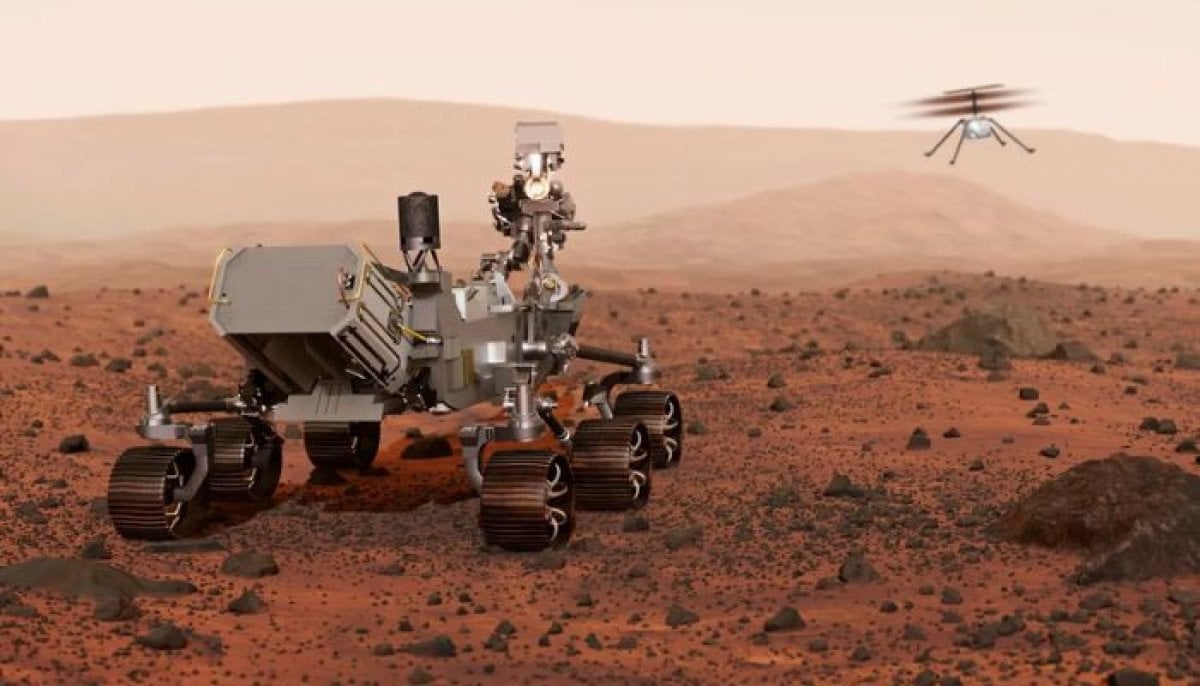
 Hidden magma beneath Mars? Scientists' 'unexpected' discovery raises new questions about alien life
 -
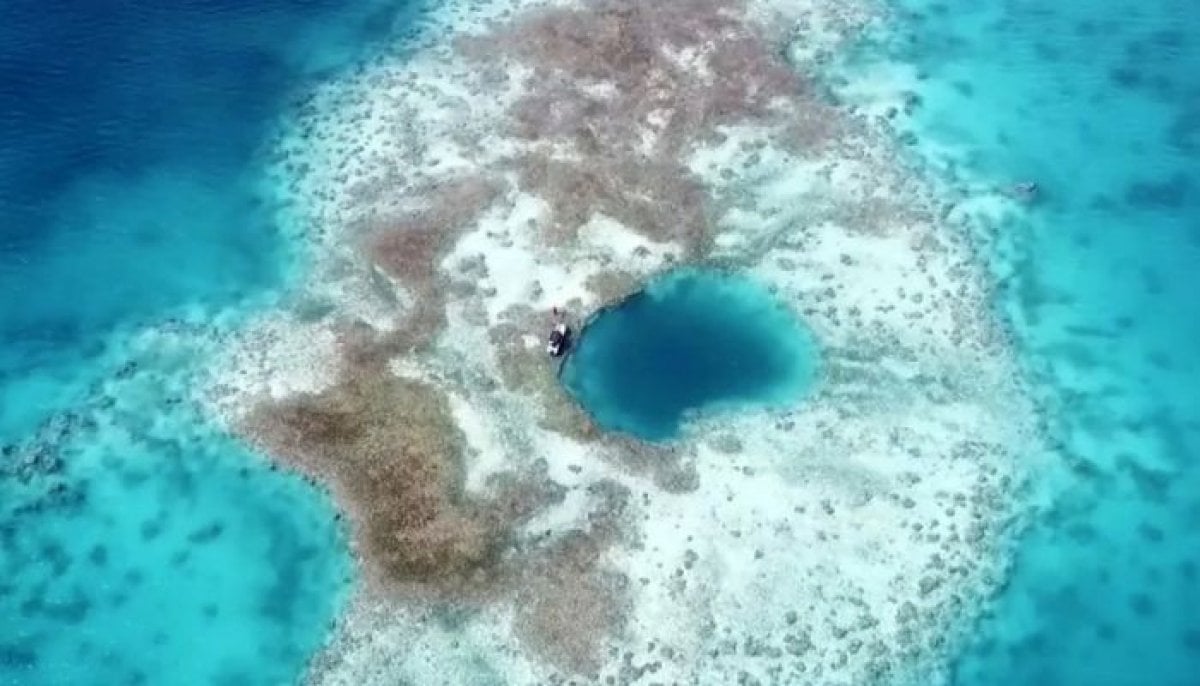 Rare 3,200-year-old coral blue hole discovered in South China Sea
 -
 What happens at black hole’s event horizon? Scientists find the first-ever clue
 -
 Scientists discover evidence of fires used by humans 1.8 million years ago
-
 Did NASA just uncover evidence of ancient life on Mars? Key discoveries explained
 -
Four powerful earthquakes strike three continents within hours: Scientific link or coincidence?
-
Mysterious interstellar comet passing our solar system may be 12 billion years old, scientists say
-
When do we really become adults? Science has an answer