SpaceX: Falcon 9 boosts record-setting ‘Cygnus XL’ cargo spacecraft toward the ISS
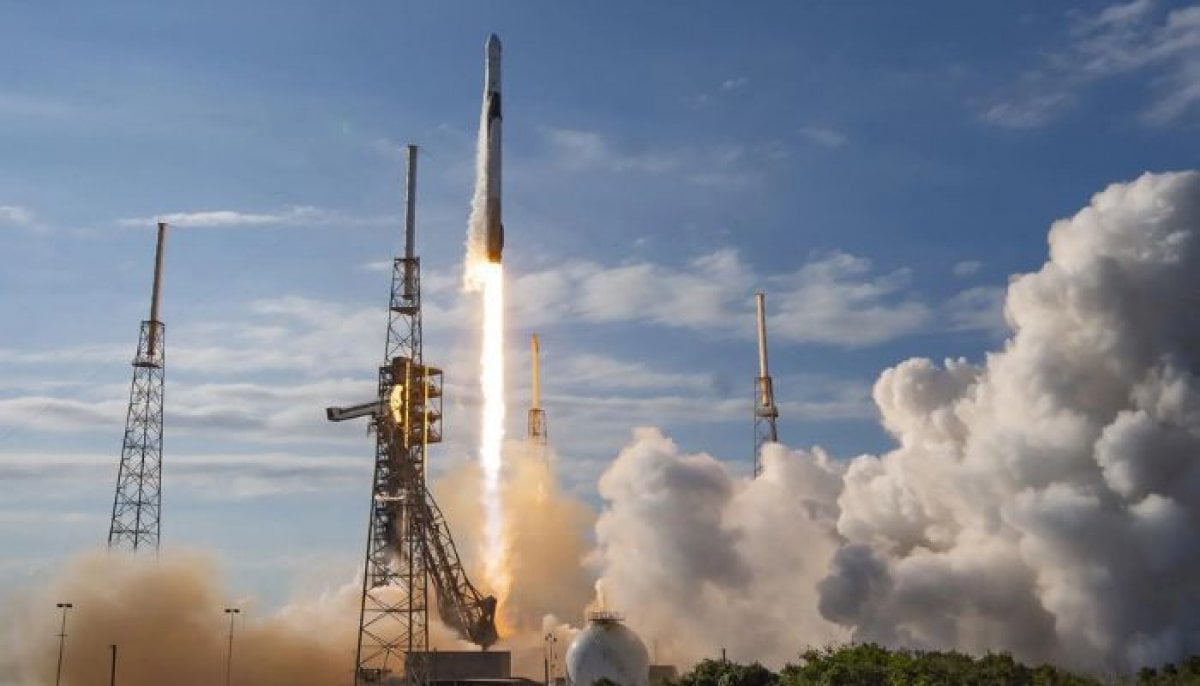
A Falcon 9 rocket is ready to lift off from Cape Canaveral Space Force Station in Florida
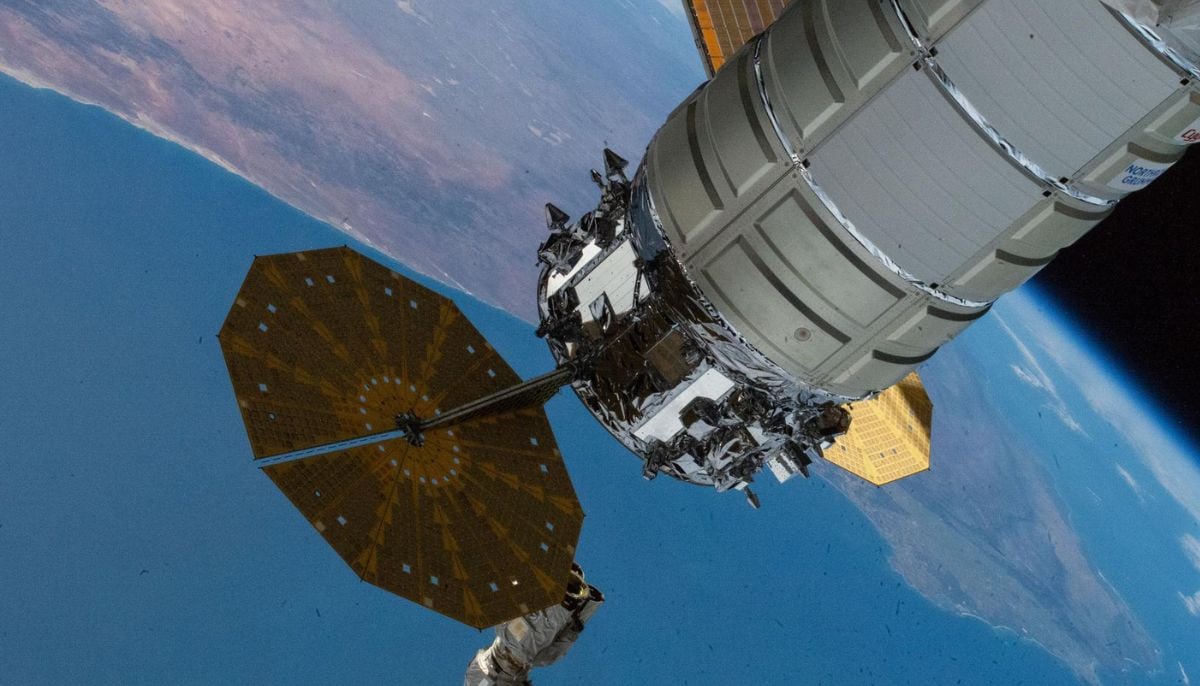
SpaceX has taken a big step forward in launching a big cargo ship today, aiming for another major milestone. A Falcon 9 rocket is ready to lift off from Cape Canaveral Space Force Station in Florida on Saturday at 7:41 a.m. EDT to send Northrop Grumman’s second Cygnus XL freighter toward the International Space Station (ISS).
Live coverage begins via NASA at 7:20 a.m. EDT (1120 GMT). The “XL” designation reflects the spacecraft’s significantly increased payload capacity; while the original Cygnus version maxed out at 8,500 pounds, the enhanced XL model can carry approximately 11,000 pounds.
This added room allows for more ambitious scientific research to reach the orbiting laboratory. The station’s Canadarm2 robotic arm will grapple the vehicle to begin the berthing process. Following a standard mission profile, the freighter is expected to remain attached to the station for several months before its departure.
Cygnus is part of an international fleet of four robotic spacecraft servicing the ISS, alongside Russia’s Progress, Japan’s HTV-X and SpaceX’s Dragon. Unlike the reusable SpaceX Dragon, the Cygnus XL is a “one-way” vehicle. After completing its stay and being loaded with station trash, it will perform a controlled de-orbit, burning up entirely in Earth’s atmosphere. This fiery conclusion mirrors the end of its first successful XL mission, which departed the station in March 2026.


-
 NASA’s next Mars mission targets Phobos and Deimos, not Red Planet
 -
 Is AI ready to rewrite our understanding of physics?
 -
 Astronomers identify possible first green star in 27 years of research
 -
 New study sounds alarm as Doomsday Glacier melts more aggressively than thought
 -
 Hubble data hints at planet born after its star died
 -
 NASA to brief public on Artemis III mission progress
 -
 ‘Time capsule beneath the sea’: World’s oldest shipwreck holds secrets from Great Pyramid era
 -
 NASA spots mysterious V-shaped scar stretching 700 light-years across space