Breakthrough drugs could finally tackle deadliest ‘undruggable’ cancer mutation
KRAS mutant has been difficult to target due to its structure and properties
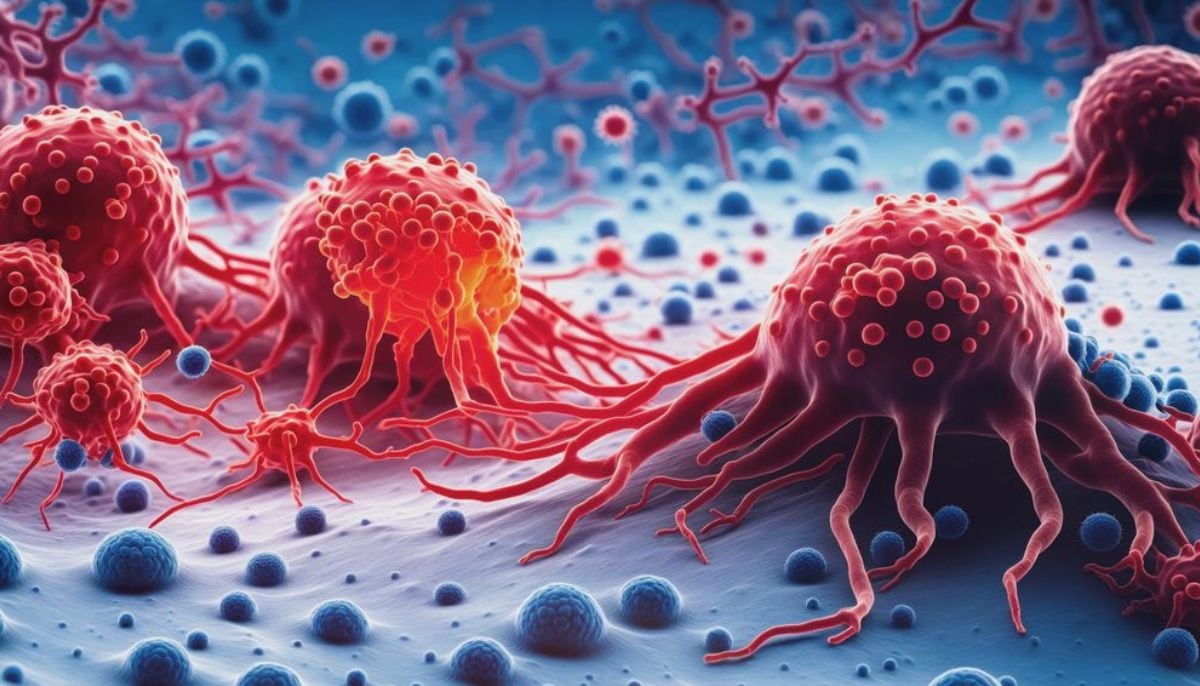
For decades, KRAS, one of the deadliest cancer-causing mutant proteins, has been considered impossible to target due to its smooth surface and lack of binding pockets.
To tackle the growth of cancerous cells has always been challenging, leading to persistent disappointment among the scientific community.
KRAS also poses an “undruggable” challenge, acting like an "on/off" switch for cell growth. Mutations lock it in the "on" position, causing uncontrolled tumor growth.
Moreover, its smooth physical structure makes it difficult for traditional drug molecules to "latch on" and disable it.
Now, a new hope has been renewed in the form of a game-changing breakthrough in drugs during the trials. New strategies, specifically protein degraders and multi-mutant inhibitors, are showing success in clinical trials.
Recent breakthroughs
In one clinical trial, a drug has shown efficacy against KRAS protein mutant. Other four trials are also ongoing, demonstrating effective inhibition against several different mutant forms of KRAS and related proteins.
The drugs act as protein degraders. Instead of just blocking the protein, these drugs bind KRAS to an enzyme named E3 ubiquitin ligase.
The enzyme marks KRAS as “cellular rubbish”, prompting the cells to physically destroy the mutant.
Kevan Shokat, a chemical biologist at the University of California, San Francisco, said “The amount of complexity and gymnastics that has to happen, sometimes your protein can get degraded, sometimes it just can’t.”
In March, the researchers reported the promising results of the first KRAS degrader to be tested in humans. A recent trial showed tumour shrinkage in over 1/3 of lung cancer patients and 1/4 of pancreatic cancer patients driven by a drug named setidegrasib made by Astellas Pharma in Tokyo.
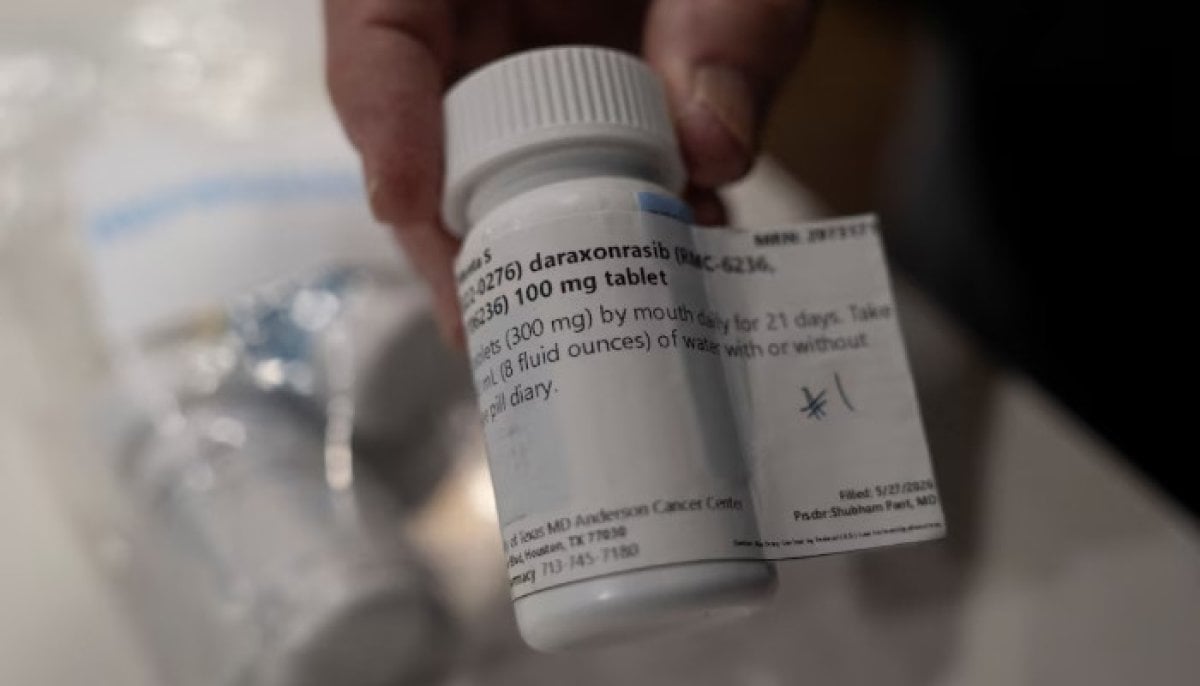
In another progressive development, one inhibitor named daraxonrasib also disrupted active but various forms of KRAS and its relative mutants, inhibiting their ability to drive cancer.
Key challenges
One of the biggest challenges is drug resistance exhibited by cancerous cells due to its greater adaptability.
The resistance comes in different forms, involving new mutations developed by KRAS or the cell may activate backup pathways to trigger tumour growth despite KRAS being disabled.
Combination therapy: the next frontier
According to experts including Kevan Shokat and Dieter Saur, the next breakthrough lies in “combination therapy.” Even the data suggest that different types of inhibitors can be proved more effective than a single use.
“If we combine them in the right way, we can get huge synergy. It’s just going to be a matter of time,” Shokat said.


-
 FDA clears first age-reversal gene therapy trial for vision loss
-
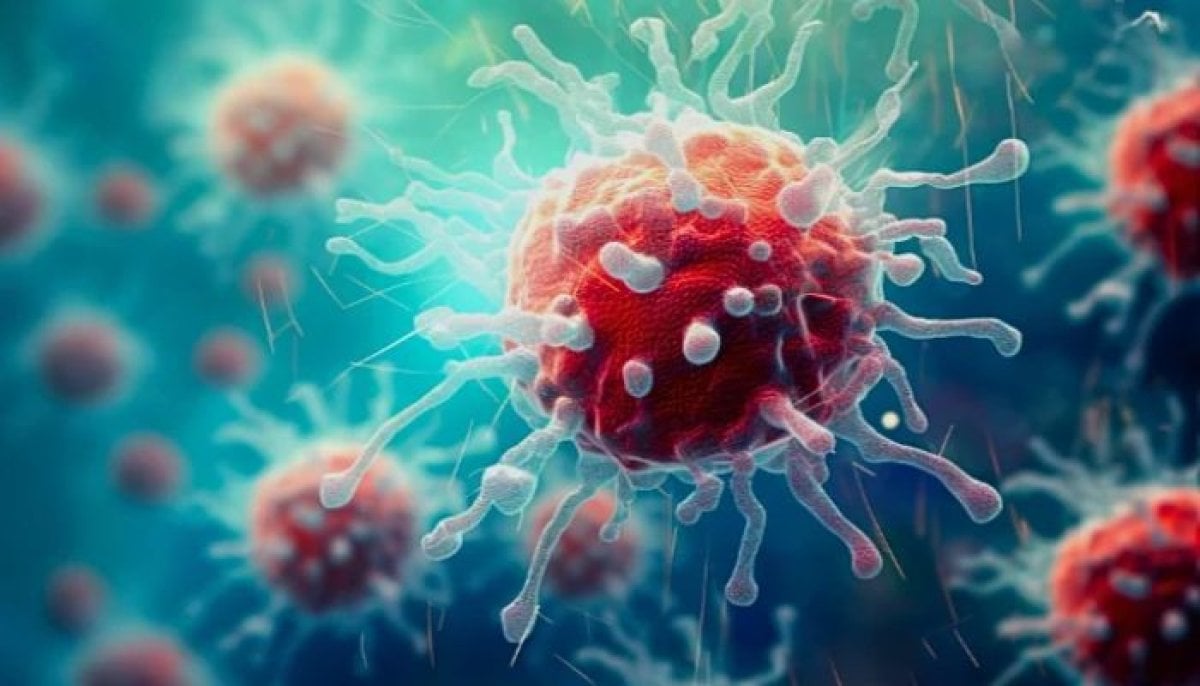 Cancer cells can turn back into normal cells, claim Korean scientists
-
 Does smoking increase infertility risk? WHO explains the dangers
-
 Doctor sheds light on how to detect sugar problems early with simple sign
-
 COP31 climate talks in Turkey near a close: Delegates issue reactions
-
 Gordon Ramsay reveals morning habit that could lower cancer risk
-
 Kidney disease warning signs laid bare: Signs that need attention
-
 Is workplace stress taking a toll on your mental health? How to recognise anxiety
-
 Virginia reports first measles-related death amid measles elimination status loss
-
Pancreatic cancer treatment sees major breakthrough with latest medicine
-
Higher cholesterol linked to severe depression? Research answers pressing question
-
New pancreatic cancer drug makes tumours disappear in some patients during trial