What is the truth behind the Don Pettit ISS space potato photo that shocked the internet?
NASA continues to experiment with growing food in space, as fresh produce is considered essential for long missions
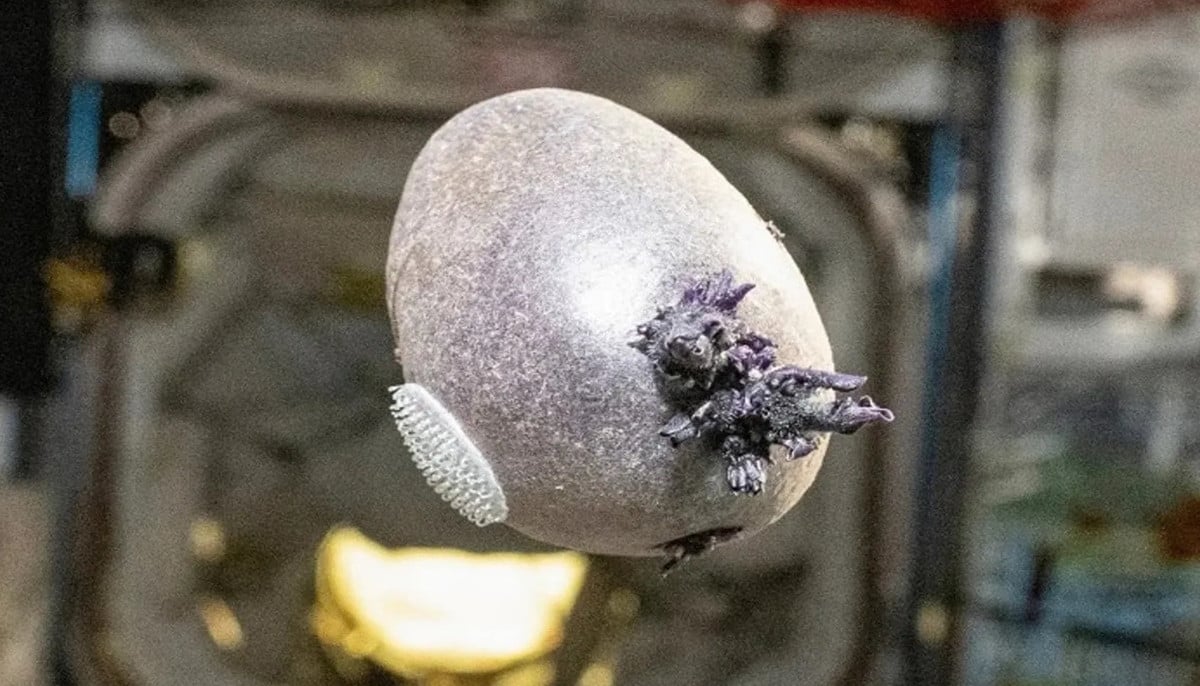
A viral image shared by Don Pettit from the International Space Station has sparked confusion online, after a strange, tentacled object appeared to resemble something out of science fiction.
The post, widely circulated on X, showed a grey, lumpy object with sprout-like extensions, leading some users to speculate it was something alien.
One commenter wrote: “I genuinely thought this was some kind of egg hatching.”
Another said: “Somehow the Velcro makes it look alien. Time to bring back quarantines.” A third added: "That's how it starts.”
However according to Pettit, the explanation is far more ordinary. The object is a potato grown in orbit, which he named Spudnik-1.
“This is an early purple potato, complete with a spot of hook Velcro to anchor it in my improvised grow-light terrarium,” Pettit said.
“I flew potatoes on Expedition 72 for my space garden, an activity I did in my off-duty time.”
Responding to questions about growing crops in microgravity, he explained: “The roots would grow in all directions absent gravity, and all plants I have ever grown in space have grown far slower than they would have on Earth.”
NASA continues to experiment with growing food in space, as fresh produce is considered essential for long missions where nutrients in packaged food degrade over time.


-
 Baltimore Ravens acquire Cam Jurgens from Eagles for two draft picks
 -
 Trump threatens to fire his top advisers over reported work for pro-Russian government
 -
 Ukraine accuses Russia of deadly ‘birthday’ attack for Vladimir Putin
 -
 Trump believes Russian 'plague' is unlikely to be 'bioweapon'
 -
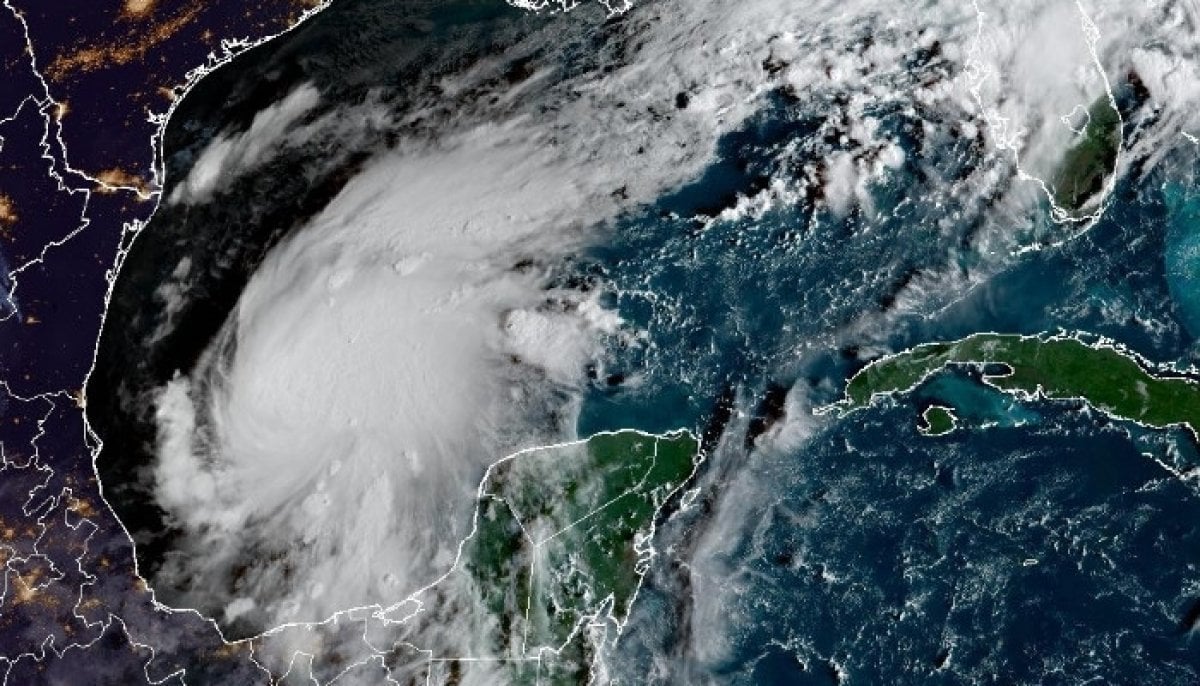 Florida on alert as Tropical Storm Isaias could become season’s first hurricane
 -
 Ken Paxton sounds alarm over Senate bid in leaked audio: ‘It’s the war, it’s gas prices’
 -
 ICE investigated non-profits over alleged ‘illegal alien voter registration’
 -
 US agency weighs easing rules on AI political robocalls to cellphones ahead of election
-
 Christa Pike was stuck with ‘at least seven needles’ during failed execution, lawyers say
 -
Mike Rogers turns against Trump’s Canada tariffs in Michigan Senate race
-
Lindsay Clancy’s ex-husband and new wife make big move as they prepare to welcome baby
-
French lawmakers reject pension tax cuts as national budget review begins