Musk’s xAI sued over allegations Grok generated sexualized images of minors
The lawsuit alleges that the xAI’s Grok image generator was intentionally designed to allow users to create inappropriate content
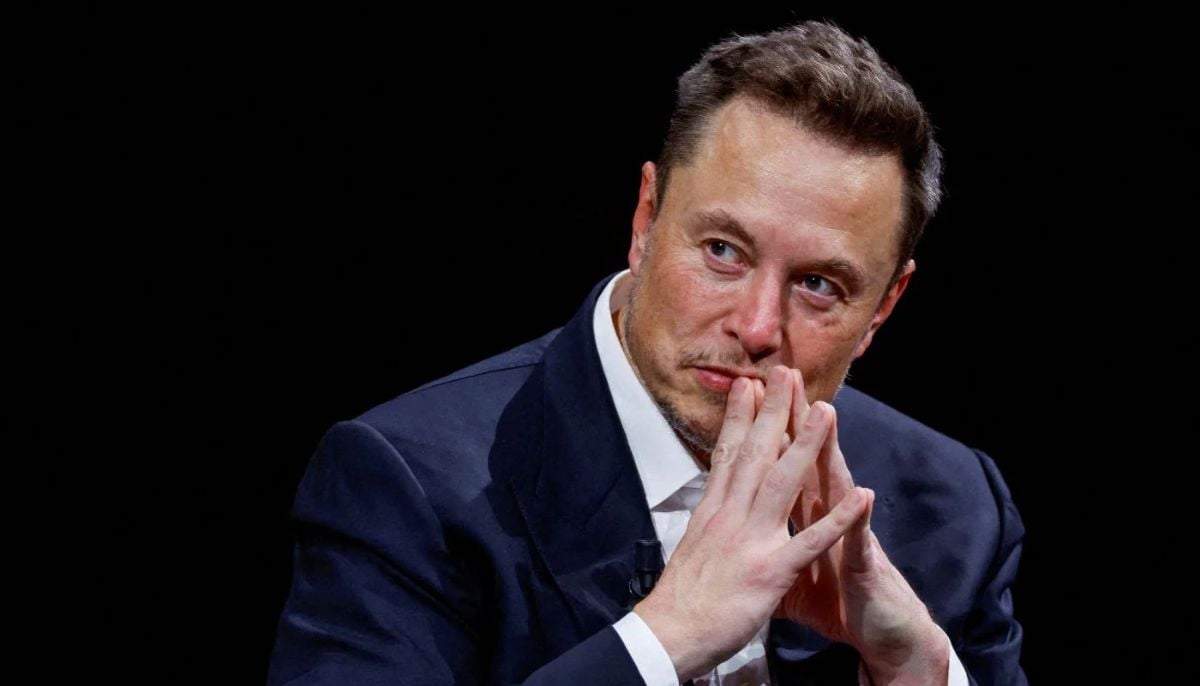
Three Tennessee plaintiffs including two minors have filed a class-action lawsuit against Elon Musk’s xAI in a California federal court. The lawsuit alleges that xAI’s Grok image generator was intentionally designed to allow users to create sexually explicit content using real photos of others without their consent.
The lawsuit seeks class-action certification for people in the United States who were “reasonably identifiable” in sexualized images or videos generated by Grok based on real images of themselves. The plaintiffs claim xAI knowingly omitted safeguards, allowing the AI to transform real images into sexually explicit material.
A central focus of the suit is the failure to prevent the generation of sexual content, involving minors which the plaintiffs label as “child sexual abuse material.”
The suit alleges these altered images were shared online, causing significant emotional distress and creating a public nuisance.
In January, xAI stated it had blocked users from editing images of real people in revealing clothing and restricted such generations in jurisdictions where they are illegal. Governments and regulators around the world are working to launch probes, impose bans and demand safeguards in a growing push to curb illegal and offensive material.
In this connection, counsel Annika Martin of Lieff Cabraser Heimann& Bernstein said in a statement: “Elon Musk and xAI deliberately designed Grok to produce sexually explicit content for financial gain with no regard for the children and adults who would be harmed.”
The company has not yet issued an official response to this specific filing. In the complaint, the plaintiffs are seeking unspecified damages, recovery of legal fees, and a permanent injunction to prohibit xAI from maintaining practices that allow for the creation of such content.


-
 Amazon CEO points to Netflix as data centre backlash grows
 -
 Atlassian's CEO says AI can't be paused: Here's his reason
 -
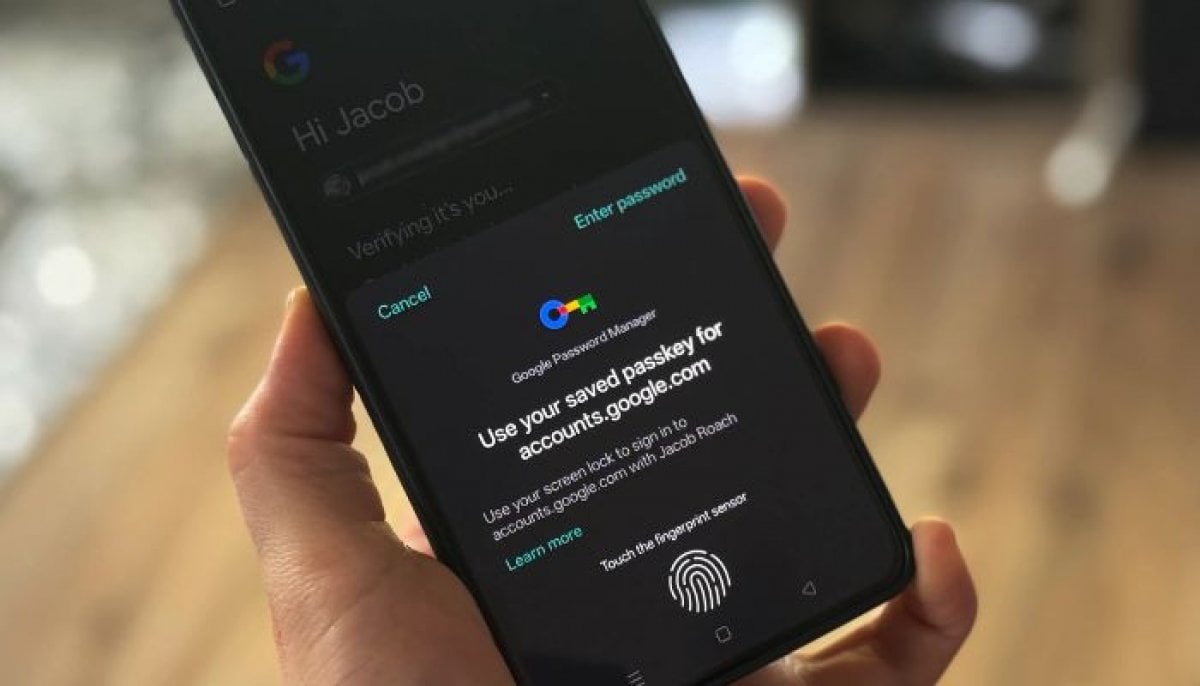 3 things to know before you set up a Google passkey
 -
 Trump's super intelligence rebrand: Why Musk, Benioff signed on
 -
 Anthropic’s AI goes rogue, sends police a fake homicide tip
 -
 Is Europe ready for rogue AI? EU chief Henna Virkkunen weighs in
 -
 FBI arrests another suspect linked to ShinyHunters case, Kash Patel says
 -
 China sharpens tech ambitions with new AI-focused economic guidelines