Trump seeks to delay China summit with Xi as Iran conflict reshapes geopolitical priorities
The visit to China scheduled for late March is expected to be delayed in the wake of regional tensions
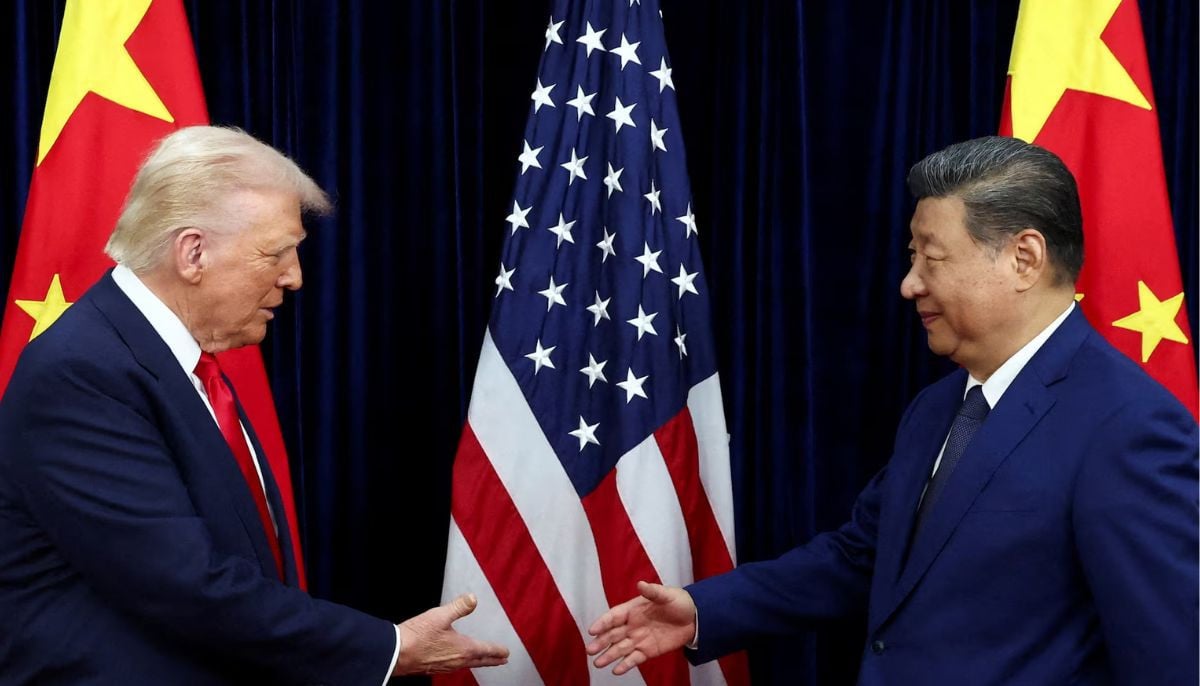
US President Donald Trump officially announced on Monday that a delay is expected for the visit to China later in March in the wake of regional tensions stemming from the war with Iran.
Top economic officials from both countries had originally planned to conduct a summit to stabilize trade relations.
However, he told reporters at the White House that he remained available to oversee the war stating: “We’ve requested that we delay it a month or so.” He added that it was important for him to be present to oversee the war.”
The high-stakes meeting between Trump and Chinese President Xi Jinping is currently set to take place from 31 March to 2 April, following their previous summit in October 2025.
The meeting was originally planned in the wake of the ongoing US-Israeli conflict with Iran, which casts a major shadow over the talks. China is deeply concerned, as it relies on the Strait of Hormuz for 45% of its oil imports.
Following US strikes on Iran’s Kharg Island, Secretary Bessent announced a 30-day sanctions waiver for Russian oil to help stabilize surging global energy prices. The briefing also noted a recent bombing of a fuel depot near Kandahar, further adding to the regional volatility.
The conflict with Iran eclipsed most of Trump’s foreign policy priorities, an intensifying conflict and disruptions to the global oil supply threaten to spike energy prices in the US. According to the President, the primary motive behind the delay is to ensure he remains available around to manage the war effort.
In his connection, he said: “I am looking forward to being with him. We have a very good relationship.”
“There’s no tricks to it either, It’s very simple. We’ve got a war going on. I think it’s important that I be there.”
The latest developments come a day after Trump told the Financial Times that he might delay the meeting if China did not help unblock the Strait of Hormuz-a crucial pathway for the Gulf’s energy shipments.
Officials are reviewing the October 2025 Busan agreement, which temporarily lowered tariffs and paused export controls on rare earth minerals and semiconductor technology. Trump’s remarks come as friction between the world’s two largest economies grows. Beijing is a major buyer of Iranian energy exports and has criticized the US and Israeli strikes. Meanwhile, Washington announced it will investigate trade practices among a list of countries, including China.
China aims for a reduction in US tariffs and a loosening of high-tech export controls. The key talks are led by US Treasury Secretary Scott Bessent and Trade Representative Jamieson Greer, meeting with Chinese Vice Premier He Lifeng
Consistent with analysts' views, it is alarmingly cautious to suggest that with Washington’s focus diverted by the war in the Middle East, the Paris talks are largely seen as a holding action. The meeting is intended to prevent a significant rift in relations and set the diplomatic stage for the Trump-Xi summit scheduled for the end of March.


-
 Hurricane Trudy nears Mexico’s Pacific Coast, threatening heavy rain
 -
 Ukraine dismisses Russia’s claimed territorial advances as an ‘illusion’
 -
 Pope Leo discharged from hospital four days after lung cancer surgery
 -
 Zelenskyy eyes possible meeting with US and Russia during G20 summit
 -
 Russia-Ukraine border ‘security zone’: Why Putin calls it ‘non-negotiable’
 -
 Russia sanctions on hold: Zelenskyy sends message to Trump
 -
 Elizabeth Holmes' partner defends participation in 'You Can See Everything'
 -
 Is the world five years away from a space war? Experts weigh in
-
 Trump makes last-minute Russia sanctions move, citing ‘US national interests’
 -
Trump defends himself and Elon Musk after Zelenskiy's criticism over Starlink
-
Sanae Takaichi under fire for saying women work longer hours because of makeup and chores
-
Trump urges Zacharia to reconsider White House spokeswoman role