
Tropical Cyclone Horacio becomes world’s first category 5 superstorm of 2026: Latest forecast & risks explained
Category 5 storms have sustained winds above 157 miles per hour, generating extreme rainfall and towering ocean waves
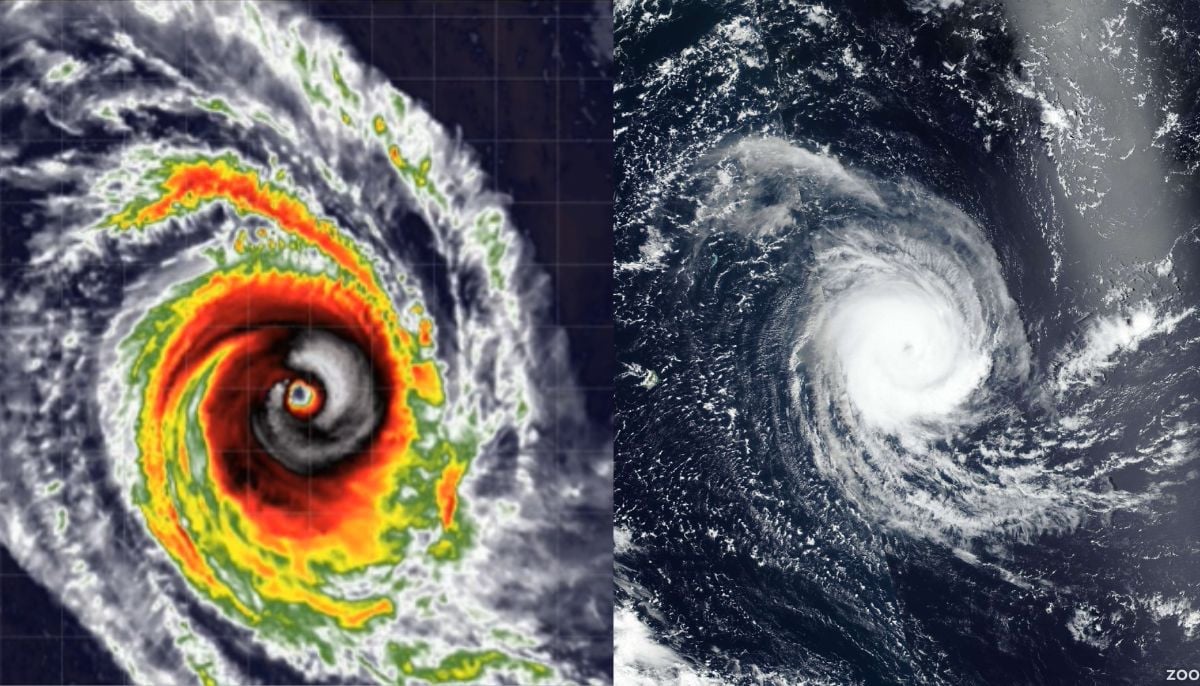
Tropical Cyclone Horacio has just strengthened into Category 5, the strongest type of storm. It is the first storm anywhere in the world to hit this intensity in 2026.
The cyclone has formed over the South Indian Ocean, demonstrating high wind speed reaching 161 mph.
Recent forecast
According to the latest forecast issued on Tuesday by the US Joint Typhoon Warning Center (JTWC), Tropical Cyclone Horacio is moving south-southwest over open waters east of Madagascar with sustained wind speeds of 161 mph (259 km/h).
Recent satellite imagery also showed a compact and highly symmetrical cyclone with a definite eye.
As per JTWC, the cyclone is strengthening because of certain favourable conditions:
Warm water: The ocean temperature, which is about 27-28 degrees celsius, acts as fuel for the storm.
Moderate wind shear, meaning there are not enough strong crosswinds to break the storm apart and reduce its intensity.
The storm is also able to breathe well because of strong upper-level outflow, helping it maintain its power.
Warning and risks
Cyclone Horacio is far from any land, however it poses risk to those who are nearby the marine ecosystem.
The Mauritius Meteorological Service issued a heavy swell warning for Rodrigues, a small island located about 350 miles east of the main island, at 4:30 a.m. Tuesday, valid until early Wednesday.
According to forecasters, Horacio-generated swell would be capable of producing waves as high as 7 meters beyond the reefs. These swells will impact both low-lying coastal areas and lagoons.
Which countries will be affected?
Although Horacio has formed in the South Indian Ocean, it poses no direct threat to India and other nearby countries. However, Mauritius issued an advisory, urging vessels to avoid the region.
Climate change, main culprit?
According to scientists, climate change is responsible for warming the oceans, leading to stronger tropical cyclones. The warmer sea surface temperatures provide favourable conditions for strong storms.
But, not every cyclone is caused by climate changes as other factors also influence the cyclone strength.


-
 Iran restores 90% of missile facilities after strikes, US intel says
 -
 PCOS renamed PMOS: What new diagnosis means for millions of women’s health
 -
 EU cracks down on social media’s addictive design practices with new legislation
 -
 ‘Godzilla’ El Nino warning: Rare weather pattern could make 2027 hottest year ever
-
 Can Keir Starmer’s successor stabilize UK markets amid rising pressures? Here's what to expect
 -
 Iran war could cost US taxpayers $1 trillion, expert warns
 -
 The frontrunners who could replace Keir Starmer as party leader and British prime minister
 -
 Philippine Senate lockdown after shots fired during ICC arrest attempt
 -
 Stephen Cloobeck, one-time Governor hopeful, arrested by cops
 -
 Iran war is shrinking global oil reserves at a record pace, IEA says
 -
 Another outbreak hits separate cruise ship after hantavirus panic
 -
 Trump just arrived in Beijing as all eyes turn to high-stakes China visit
-
 Savannah Guthrie sparks growing concern with major announcement: 'She's grieving, she's under pressure'
 -
Iran restores 90% of missile facilities after strikes, US intel says
-
A ‘total farce’: Kash Patel denies alcohol-related allegations, challenges Senator to drinking ‘audit’
-
Illinois case of hantavirus holds no link to MV Hondius cruise ship outbreak


