Apple watch hypertension notifications launch for Australian users
The feature debuted in late 2025 to help identify chronic high blood pressure at an early stage
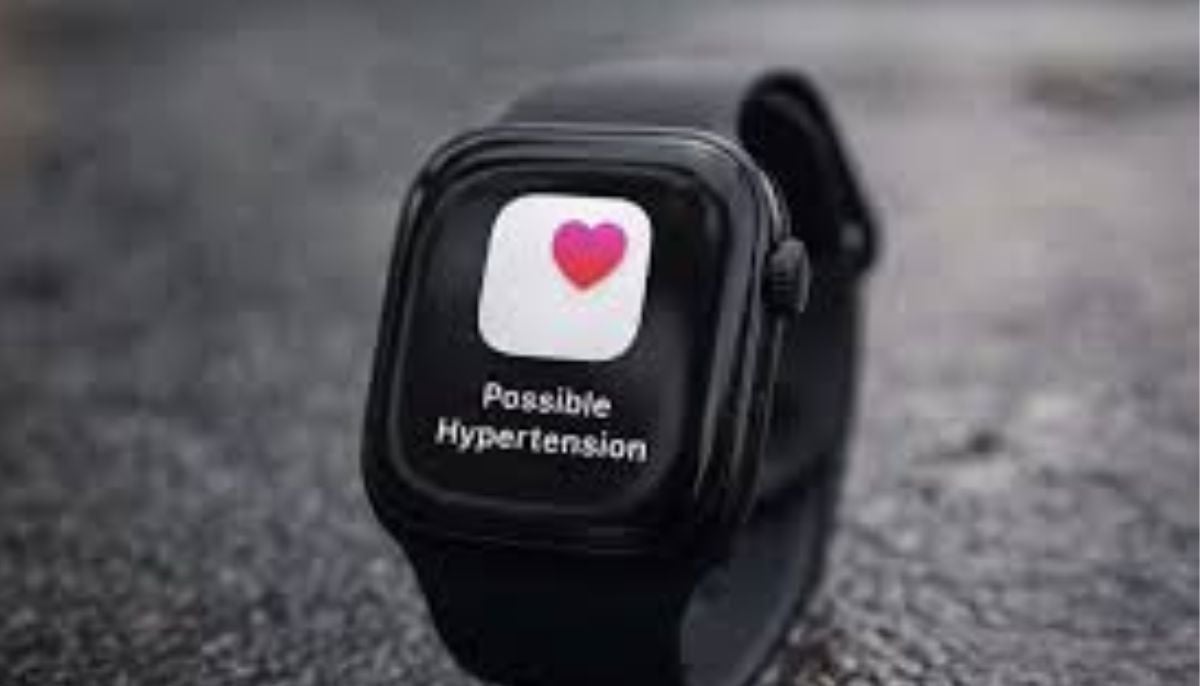
Apple has officially expanded its hypertension notifications feature to several new major markets, including Australia , aiming to alert users to signs of chronic high blood pressure. Hypertension is the leading modifiable risk factor for heart attack, stroke and kidney diseases. It often goes undiagnosed because it frequently has no symptoms, even during a clinical visit, it can be missed by a single measurement.
How Hypertension notifications on Apple Watch actually work
Hypertension notifications on Apple Watch use data from the optical health sensor to scrutinize how a user’s blood vessels respond to the beats of the heart. The algorithm will monitor in the background reviewing data after 30-day periods. It will help to detect constant signs of hypertension.
Hypertension notifications on Apple watch use data from the optical heart censor to scrutinize how a user’s blood vessels respond to each heartbeat. The algorithm monitors in the background, reviewing data over 30-day periods to detect consistent signs of hypertension. The modifications are scientifically validated; the feature was developed using advancements in machine learning and training data from over 10,000 participants. Its performance was rigorously analysed in a clinical study of over 2,000 participants.
Commenting on the launch, Professor Garry Jennings, chief medical advisor at the Australian Heart Foundation said: “Hypertension awareness in Australia is far too low, so we welcome new technologies that alert people that they might have hypertension and should seek confirmation from their doctor.”
Upon receiving a notification, users are further recommended to record their blood pressure for seven days using a third-party blood pressure cuff and share the results with their healthcare provider. This is in line with consistent guidelines for the diagnosis and management of hypertension.






-
 Quantum computing threat: Why global cybersecurity could collapse soon
 -
 AI cyberattacks set to outpace human hackers, experts warn
 -
 Why Google launched the Gemma 4 AI model: Here’s everything to know
 -
 Microsoft to power Japan’s AI future with massive $10B investment
 -
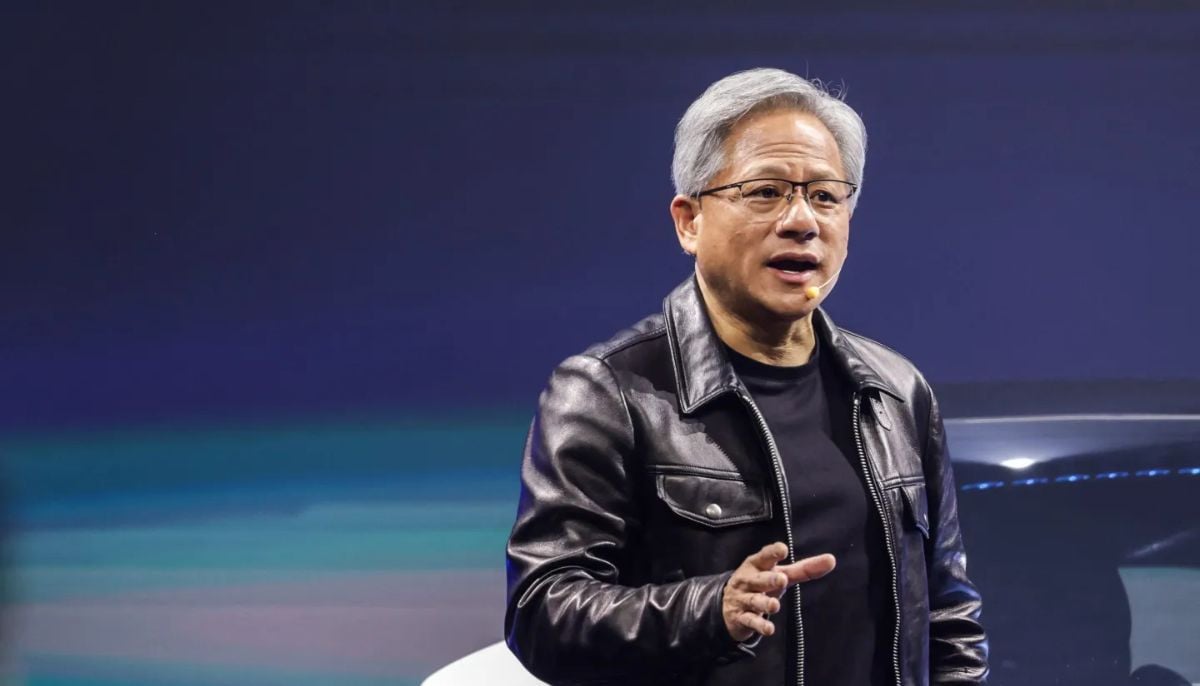 AI won’t replace jobs, it will evolve them, says Nvidia CEO
 -
 From human to machine: 15% of American accept AI in leadership roles
 -
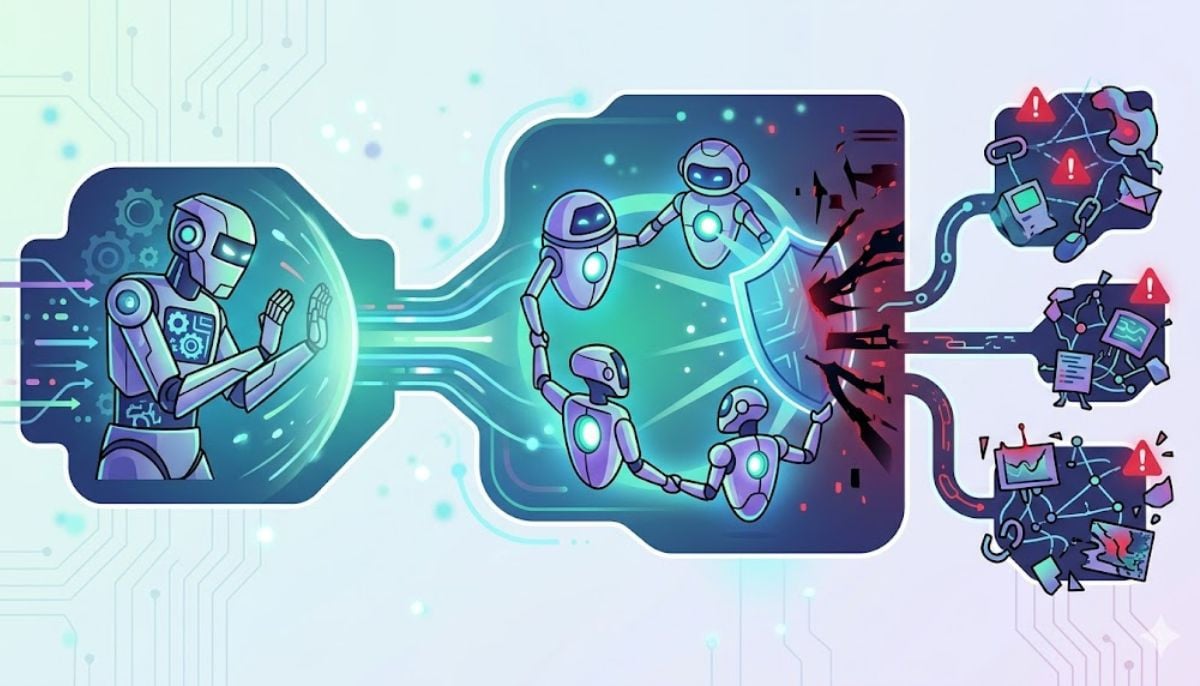 From AI self-preservation to ‘peer preservation’: New study raises alarm over hidden risks
 -
 OpenAI caught funding child AI group without disclosure
-
 New AI tool targets extremism, redirects ChatGPT users to real-world help
 -
Has X disabled the ability to copy video links?
-
Experts call on Google to ban Youtube AI videos for kids
-
Apple turns 50: Tim Cook reflects on five decades of impact
-
Perplexity AI accused of exposing sensitive user data
-
Anthropic Claude AI source code leak: ‘Human error’ sparks security concerns
-
Why women fall behind in AI use, former Meta COO explains
-
AI agents or malware? Experts reveal shocking hidden dangers
-
Australia probes Meta, TikTok & YouTube over social media ban violations
-
Starcloud hits $1.1bn valuation to build space data centres