Latest studies reveal link between hobbies and dementia
Research studied the link between an individual's hobbies and their mental health
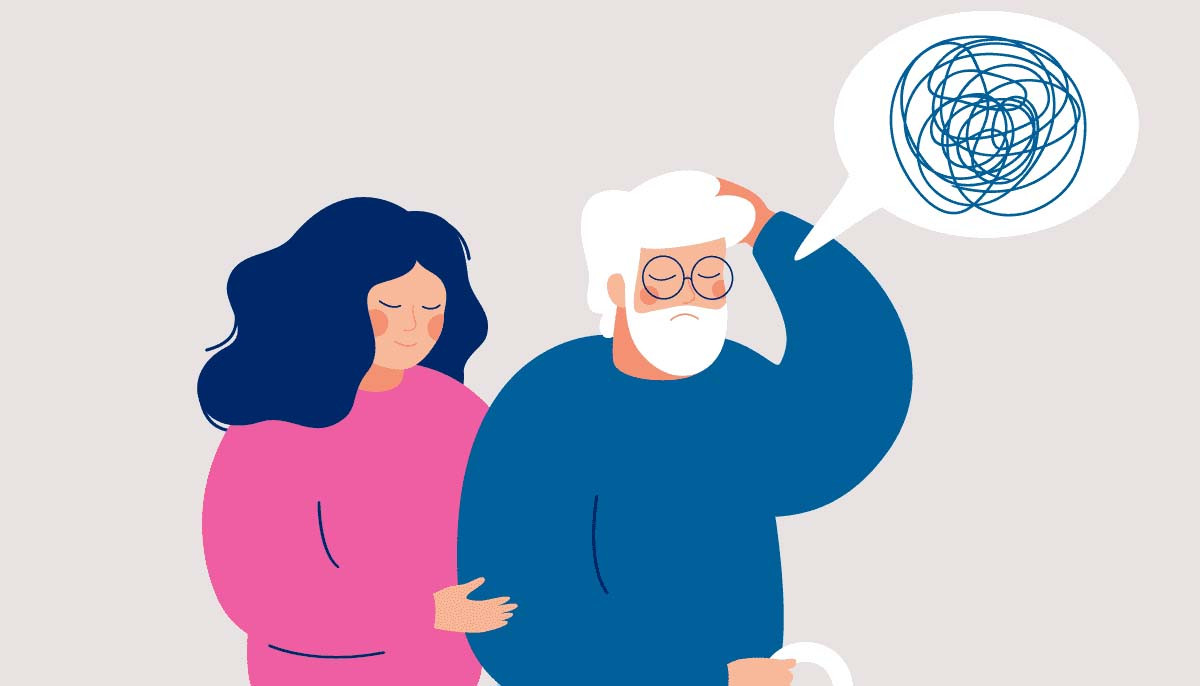
A person has many ways to escape the real world after a busy day.
Whether it's binge-watching the latest television series or reading a good book. However, scientists warn that your daily habits may have a more significant impact than you realise, especially when it comes to brain health.
A recent study conducted by the University of South Australia examined the typical activities of 397 older adults over 24-hour periods.
Researchers aimed to understand how various everyday tasks could contribute to cognitive decline and dementia risk factors.
The findings brought encouraging news for avid readers and those who enjoy socialising, as reading, crafting, conversation, listening to music and even prayer were found to benefit brain health.
However, playing video games and watching TV for long hours could be harmful, according to the research.
Dr Maddison Mellow, who led the study said: "We found that sedentary behaviours which promote mental stimulation or social engagement, such as reading or talking with friends, are beneficial for cognitive function, whereas others like watching TV or gaming have a negative effect. So, the type of activity is important.”
"And, while the 'move more, sit less' message certainly holds true for cardiometabolic and brain health, our research shows that a more nuanced approach is needed when it comes to thinking about the link between sedentary behaviours and cognitive function,” she added.
Dementia includes a range of symptoms associated with the progressive deterioration of brain function, as defined by the NHS.
Currently almost a million people across the UK are living with dementia, approximately one in 11 people aged over 65.
Ahead of the festive season, Dr Mellow explained: "To achieve the best brain health and physical health benefits, you should prioritise movement that's enjoyable and gets the heart rate up, as this has benefits for all aspects of health. But even small five-minute time swaps can have benefits.”
"So, if you're dead set on having a Christmas movie marathon, try to break up that time with some physical activity or a more cognitively engaged seated activity, like reading, at some point. That way you can slowly build up healthier habits,” she concluded over dementia.



-
 PCOS renamed PMOS: What new diagnosis means for millions of women’s health
 -
 Endometriosis linked to small increase in birth defect risk in Canadian study
 -
 Health Canada issues safety warning over baby self-feeding products sold on Amazon
 -
 Do psychopaths and others have same brain structure? Scientists reveal shocking details
 -
 Cruise ship Hantavirus outbreak leaves 3 dead, more infected
 -
 43 hair products tested: Researchers find cancer-linked chemicals in braiding hair
 -
 Study reveals how brain tells you to stop scratching
 -
 Hantavirus outbreak: MV Hondius reaches Tenerife for ‘unprecedented’ evacuation