'Junk DNA' leads to amazing breakthrough for Alzheimer's cure
Researchers have discovered that 'junk DNA' could be useful in treating certain diseases
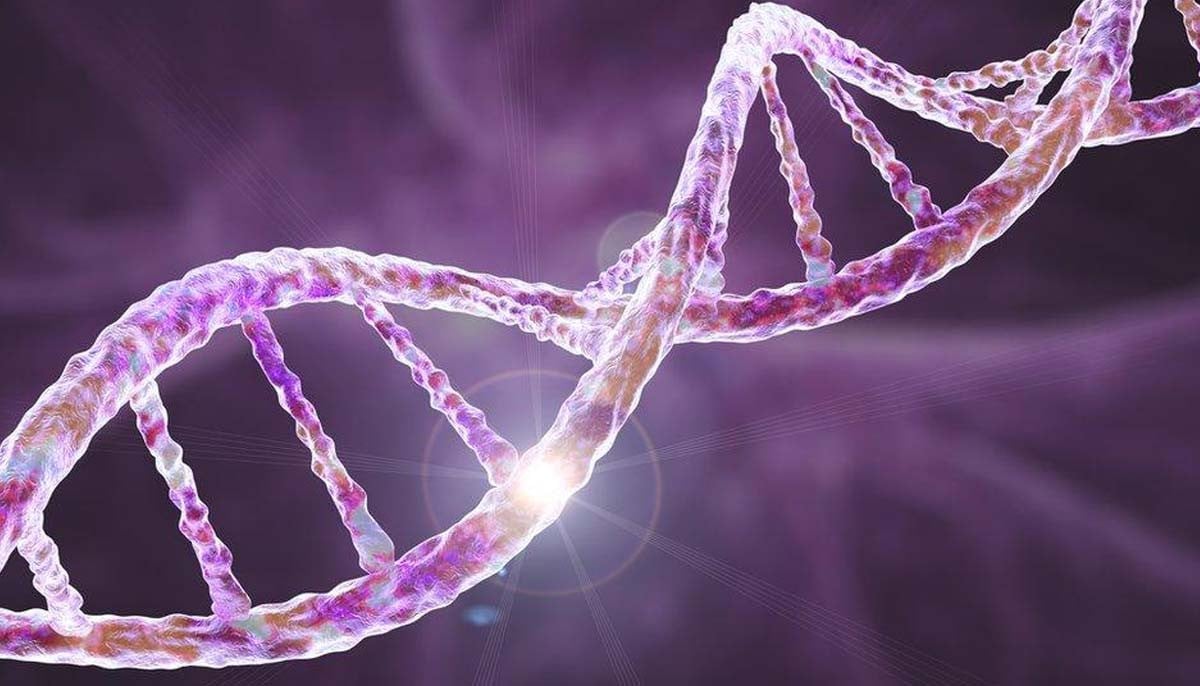
Here’s a fun fact about your DNA, only 2% of it contains actual genes!
The rest of the 98%, which is often referred to as “junk DNA” was long thought to do nothing essential.
But scientists now know that much of this DNA contains special sections called enhancers, which are like switches that turn genes on and off, and they may play a key role in how our cells work.
Now, researchers at UNSW Sydney have discovered a group of these switches that help control how brain cells called astrocytes work.
Astrocytes are support cells in the brain that help neurons and are linked to diseases like Alzheimer’s.
Research published in the journal Nature Neuroscience states that a team studied nearly 1,000 of these DNA switches, or enhancers, in human astrocytes grown in a lab.
They used a powerful tool called CRISPRi, which can turn off tiny pieces of DNA without cutting them, and combined it with single-cell RNA sequencing, a method that measures gene activity in each cell. This helped them figure out which switches actually control important genes.
The lead author, Dr. Nicole Green, explained that when they turned off some of these enhancers, they saw a difference in how genes behaved. That’s how they knew they had found real, working gene switches.
Out of the 1,000 tested, about 150 turned out to be functional. Many of these were found to control genes involved in Alzheimer’s disease.
These 150 enhancers give scientists a much smaller and more focused set of places to look when trying to understand the genetics behind Alzheimer’s.
Professor Irina Voineagu, who led the project, said that the findings are helpful not just for Alzheimer’s but also for other diseases.
When scientists search for the genetic causes of diseases like diabetes, heart disease, or mental health disorders, the changes they find in DNA are often in those “in-between” parts, not directly inside genes. The new list of real enhancers in brain cells can help explain what those DNA changes actually do.
Another exciting possibility is using this research in future treatments. Since different enhancers work in different cell types, it may one day be possible to control genes only in certain brain cells, like astrocytes, without affecting others leading to precise therapies.



-
 Rabies concerns grow in US, sparking health warnings over fatal virus
 -
 This popular cooking garnish may offer surprising benefits for brain health
 -
 Was the human brain once two separate organs? Scientists find new clues
 -
 Novo Nordisk partners with Anthropic to accelerate AI-powered drug discovery
 -
 Congo Ebola outbreak reaches turning point as daily infections fall
 -
 Study reveals why some babies are born with heart defects
 -
 Third measles-associated death reported as Pennsylvania outbreak reaches 676 cases
 -
 Cyclosporiasis outbreak: US officially ends largest outbreak linked to contaminated lettuce
-
 Hot beverages increase risk of cancer? New research provides in-dept details
 -
Highest-level recall issued for potato chips over banned ingredient posing death risk
-
Very hot tea and coffee could triple cancer risk, Oxford study warns
-
Global study reveals nearly 1.7 million deaths linked to second-hand smoke exposure in 2023