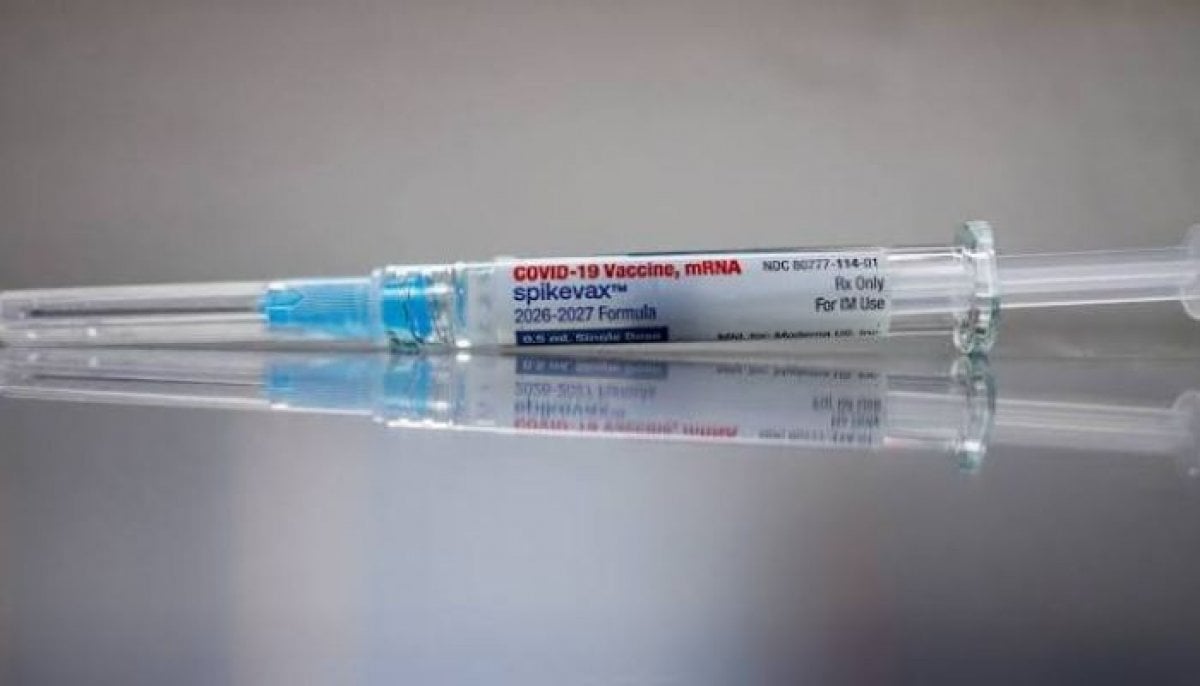
UK launches two clinical trials to study effects of puberty blockers in young people
Major clinical trials have been implemented to scrutinize the impact

The UK has launched two major trials as part of a longer research program to rigorously investigate the impact of puberty blockers in young people with gender dysphoria.
Puberty blockers were commonly used to treat precocious puberty but have also been used off-label in children.
However, England specifically announced children with gender dysphoria would no longer be able to receive puberty blockers as part of their routine.
Researchers were of the view that new studies help to explore a wider “ Pathways" program to analyse the impact of these drugs among people.
The Pathways Trial aims to recruit an estimated 226 young people over the next three years.
Participants will be randomized to start puberty blockers or delay them , receiving an extensive package of care and support.
In all this process, wellbeing and development will be meticulously monitored for 24 months, with each participant being reviewed individually in line with the clinical trials.
In this connection, the health director for the advocacy group TransActual, Chay Brown said, “Worse, the fact that it is a randomized controlled trial which means leaving some of the young people waiting an extra year for puberty suppression, is not a neutral act.”
The UK is moving away from the conventional model towards the use of puberty blockers while establishing a controlled research framework to access the treatments.
Additionally, Emily Simonoff, a professor of child and adolescent psychiatry at King’s College London said, “We might want to argue that puberty suppression should never have been made available to young people outside of a clinical trial some 10 or 15 years ago, and the most ethical thing would have been to do a trial at that point in time.”


-
 Sexually transmitted diarrhea spread in US, UK: Why antibiotics are failing against Shigella
 -
 Who is Song Li? China puts her forward for WHO leadership role
 -
 CDC monitors travelers from Siberia after plague worker’s death, director says
 -
 Russia pushes back on plague death reports, defends WHO notification
 -
 WHO deems Russia plague risk 'low' following lab technician’s fatal illness
 -
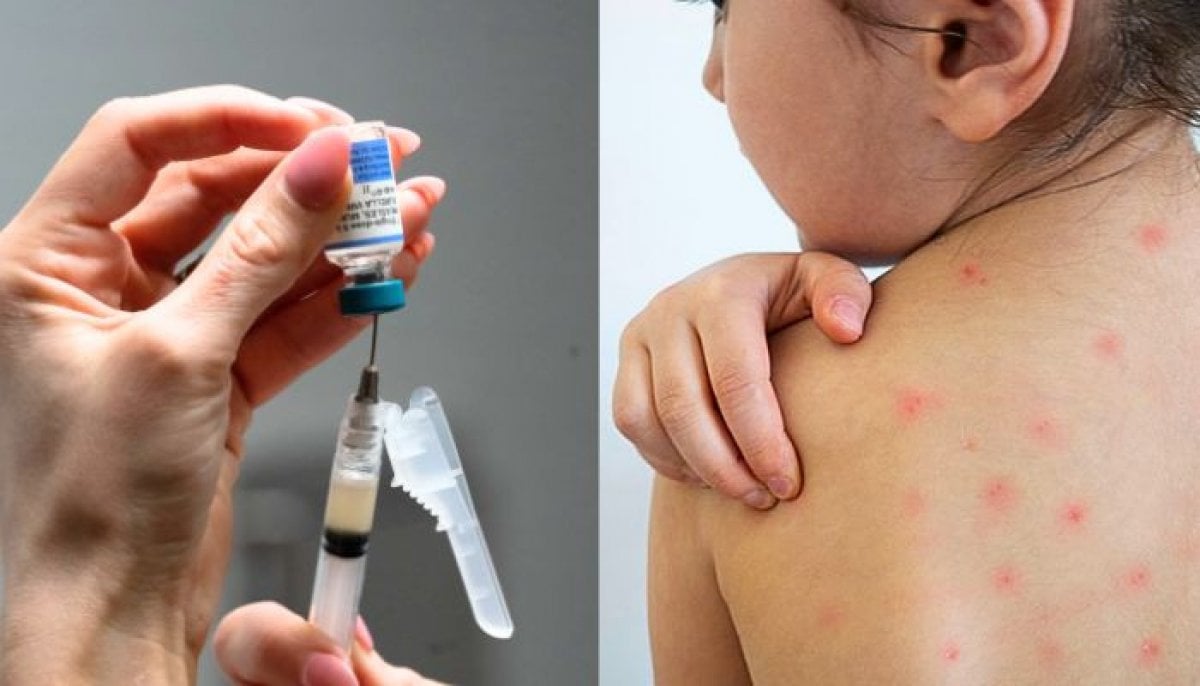 New York declares Measles state of emergency amid nationwide disease resurgence
 -
 First-of-its-kind treatment shrinks unborn baby’s tumour before birth
 -
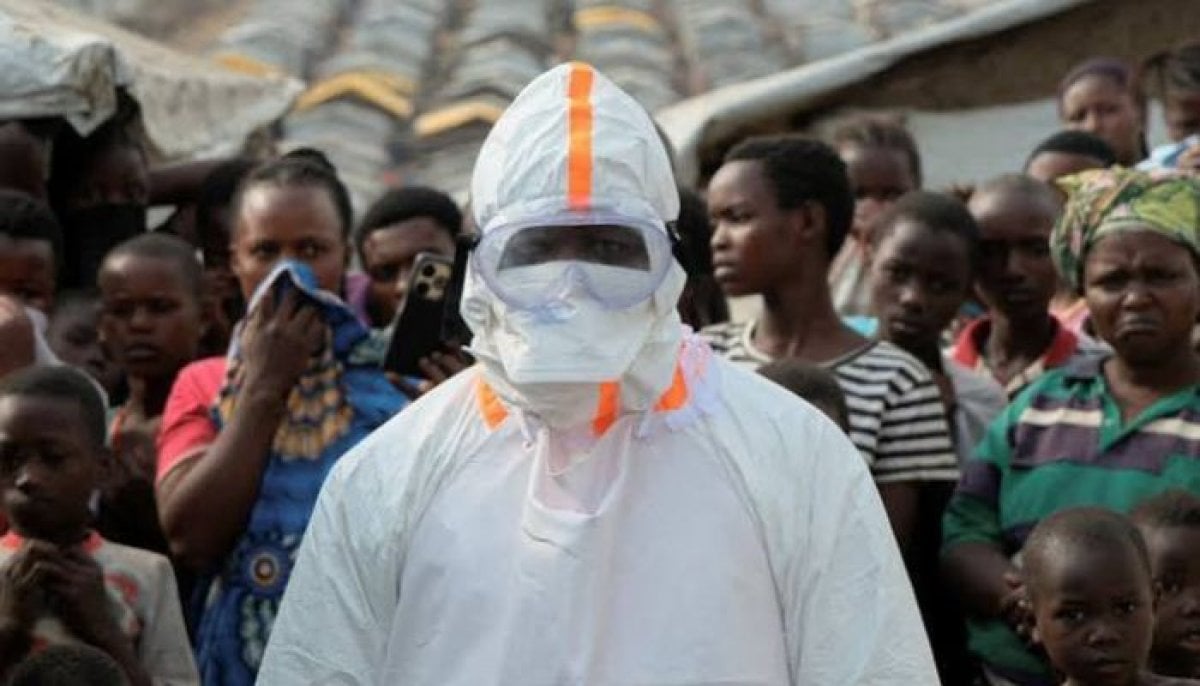 France steps up Ebola support in Congo as fears of resurgence grow