China’s open-source AI models gain traction in Silicon Valley adoption
China AI models are getting praise from predominant tech leaders
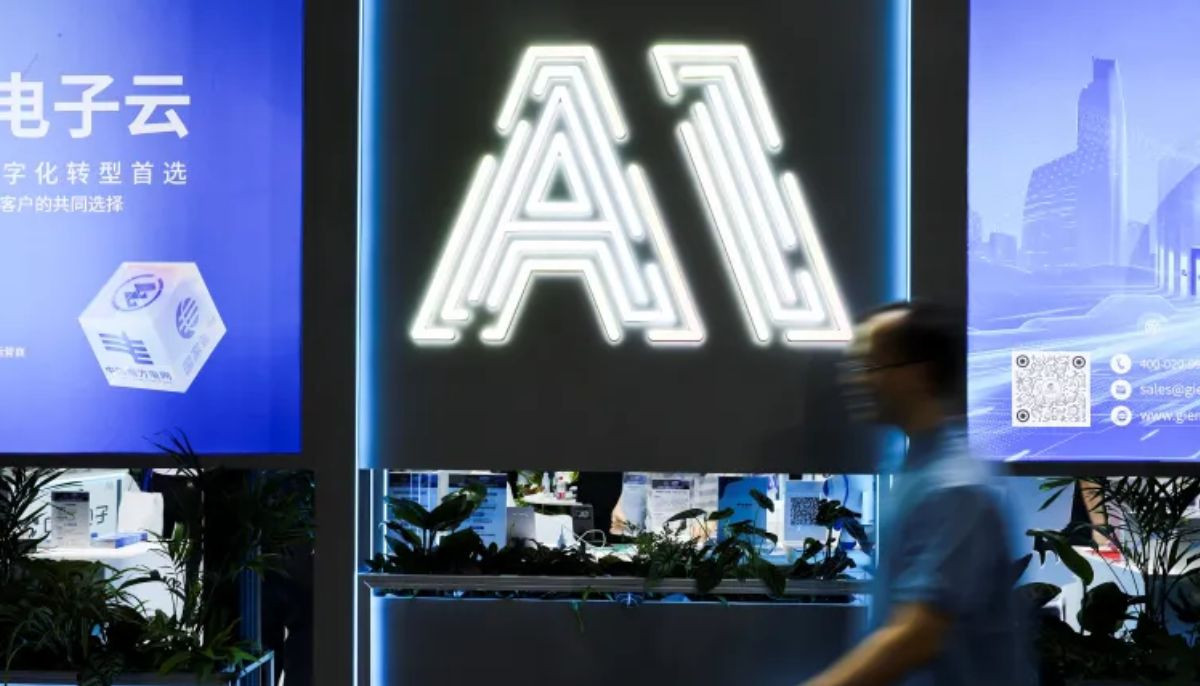
China's AI model is predominantly gaining attraction in Silicon Valley and becoming fundamental to the operations of American companies and earning the appreciation of a growing list of tech leaders.
The swift ascent has underscored the competitive edge that Chinese developers such as Alibaba, Moonshot, and MiniMax have been able to gain by offering their open -weight models at much lower costs than their rivals in the United States.
According to the data shared by OpenRouter, Chinese AI tools including MiniMax’s M2, Z.ai’s GLM 4.6 and DeepSeek’s V3.2 secured seven spots among the 20 models with the most usage last week.
It has been observed that 10 models were used for programming, and four of them were developed by Chinese firms.
Keeping in view the Atom Project analysis of data from hosting platform Hugging face, China’s clear lead is apparent with aggregated downloads surpassing 540 million as of October.
The founder of Tech Buzz China, Rui Ma said that Chinese models are specifically fascinating to emerging businesses, while “high-resource organizations” have inclined towards premium US models.
In this connection, Greg Slabaugh, a professor who studies AI at Queen Mary University of London told Al Jazeera, “I do think China’s AI progress has been underestimated, partly because the signal is fragmented.”
He further explained, “Much of the uptake of Chinese models is in China. China’s scale in AI publications and patents has long been visible; the emergence of open-weight models simply makes that capability more globally consumable.”
According to analysts, Chinese AI models have gained ground with their low cost, and US tech giants are in a strong position to surpass the high-end market and heavily governed sectors where national security is crucial.
The advancement of AI could end up following a similar approach to the Android and iPhone platforms, which have about three times as many users globally.
It is expected that AI might follow similar economic dynamics, as there are more users in the world who make cost a priority than those who choose premium options.
No doubt, China’s AI models are retaining their positions with superior performance and economical costs and are supremely challenging the status quo of the U.S. AI industry and provoking Silicon Valley giants to revisit their development strategies.
Additionally, the Queen Mary University of London professor, Slabaugh, referring to the adoption of Chinese models said, “In Fortune 500 and regulated sectors, widespread adoption is probably not imminent.”


-
 Michael Douglas makes ‘painful’ confession about early acting days
 -
 Jeremy Allen White ready for Gene Wilder role?
 -
 Andrew Garfield turned against ChatGPT after playing Sam Altman
 -
 Dua Lipa interview about children and Callum Turner is fake
 -
 Olivia Rodrigo wishes for normal life amid frustration over dating rumours
 -
 ‘The Social Network’ screenwriter reveals why he made another movie about Facebook
 -
 Marco Rubio to issue urgent warning on the future of Western civilization
 -
 Thailand-US trade deal nears completion: What to know